
Coffee Geography Magazine is a Coffee portal with highly informative, upbeat and inspirational articles for people who are in the coffee industry.
We are committed to the success and growth of the global coffee industry.
CGM provides up to the minute data to the market makers.
Chief Editor



Monitoring Coffee Futures and the Driving Factors
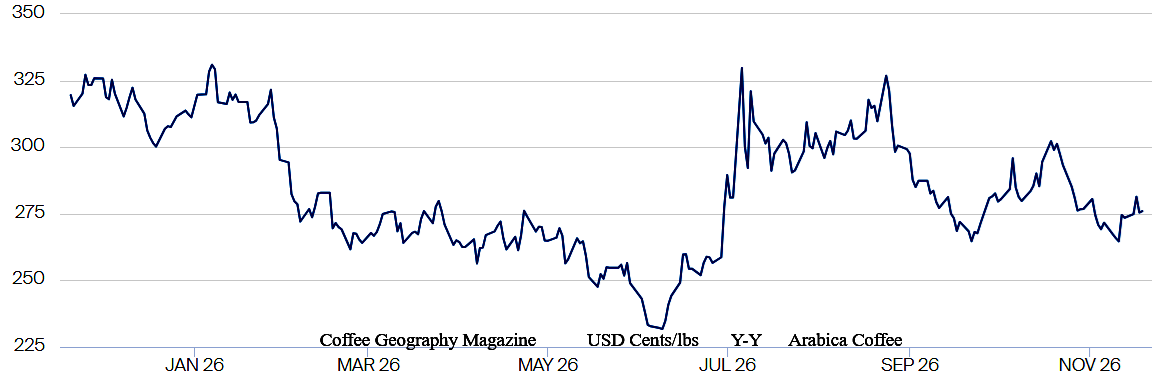
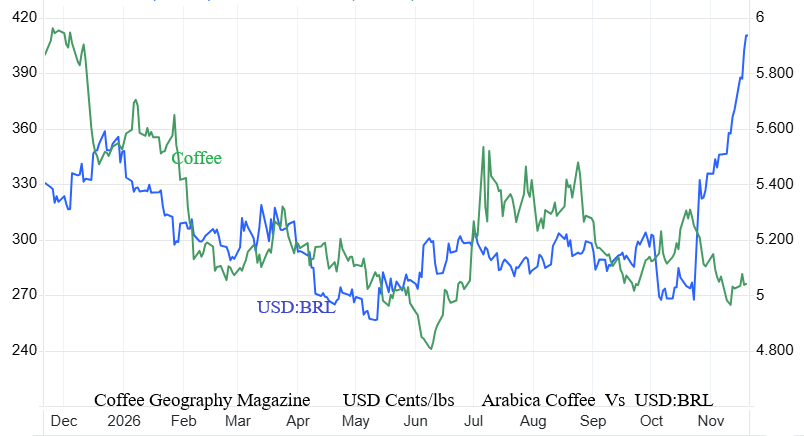
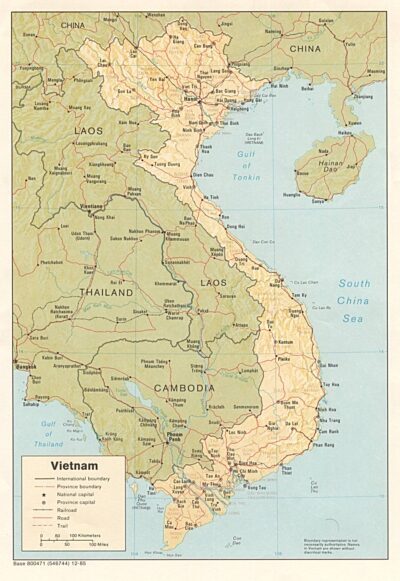
Coffee prices ended mixed on Thursday, November 19, with robusta falling to a 2.75-year low while arabica erased early losses and turned higher. Arabica drew support after the USDA’s Foreign Agricultural Service cut its 2026/27 Colombia coffee export forecast to 11.5 million bags, 6% below the May estimate of 12.2 million bags. Colombia is the world’s second-largest arabica producer. Robusta remained under pressure from improving supply prospects after the Vietnam Coffee and Cocoa Association projected on Monday that Vietnam’s 2026/27 robusta output would rise 5% year over year to 2.1 million metric tons. Vietnam is the world’s largest robusta producer. Arabica initially fell Thursday on expectations of larger global supplies from Brazil. ICE reported that 248,175 bags of Brazilian coffee were awaiting grading at its warehouses, the highest in 3.75 years, and the Brazilian real (USD:BRL) tumbled to a 19-month low against the dollar. Arabica had also fallen to a five-month low last Thursday amid expectations that Brazilian coffee exports would increase. Although Brazilian coffee has arrived rapidly at ICE warehouses since mid-September—pushing ICE’s Brazilian coffee inventory to a 14.25-month high of 112,682 bags last Wednesday—much of it has not yet entered ICE-certified stocks because grading can take one to two weeks or longer when volumes are high. ICE arabica inventories have declined over the past eight months and fell to a 27-year low of 186,414 bags on Monday, a bullish factor for prices. By contrast, ICE robusta inventories have climbed sharply since early October, reaching a 1.25-year high of 6,809 lots on October 29.....
































































































Coffee Geography Magazine