Ethiopia Mobilizes Millions to Cultivate Its Sacred Coffee Forests
August 12 - 2026
Coffee Geography Magazine
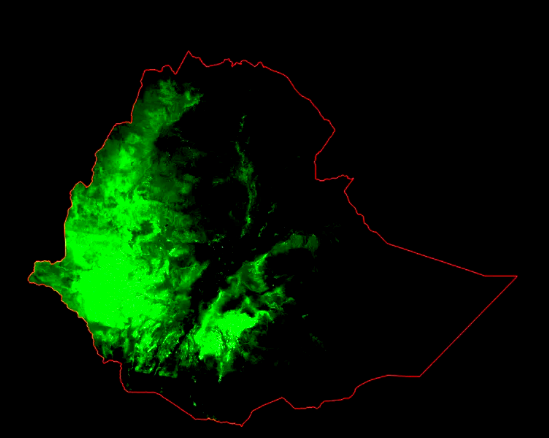
As the seasonal heavy rains drench the rugged Ethiopian highlands, a massive ecological and economic mobilization is unfolding across the nation. In a country globally revered as the genetic birthplace of Arabica coffee, the act of planting a tree has transcended traditional forestry to become a defining national culture. Every rainy season, Ethiopia orchestrates a monumental public campaign that brings together over 100 million of its citizens to plant billions of seedlings, with a critical share of this green movement dedicated specifically to reinforcing the country’s vital coffee forest ecosystems.
At the heart of this synchronized national push are the country's 15 million coffee family members and smallholder farmers. For these agrarian communities, coffee farming is not merely a commercial trade but a generational responsibility deeply tied to the land. Unlike traditional mono-cropped plantations found elsewhere in the world, the vast majority of Ethiopia’s premium coffee grows under the protective canopy of native shade forests. This deliberate agroforestry model requires double the labor: farmers must continuously care for the delicate coffee trees while simultaneously planting and sustaining the towering indigenous forest trees that filter sunlight, retain soil moisture, and shield the coffee crops from extreme climate shifts.
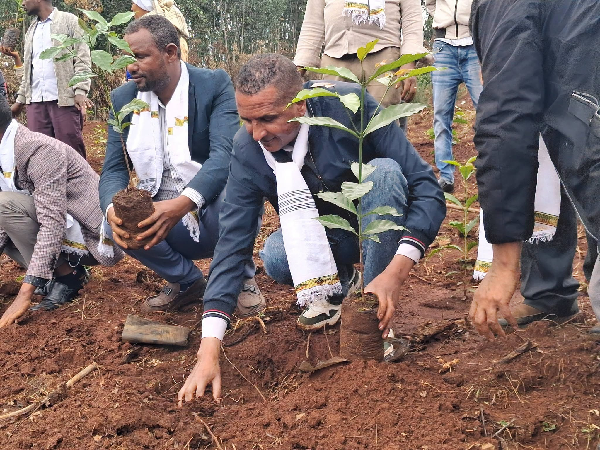
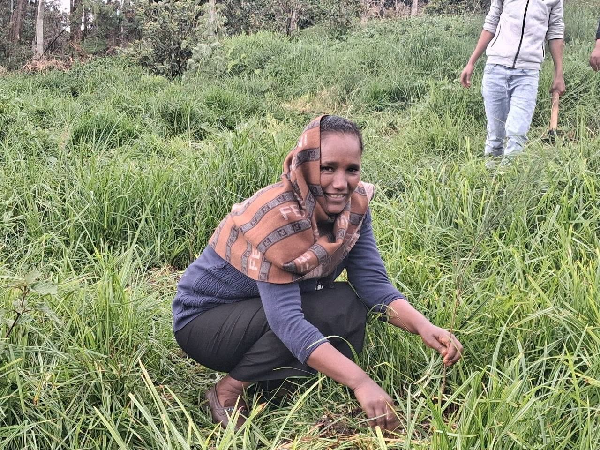
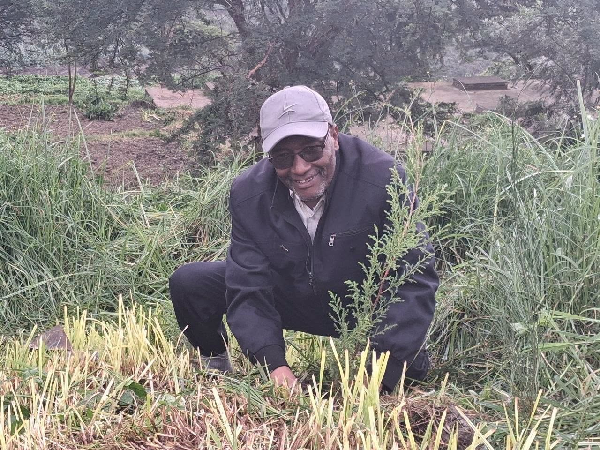
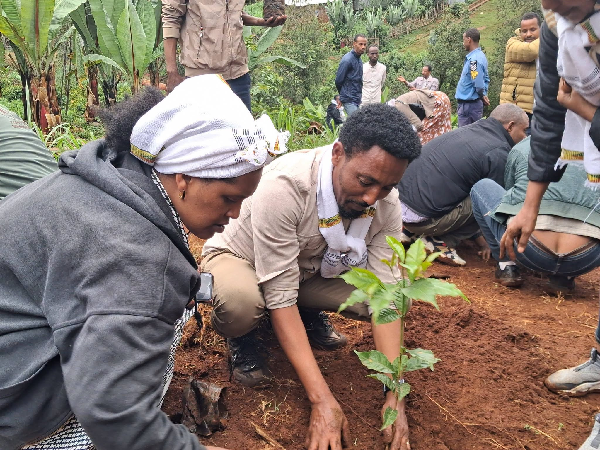
This localized community dedication is guided and scaled by the strategic oversight of the Ethiopian Coffee and Tea Authority (ECTA). As the principal government body managing the sector, the ECTA has implemented extensive structural and agricultural reforms to transform this seasonal culture into a highly organized engine of sustainable development. Under the leadership of ECTA Director General Dr. Adugna Debela, the authority has rolled out comprehensive packages providing farmers with high-yielding, disease-resistant, and climate-resilient hybrid varieties to replace aging, less productive trees.
The macroeconomic stakes of this forestation movement are immense for the Horn of Africa's largest economy. Ethiopia’s coffee sector already accounts for a major share of national export earnings, generating over $3 billion in revenue during recent fiscal years. However, the ECTA’s new national productivity framework aims to leverage the current mass planting movements to increase average yields from 900 kilograms per hectare to 2,100 kilograms per hectare. By executing these systematic agricultural enhancements over the next few years, the authority plans to double the country's baseline performance, targeting an ambitious $6 billion annual coffee export revenue goal.
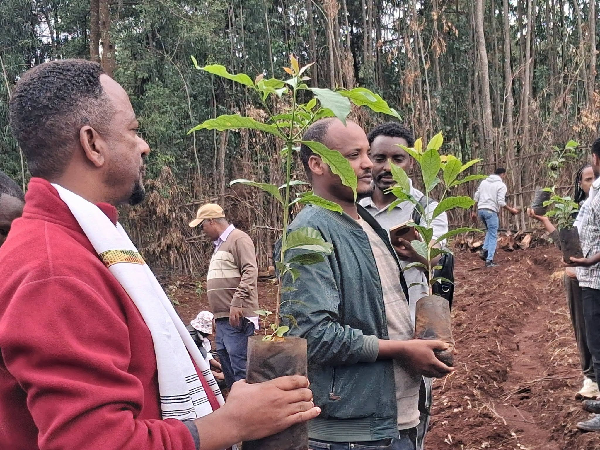
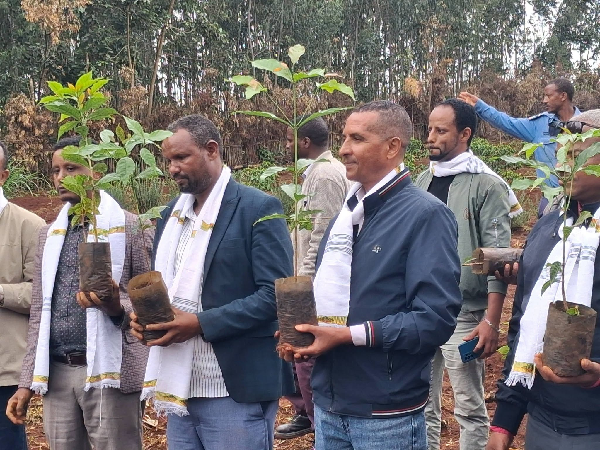

This target is heavily supported by the broader national green development agenda. Since the inception of the flagship Green Legacy Initiative in 2019, Ethiopia has successfully planted over 48 billion seedlings nationwide, systematically driving the country’s total forest coverage up from 17.2% to over 23%. The 2026 campaign cycle, which targets an additional 8 billion saplings under the theme “Let us plant hope,” places a major structural emphasis on integrating agroforestry crops like coffee and fruit-bearing trees to directly secure rural livelihoods and food sovereignty.








On the ground in premier coffee-producing zones like Jimma, Limu, and Kafa, the impact of this coordinated governance is clear. Regional extension agents from the ECTA work hand-in-hand with local cooperatives and Farmer Field Schools to conduct rigorous practical training. Farmers are trained on specialized seedling nursery preparation, proper microclimate acclimatization, and post-planting management to ensure that high sapling survival rates are maintained long after the rainy season subsides.
By intertwining public volunteerism, smallholder empowerment, and rigorous institutional planning, Ethiopia is demonstrating a viable global model for nature-based climate action. The country's expanding green canopy stands as a testament to what can be achieved when an entire population is mobilized to safeguard both their environment and their most valuable economic heritage.