HUEHUETENANGO Guatemala Coffee

The Huehuetenango region of northern Guatemala is renowned for producing some of the country's most distinguished coffees—often considered the best in Guatemala. Unlike many other Central American growing regions, Huehuetenango benefits from a unique microclimate: hot, dry winds (known locally as viento caliente) sweep up from the Mexican plains of Tehuantepec, protecting the high-altitude farms from frost and allowing cultivation at extreme elevations without damage. This combination of altitude, isolation, and indigenous farming knowledge yields a coffee of remarkable complexity.
Flavor & Sensory Profile
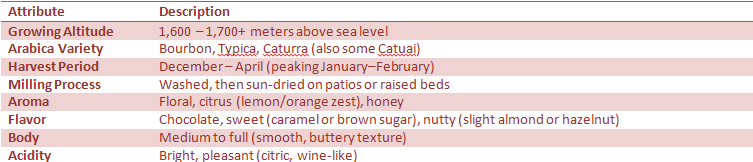
With a taste that is subtle and mild yet still complex and interesting, Guatemalan Huehuetenango offers distinctive, delicate fruity notes—often compared to green apple, ripe berries, or stone fruit. While some producers yield a fairly light body, many classic Huehuetenango lots present a fuller, creamier mouthfeel that can be slightly buttery. The cup is framed by a sweet, floral aroma (jasmine or orange blossom) and finishes with a clean, lingering aftertaste that pleasantly coats the palate. Its bright, wine-like acidity is lively but never sharp, making it a favorite among those who appreciate elegance over intensity.
Note on body: Depending on the specific micro-lot and processing method, Huehuetenango can range from light to full-bodied. The table below reflects the most common profile for high-quality exports.
Processing & Certification
The washed process is almost universal in Huehuetenango: cherries are depulped, fermented overnight to break down mucilage, then thoroughly washed and spread on sun-dried patios or raised African beds for 8–15 days. This method highlights the bean's clean, bright characteristics. Due to the consistently high quality, many Huehuetenango coffees carry Organic and Fair Trade certifications, especially from cooperatives in the municipalities of La Libertad, San Pedro Necta, and Todos Santos Cuchumatán.
Roast & Brewing Recommendations
A Light Roast is ideal for showcasing the fruity brightness, floral aroma, and crisp acidity—perfect for pour-over methods like the Hario V60 or Chemex, which accentuate clarity and nuance.
A Dark Roast shifts the profile toward deeper cocoa and bittersweet chocolate notes, along with roasted nuts and a heavier body. This works beautifully in a French press or espresso, where the reduced acidity and bold chocolate flavors shine.
For a balanced approach, a Medium Roast retains some fruit while adding caramel sweetness and rounded body.