
The New Barista: Skills, Service, and the Heart of the Cafe
March 7 - 2026
Coffee Geography Magazine
The role of the barista has evolved dramatically from a simple coffee pourer to a multifaceted professional who is part skilled tradesperson, part customer service expert, and part equipment technician. Understanding what makes a great barista, and how many a busy cafe needs, is key to understanding the specialty coffee industry itself.
For a single, busy cafe, the number of baristas required is not a fixed figure but a dynamic calculation based on customer flow. A good rule of thumb is to staff based on the "rush hour." If a cafe consistently has a line out the door during the morning peak, having three baristas on the bar is often the minimum for efficiency. This typically allows for one person on the espresso machine, one on register and food service, and one dedicated to drink preparation and quality control. During slower periods, this number might drop to two, or even one if the cafe is small. The goal is to balance excellent service speed with sustainable labor costs, ensuring that even during a rush, the quality of the coffee and the experience doesn't suffer.


The skill set required of these baristas is surprisingly deep. Beyond the fundamental ability to pull a perfect shot of espresso and texture milk to a velvety microfoam, a modern barista needs a palate capable of nuanced tasting to ensure every drink meets the cafe's standards. This includes a thorough understanding of the beans they are using, from their origin and roast profile to how these factors change as the coffee ages. Furthermore, as cold coffee has shifted from a seasonal option to a year-round staple, proficiency in cold brew making is no longer optional but essential. A barista must understand the chemistry of cold extraction, how to manage large batches for consistency, and how to properly store and serve cold brew to prevent oxidation and staleness.





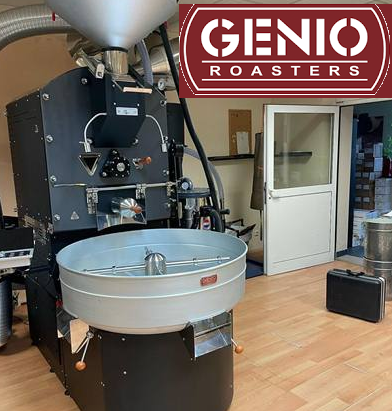


Perhaps one of the most critical and often overlooked skills is the capacity to clean and maintain the coffee machine's internal parts. A barista is the first line of defense against equipment failure. This means knowing how to correctly backflush the espresso machine with cleaning agents daily, how to remove and clean the group heads and portafilters, and how to identify when burrs in the grinder are becoming dull. While a technician is called for major repairs, a barista's diligent maintenance is what keeps the machine running smoothly day after day, ensuring every shot tastes as it should and that the expensive equipment has a long lifespan.
Underpinning all of these technical skills is the most fundamental aspect of the job: serving customers. A barista is the human connection between the farm and the cup. They must be able to read the room, offering a friendly greeting to a regular, patiently explaining the menu to a newcomer, and gracefully handling a complaint. They are responsible for creating the cafe's atmosphere, making each customer feel welcome and valued. This emotional labor, combined with the physical demands of a long shift on their feet and the mental focus required for drink preparation, makes the barista role one of the most challenging and rewarding in the service industry. They are, in the truest sense, the heart of the cafe, blending art, science, and human connection one cup at a time.