Indian Coffee Growers Must Register on New App for EU Exports
August 18 - 2026
Coffee Geography Magazine
To safeguard its access to the lucrative European market, the Coffee Board of India has directed all coffee growers to register on its newly launched digital platform, the “Coffee App.” The mandate aligns with the European Union’s Deforestation Regulation (EUDR), which sets strict environmental requirements for agricultural imports.
Speaking at a conference organized by the Board in Kudumangalore, near Kushalnagar, the Board Chairman, M.J. Dinesh confirmed that Europe remains the single largest destination for Indian coffee. “Forty-five per cent of India’s total coffee production is exported to the European market,” he stated, adding that 29 European coffee-growing nations have jointly backed the EUDR to combat global warming by curbing deforestation linked to crop cultivation.

M.J. Dinesh - Chairman for India Coffee Board
Under the EUDR, importers must provide verifiable evidence that their coffee beans were grown on land free from deforestation after December 31, 2020. India has been provisionally classified as a “low-risk” country, with only about 1% of its coffee exports undergoing global quality checks. However, Mr. Dinesh stressed that compliance is non-negotiable. “By offering this native digital platform, the Coffee Board helps growers bypass private third-party services that charge up to $35 per tonne of exported coffee. A government-backed app also protects our national agricultural data and security,” he explained.
Italy alone accounts for 16% of India’s total coffee shipments, reflecting the deep-rooted commercial ties between the subcontinent and European roasters. The new app will serve as a single-window repository for farm geolocation, planting dates, and land-use history—critical data points required for EUDR certification.
For nearly two centuries, coffee remained a backyard crop, cultivated by local families for personal use. It was not until 1840 that British planters established large-scale commercial estates in the Mysore region, transforming coffee into a commodity. By 1860, India exported over 5,280 tonnes of beans; within a decade, that figure had nearly quintupled to roughly 25,760 tonnes, driven by booming European demand.
The late 19th century brought devastation in the form of coffee leaf rust, a fungal disease that wiped out vast tracts of Arabica plantations. Many devastated estates were converted to tea, reshaping South India’s plantation economy. In response, the British colonial government enacted the Coffee VII Act of 1942, creating the Coffee Board of India to regulate exports, stabilize prices, and protect smallholder interests—a mandate that continues today.







Post-independence, India rebuilt its coffee sector with remarkable resilience. Production grew from roughly 69,000 tonnes in 1971–72 to 120,000 tonnes by the end of the decade. The 1980s saw a 4.6% annual growth, followed by a 30% surge in the 1990s, driven by expanding cultivation in non-traditional states like Andhra Pradesh, Odisha, and the northeastern hills.
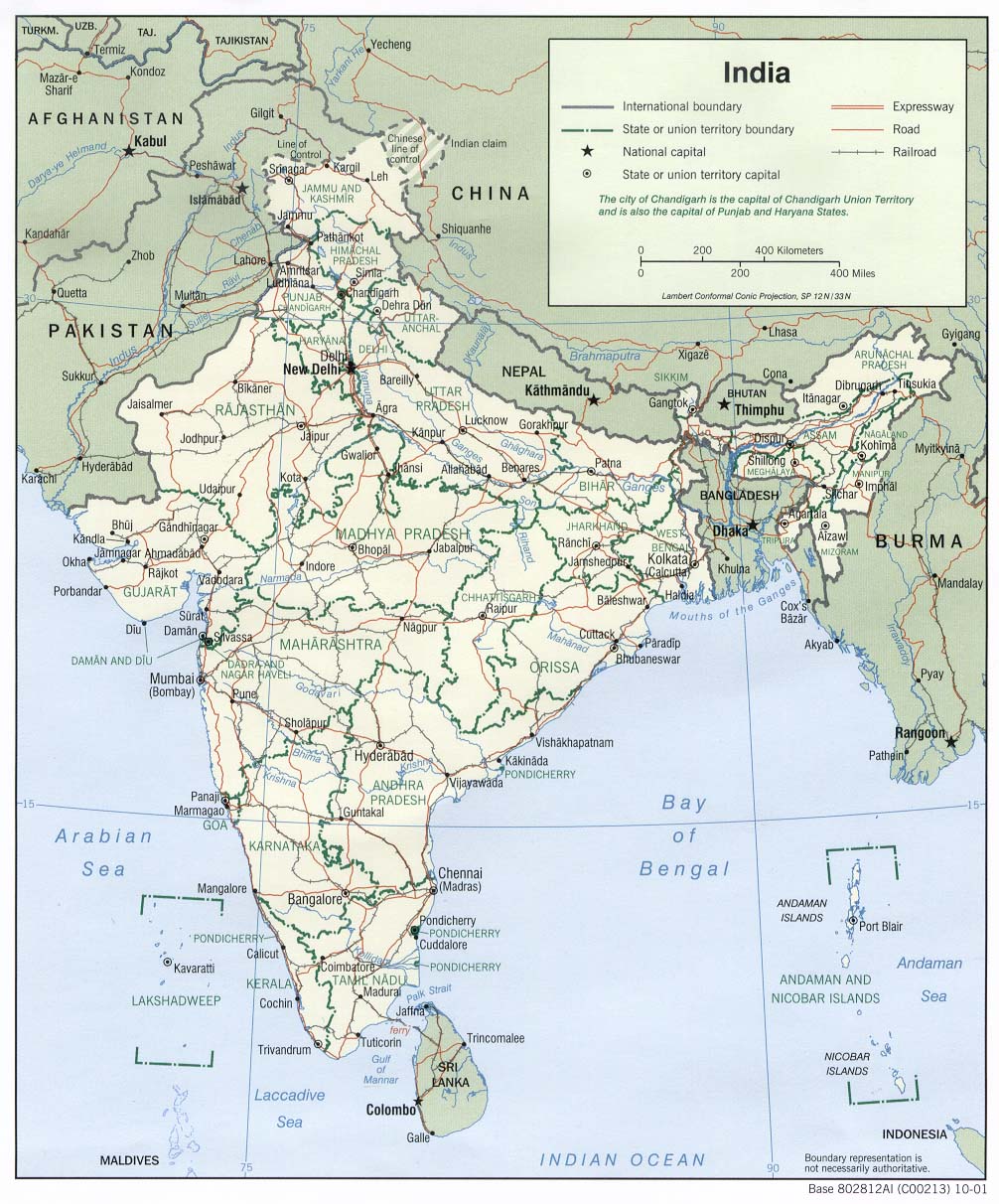
Today, India cultivates coffee across nearly 490,000 hectares, with annual output hovering around 363,000 tonnes. The crop thrives in the biodiverse Western Ghats—a UNESCO World Heritage site—spanning Karnataka, Kerala, and Tamil Nadu. Remarkably, 98% of India’s 250,000 coffee growers are smallholders, many practicing shade-grown coffee under native forests, a traditional method that preserves bird habitats and soil health. India also uniquely produces monsooned coffee, a specialty bean aged in coastal warehouses to mimic the flavor of old-world Java, prized by European connoisseurs.
With the EUDR compliance deadline approaching, the Coffee App is seen as both a shield and a stepping stone. Dinesh reaffirmed that India’s low-risk status gives it a competitive edge, but proactive registration will ensure uninterrupted trade.