
European Coffee Federation Updates Jute Bag Safety Standard, Closing 25-Year Gap in Food-Contact Controls
June 23 - 2026
Coffee Geography Magazine
The European Coffee Federation (ECF) has released a new Industry Specification for jute bags used in coffee supply chains, replacing the long-standing IJO98/01 standard that has governed production since 1998. The move follows research with improved analytical methods showing the previous proxy-based criteria failed to adequately control mineral oil aromatic hydrocarbon (MOAH) contamination, a known food safety concern.
The specification sets direct limits for MOSH and MOAH, along with organoleptic criteria, and mandates that all substances applied during production — including batching oils, emulsifiers, lubricants and printing inks — be food-grade and safe for food-contact use. Standardized sampling and testing procedures are aligned with EU Joint Research Centre analytical guidelines, and the document introduces contamination control and segregation requirements across the entire production and handling chain.
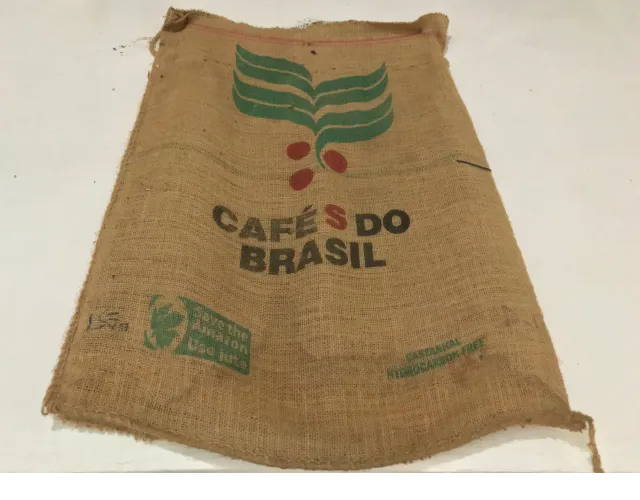
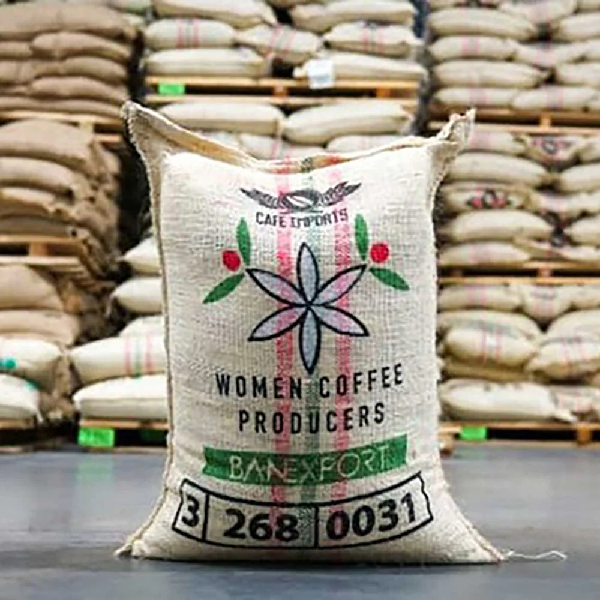
While the chemical migration limits were derived from studies on a cocoa matrix, the ECF positions the standard as a solid preliminary reference for coffee. The federation points to structural similarities between the two supply chains and the absence of coffee-specific maximum limits in upcoming EU regulation. Applying the specification, it says, provides assurance that Good Manufacturing Practices are followed for jute intended to come into contact with coffee.
The ECF represents around 90% of all coffee imported and processed in the EU. Its 16 national associations and 48 company members span green coffee traders, roasters, soluble coffee manufacturers, decaffeinators and warehousekeepers — collectively handling an estimated 2.7 million tonnes of coffee annually, equivalent to around 40 million 60 kg bags.








Jute bags have been the backbone of green coffee transport for more than a century. Made from the bast fibres of the jute plant—primarily grown in Bangladesh and India—they are strong, breathable, and biodegradable. The standard 60 kg or 70 kg jute sack is instantly recognisable along the entire coffee journey, from remote washing stations and cooperatives to the warehouses of Europe’s largest roasters.
The material’s natural properties are well suited to shipping green coffee. The open weave allows beans to “breathe”, which helps stabilise moisture content and prevents mould during the weeks or months spent in transit and storage. Jute is also inexpensive compared to most synthetic alternatives, and its long fibres give bags the mechanical strength to withstand repeated handling—stacking, tossing, hooking by stevedores—without bursting. At the same time, the bags are light enough that they add minimal tare weight to consignments.