USDA Brazil's 2026/27 Outlook: Coffee Harvest Poised for Record Rebound, But El Niño Clouds Horizon
June 5 - 2026
Coffee Geography Magazine
After five years of disappointing yields, Brazil's coffee sector is anticipating a record-shattering 2026/27 harvest, driven by favorable weather conditions and the natural biennial production cycle. Yet exporters and producers remain on edge, as low global stocks and the looming threat of an El Niño event cast uncertainty over the market, according to the annual USDA report.
The 2026/27 coffee harvest, which began slowly in April and gained momentum by mid-May, is expected to deliver exceptional results. The U.S. Department of Agriculture's Post estimates total Brazilian coffee production for marketing year 2026/27 (July-June) at 71.9 million 60-kilogram bags – a 14 percent increase from the 63 million bags estimated for 2025/26.
This optimistic forecast is shared by Brazil's official agencies, though with slightly more conservative figures. The National Supply Company (CONAB) projects production at 66.7 million bags, an 18 percent increase over 2025, while the Brazilian Institute of Geography and Statistics (IBGE) forecasts 65.1 million bags, a 15 percent rise.
The turnaround is most dramatic for arabica coffee, which has underperformed for half a decade due to adverse weather. For 2026/27, arabica production is forecast to reach 47.5 million bags according to USDA – a 25 percent jump from the previous cycle.
CONAB similarly projects arabica at 45.7 million bags (a 28 percent gain), while IBGE estimates 44 million bags (up 20 percent).
The rebound stems from multiple factors: the positive phase of the biennial cycle (where coffee plants naturally produce abundantly in alternating years), expanded cultivated areas, technological improvements in crop management, and favorable climate conditions. While rainfall was somewhat irregular in the last quarter of 2025, volumes were sufficient to support strong flowering in September and October. By early 2026, rainfall became more regular, ensuring excellent crop development.
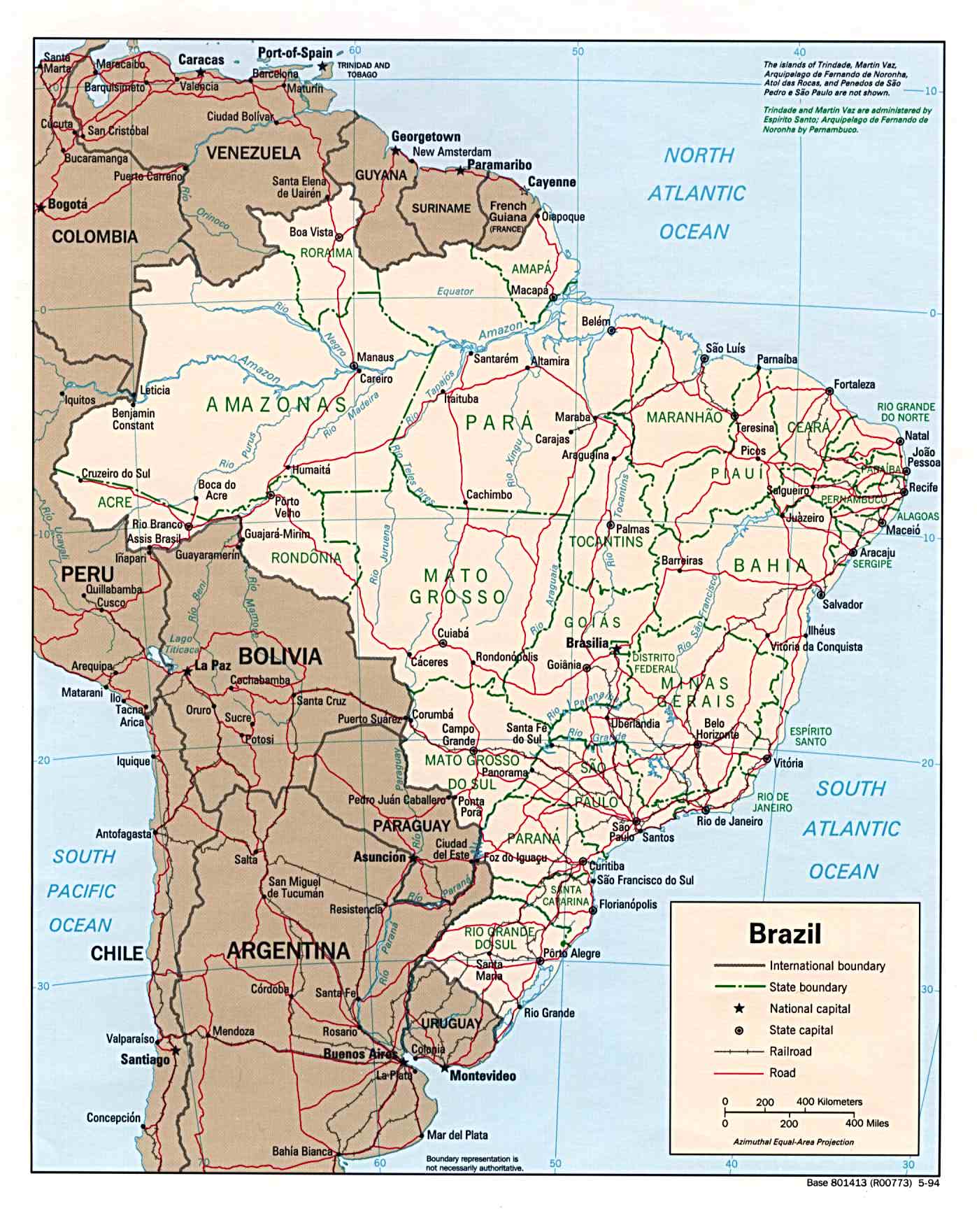
Minas Gerais remains the heart of arabica production, accounting for nearly 72 percent of Brazil's arabica area.
Not all coffee varieties share the same upbeat outlook. Robusta/conilon production for 2026/27 is forecast at 24.4 million bags, a slight decline from 2025's estimate of 25 million bags. Colder weather and periods of excessive rainfall in key producing regions have reduced yields compared to last year. Additionally, the robust 2025/26 harvest has made it difficult for crops to maintain the same production level year after year.
Espírito Santo leads robusta production with 70 percent of Brazil's cultivated area, while Bahia has overtaken Rondônia as the second-largest producer, thanks to advanced technology and expanded irrigated areas.
Even with a record crop anticipated, exporters are holding back on deals. Domestic and international stocks remain low, creating caution in the market. Coffee exports for MY 2026/27 are still forecast to surge by 30 percent, supported by the expected bumper harvest – but the hesitation is already influencing coffee prices in the Brazilian market.
The greatest uncertainty comes from climate patterns. The National Oceanic and Atmospheric Administration (NOAA) notes a 60 percent chance of El Niño occurring between May and July, with models from the International Research Institute for Climate and Society (IRI) forecasting the phenomenon to extend into early 2027.









Paradoxically, El Niño typically brings warmer winters to Brazil, reducing the risk of damaging frost events. However, above-average temperatures during flowering and grain development, combined with shifting rainfall patterns, could negatively impact the 2027/28 coffee cycle. Producers are being urged to remain vigilant about potential effects on the tail end of the current harvest and the next production cycle.
These climate uncertainties could trigger price fluctuations both globally and domestically, even as Brazil prepares to ship a historic volume of beans.
Production costs continue to challenge Brazilian coffee growers. Fertilizer prices have climbed, and freight costs have risen sharply due to increased diesel prices. According to Brazil's National Petroleum Agency (ANP), diesel jumped about 24 percent in March 2026 compared to the previous month.
Despite these headwinds, the positive exchange ratio between fertilizers and coffee throughout 2025 encouraged producers to invest in crop management practices – investments that are now paying off with exceptional yields.
As the harvest accelerates through mid-year, the world will be watching to see whether Brazil can deliver on its record-breaking promise, and whether El Niño will rewrite the script for 2027/28.