Anacafé Pioneers New Chapter for Guatemalan Coffee with Inaugural Robusta Coffee Day Festival
July 7 - 2026
Coffee Geography Magazine
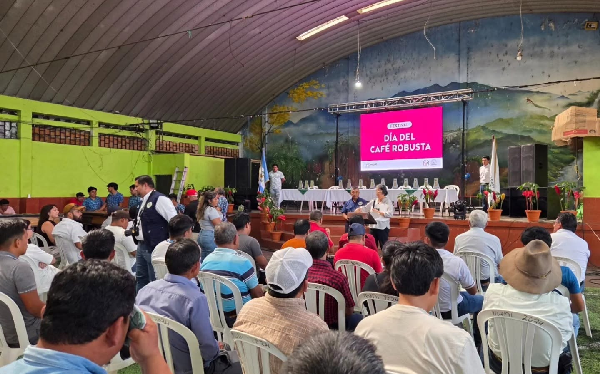
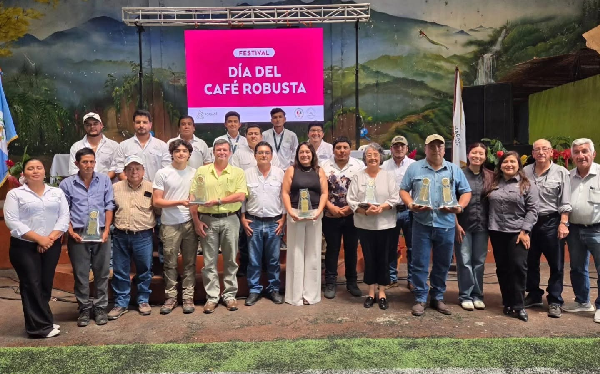
Anacafé, the National Coffee Association of Guatemala, celebrated its first-ever Robusta Coffee Day this week with a vibrant festival that signals a strategic diversification for a nation long synonymous with high-altitude Arabica beans. The Robusta Cafe Day Festival, held in the heart of the San Marcos department, brought together producers, agronomists, exporters, and baristas to explore the untapped potential of Coffea canephora, marking a deliberate pivot in one of the world’s most storied coffee origins.
For generations, Guatemala’s coffee identity has been forged in the misty highlands. Since Jesuit missionaries introduced the crop in the mid-18th century, the country’s volcanic soils, steep slopes, and microclimates produced Arabica lots celebrated for their bright acidity, chocolate undertones, and complex floral notes. By the late 1800s, coffee had become the backbone of the national economy, shaping land reforms, railways, and a deeply rooted coffee culture. The strictly hard bean (SHB) designation from elevations above 1,350 meters became a global quality seal, and Guatemalan Arabica earned a place in specialty roasters’ pantheons from Tokyo to Copenhagen.
But beneath this celebrated legacy, a quiet crisis has been brewing. Climate volatility has pushed the coffee rust epidemic into higher altitudes, while prolonged droughts and erratic rainfall have made traditional coffee lands increasingly precarious. The narrow genetic focus on Arabica—particularly the vulnerable Bourbon and Caturra varieties—left thousands of smallholder families without a safety net. Anacafé, which represents 125,000 coffee-farming families and has long provided technical assistance, market intelligence, and sustainability programs, recognized that resilience required reimagining the coffee landscape itself. Robusta, a hardier species with deeper roots, higher heat tolerance, and natural resistance to pests, emerged as a complementary pillar rather than a competitor.
“The future of Guatemalan coffee isn’t about abandoning our heritage; it’s about expanding our toolbox,” an Anacafé representative noted during the festival. “Robusta can thrive in the lower, warmer zones where Arabica struggles, offering an economic lifeline while we protect our highland gems with renewed sustainability practices.”
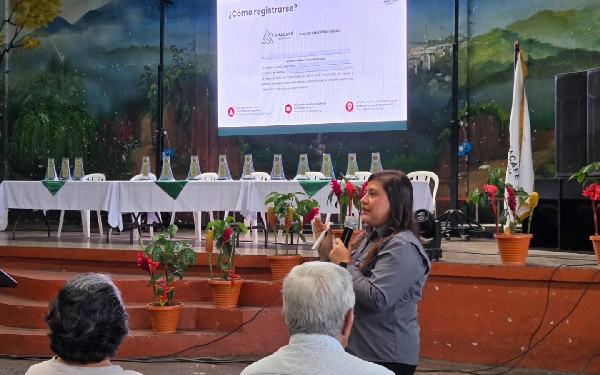
The choice of La Reforma in San Marcos as the festival’s backdrop was strategic. This coastal-influenced region, long overshadowed by the fame of Huehuetenango and Antigua, possesses the precise altitude band (300–900 meters) and tropical humidity where fine Robusta can flourish. The event transformed a local cooperative’s grounds into a bustling hub of knowledge exchange. Informative talks dissected the nuances of “fine robusta”—a category emphasizing careful cherry selection, controlled fermentation, and meticulous drying to eliminate the harsh, rubbery notes often associated with commodity-grade robusta. Agronomists demonstrated pruning and shade management techniques tailored for robusta’s bush-like structure, while market access specialists outlined certification pathways and direct-trade platforms that are beginning to reward traceable, high-scoring robusta lots.









A key session focused on the “recognition of national competencies,” a push to formally certify skills in robusta cultivation and processing, creating a professional ladder for young farmers and pickers. Attendees then gathered under a large tent for a cupping that challenged preconceptions. Coffees ranged from a surprisingly smooth, low-acid single-origin with notes of dark chocolate and toasted grain to a carefully crafted robusta-arabica blend that delivered velvety crema and a gentle spice finish. For many producers accustomed to viewing robusta as a low-price filler, it was a revelation of economic and sensory potential.
By championing Robusta Coffee Day, Anacafé is writing a new paragraph in Guatemala’s coffee narrative—one where resilience walks hand in hand with tradition. The 125,000 families under its umbrella are being equipped not just to survive but to diversify their harvests sustainably. As the sun set over La Reforma’s green hills, the message was clear: Guatemala’s coffee story is no longer confined to the highlands. A robust new chapter has begun.