HRNS Leads the Fight to Protect Yayu Forest
August 2 - 2026
Coffee Geography Magazine
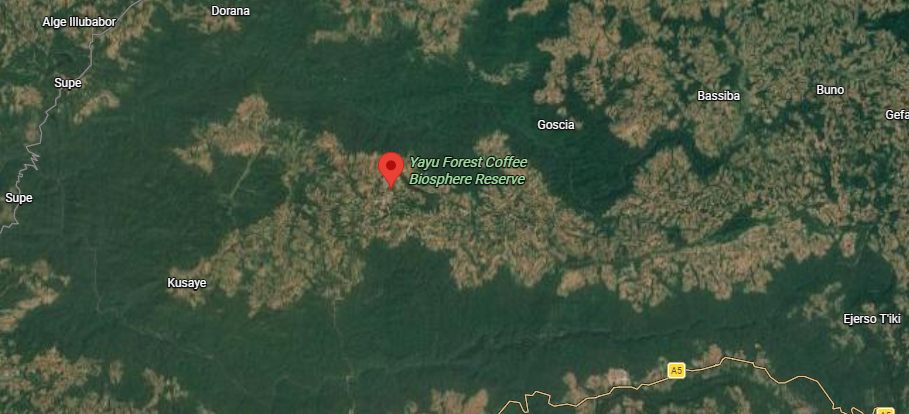
Hidden in the highlands of southwestern Ethiopia lies a natural treasure of global significance: the Yayu Coffee Forest Biosphere Reserve. Spanning over 167,000 hectares across the Oromia region, this UNESCO-designated site is not merely a scenic landscape—it is the cradle of Arabica coffee and one of the most important genetic reservoirs for the world’s favourite morning brew.
For the global coffee industry, Yayu is nothing short of a living gene bank. This is the native home of Coffea arabica, where wild coffee populations have evolved over millennia in pristine montane rainforest. Scientific studies have consistently shown that Yayu’s coffee populations harbour some of the highest genetic diversity of any known Arabica populations on Earth. While commercial coffee plantations around the world are built on a very narrow genetic base—leaving them vulnerable to pests, diseases, and climate shifts—Yayu’s wild varieties hold adaptive traits that could be crucial for future breeding programmes. In an era of rising temperatures and erratic rainfall, the resilience encoded in these forest coffee trees may well determine whether coffee farming survives in many parts of the world.
UNESCO has called Yayu “the largest and most important forest in the world for the conservation of wild coffee populations.” Beyond coffee, the reserve shelters over 450 higher plant species, 50 mammals, and 20 amphibians, many of which are endemic. Its ecological integrity is exceptional, making it a hotspot for biodiversity and a natural laboratory for scientists who believe that many undiscovered coffee varieties still await identification within its canopy.








Yet this invaluable heritage faces mounting pressure. Smallholder farmers living around the forest rely on coffee for their livelihoods, but low productivity often drives them to expand cultivation into protected areas, causing deforestation and soil degradation. Balancing the needs of local communities with forest conservation has become an urgent challenge—not only for Ethiopia, but for the entire coffee sector that depends on the genetic insurance that Yayu provides.
To address this, the Hanns R. Neumann Stiftung (HRNS) and NABU Ethiopia have joined forces under the project “Harmonising People and Nature for Sustainable Livelihoods in Yayu Coffee Forest Biosphere Reserve.” The initiative promotes climate smart livelihoods, biodiversity conservation, forest restoration, and the active participation of women and youth. A key pillar is capacity building among local farmers and extension agents.
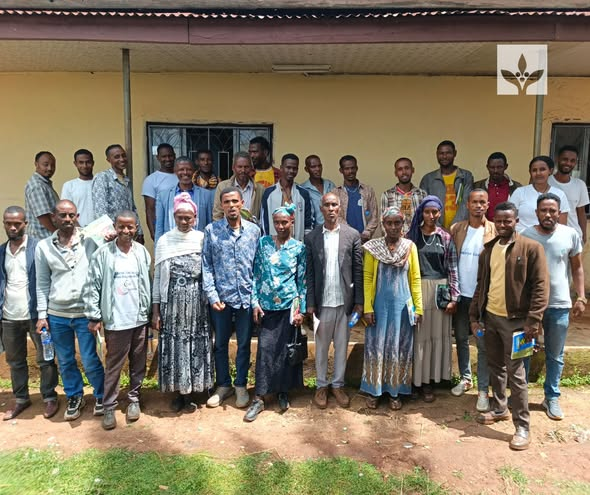
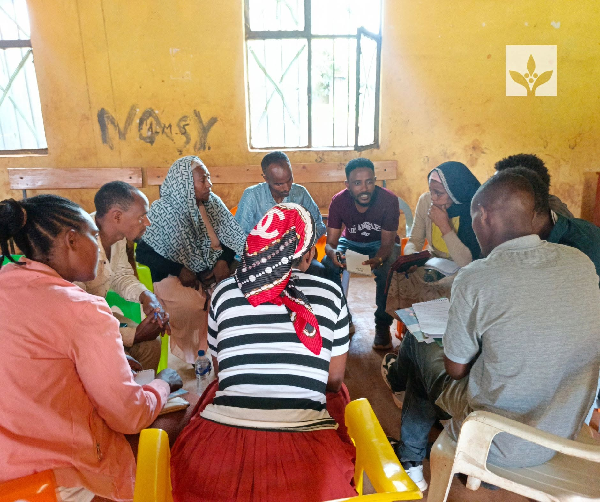
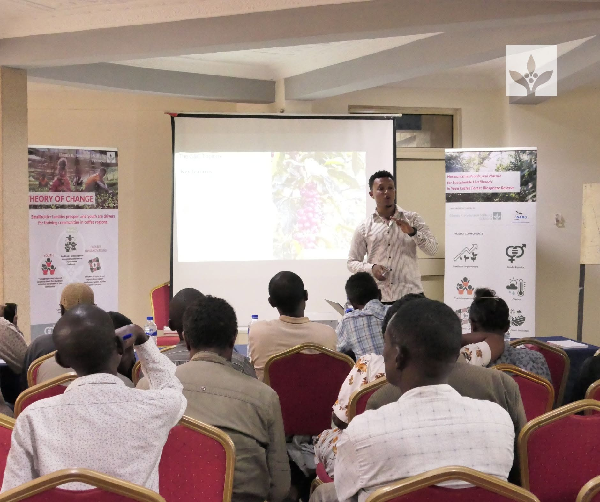
As part of this effort, 76 Farmer Field School (FFS) facilitators—including 19 women—have completed comprehensive training to guide farmer groups across the Yayu, Hurumu, and Alge Sachi districts. The curriculum combines Good Agricultural Practices (GAP), the Gender Household Approach (GHA), organisational development, and digital advisory tools such as the coffee&climate Toolbox and Farmer.Chat by Digital Green. These facilitators will now work directly with communities, turning everyday fields into learning laboratories where farmers observe, experiment, and co create solutions.
Simultaneously, Development Agents and agricultural experts from the same districts underwent a two day training focused on regenerative agriculture, landscape management, biodiversity conservation, and the role of biosphere reserves. They also learned to use digital tools to deliver timely advice to smallholder households.
The ultimate goal is to empower farmers to improve their yields and income from forest grown coffee, while reducing pressure on the reserve. By strengthening local knowledge and fostering peer to peer exchange, the project ensures that sustainable practices take root and spread organically.
Yayu Coffee Forest is more than an Ethiopian natural wonder—it is a lifeline for the global coffee industry. Protecting it means safeguarding the genetic diversity that may one day save coffee from climate induced collapse. And by investing in the farmers who live alongside the forest, HRNS and NABU are proving that conservation and livelihoods can go hand in hand. The seeds of a resilient coffee future are being planted today, right there in the shade of Yayu’s ancient wild coffee trees.