Trump's 50% Tariff Threat on Brazil by August 1st Puts Pressure on Coffee Export
July 15 - 2025
Coffee Geography Magazine
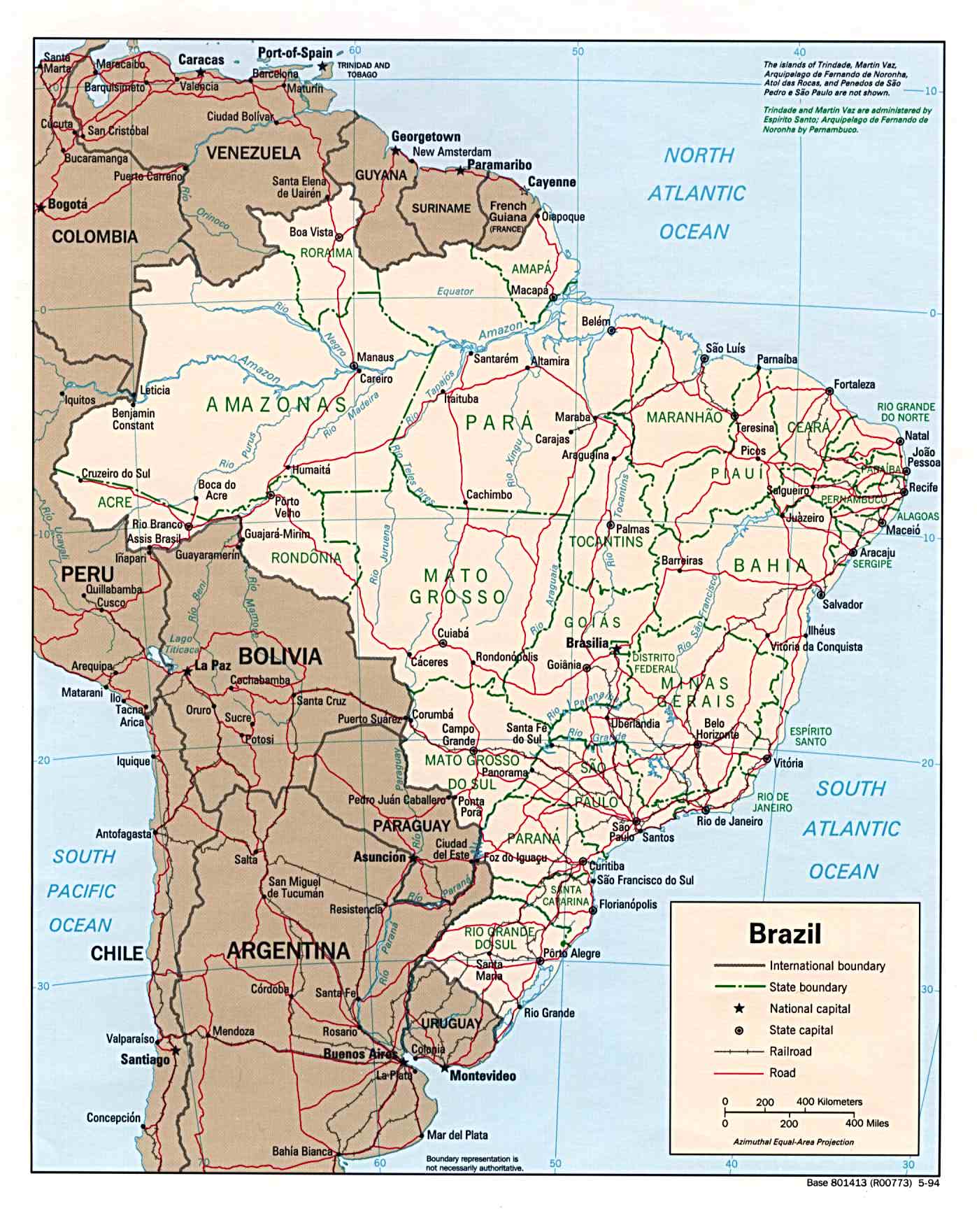
The cost of the classic American breakfast could soon jump significantly, fueled by President Donald Trump's threat to impose steep new tariffs on Brazilian goods. A potential 50% hike on imports from the South American nation, unless averted by negotiations before an August 1st deadline, places staples like coffee and orange juice squarely in the crosshairs, promising higher prices for U.S. consumers.
The announcement triggered immediate alarm within Brazil's powerful coffee sector. Exporters issued scathing criticism of the U.S. president and are urgently pressing the administration of President Luiz Inácio Lula da Silva to mount a fierce defense of their vital industry. Echoing these concerns, Brazil’s influential agribusiness caucus in Congress declared last Thursday that such tariffs would inflict "direct effects," damaging the nation's entire agribusiness complex. They warned the move would disrupt exchange rates, inflate the cost of crucial imported supplies, and severely undermine the competitiveness of Brazilian exports on the global stage.

President Luiz Inácio Lula da Silva
President Lula swiftly countered Trump's move, framing the U.S. action as particularly jarring given the existing trade imbalance. In interviews following the tariff threat, Lula asserted that the United States has enjoyed a massive trade surplus exceeding $410 billion with Brazil over the past fifteen years. He emphasized that orange juice and coffee stand among the very few Brazilian products purchased by American consumers in truly massive quantities, making the tariff threat a targeted blow.
This dependency underscores the potential disruption. American coffee consumption relies almost entirely on imports, and Brazil, as the world's largest producer, is a linchpin supplier. U.S. government data confirms Brazil provides roughly 30% of the coffee consumed in the American market. Colombia follows at approximately 20%, and Vietnam contributes about 10%. Compounding the pressure, global coffee stocks are currently depleted due to climate-related production challenges that have already strained prices worldwide.





Marcos Matos, Executive Director of Cecafé (Brazil’s Coffee Exporters Council), provided a stark perspective. He noted that while the initial 10% tariff imposed by the Trump administration in April was manageable, especially compared to the significantly higher rates initially faced by competitors like Vietnam (which started at 46%, now reduced to 20%), the proposed leap to 50% represents a "serious escalation." Matos warned of widespread damage: "It will harm us, coffee exporters, in terms of jobs, income and costs. And it will hurt the American industry and the end consumer, who will end up paying more." He revealed that Brazil's Agriculture Minister, Carlos Fávaro, assured him last Thursday that the government is actively seeking alternatives for coffee exporters as negotiations with the U.S. proceed.
President Lula, however, signaled a broader strategy beyond negotiation. Last Wednesday, he declared Brazil would respond to Trump's 50% tariff with "reciprocity." Invoking recently enacted Brazilian legislation authorizing proportional countermeasures, Lula asserted Brazil's sovereignty. According to his social media post, he stated plainly: "Brazil is a sovereign country with independent institutions that will not accept being lectured by anyone." This sets the stage for a potential tit-for-tat trade conflict if the August 1st deadline passes without resolution, with American breakfast tables caught in the middle.