Cecafé of Brazil and Port Authority of Santos Strengthen Ties with Technical Visit to Coffee Region
July 11 - 2025
Coffee Geography Magazine
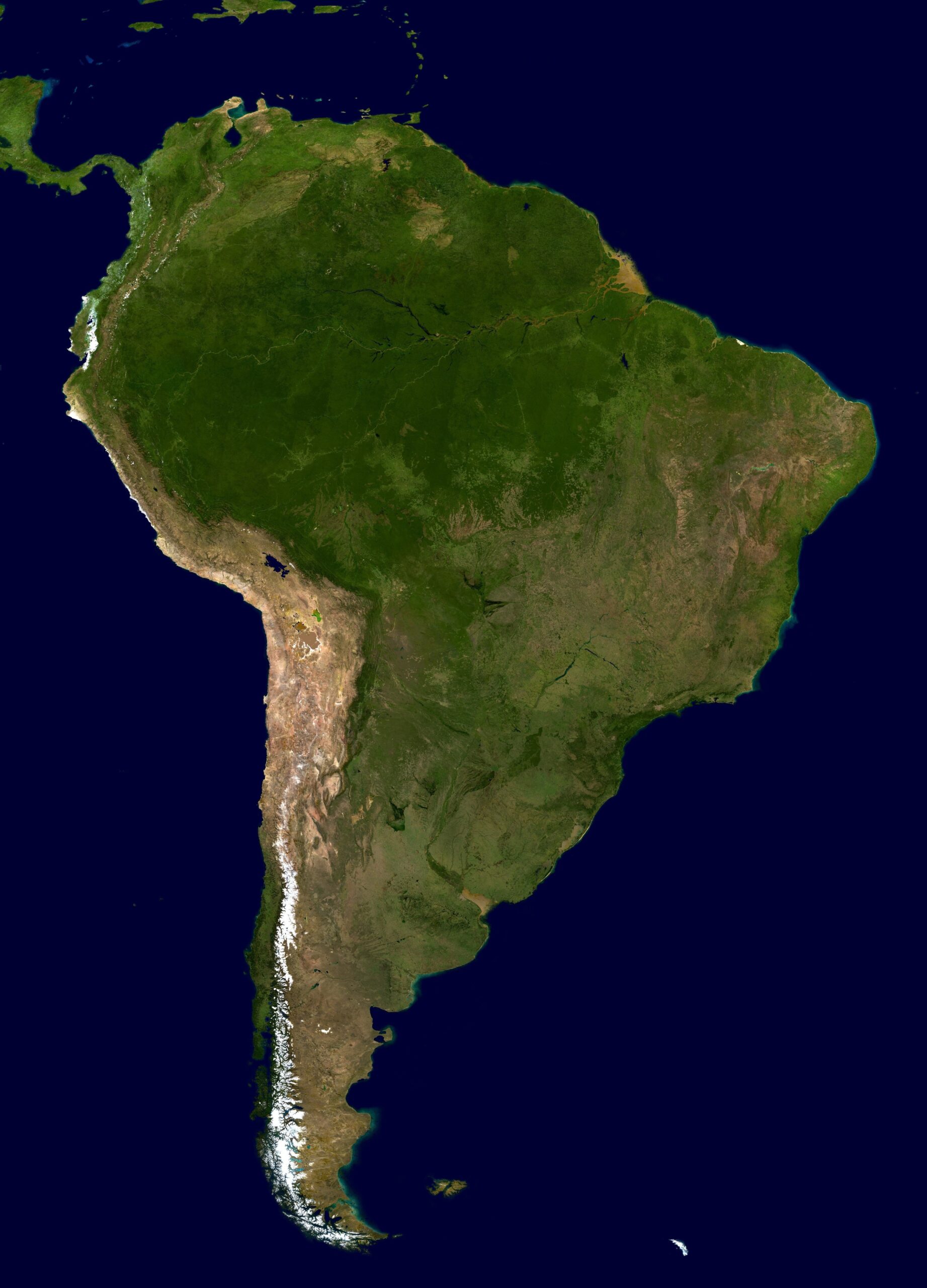
The Brazilian Coffee Exporters Council (Cecafé) recently organized a technical visit for representatives of the Port Authority of Santos (APS) to key coffee-producing cities in the South of Minas Gerais—Varginha, Alfenas, and Guaxupé. As the largest coffee-growing region in Brazil, the area served as an ideal setting for APS officials to gain firsthand knowledge of coffee production, processing, and export preparation. The visit also highlighted the logistical challenges facing the sector due to strained port infrastructure.
Leading the delegation were Cecafé’s technical director, Eduardo Heron, and members of its Logistics Coordinating Committee: Ronald Pires de Moraes (Cooxupé), Rogério Fugazza (ofi), and Hamilton Sá (Cofco). They guided APS representatives Márcio Kanashiro, Superintendent of Port Operations; Ricardo Hideki Maeshiro, Manager of Logistics Planning; Wagner Moreira Gonçalves, Advisor to the Presidency; and Edmar dos Santos Costa, Advisor to the Port Operations Directorate, through various stages of the coffee supply chain.
The group observed the diverse profiles of local producers, from harvesting to processing, including quality sorting, export preparation, and container loading. The immersive experience provided APS with critical insights into the complexities of transporting coffee from farm to port.

Márcio Kanashiro of APS emphasized the importance of the visit in deepening the port authority’s understanding of coffee logistics. "We conducted this technical visit to closely examine the coffee production and export processes, particularly the logistical operations that bring this vital commodity to the Port of Santos," he said. "Having Cecafé’s Logistics Committee alongside us enriched the experience and fostered meaningful connections between export professionals and port technicians."
He explained that the initiative is part of APS’s broader strategy to expand its technical expertise beyond the port itself, recognizing that efficient port operations begin long before goods arrive at the docks. "By comprehending the entire logistics chain, APS can refine its practices, ultimately boosting the efficiency and competitiveness of the port complex," Kanashiro added.







Eduardo Heron of Cecafé noted that the visit allowed APS to witness the varying scales of coffee production—small, medium, and large—and the technological investments made at every stage. "We highlighted how logistical bottlenecks and inadequate port infrastructure affect the entire supply chain, all the way back to the coffee growers," he explained. "This was an opportunity to demonstrate the full export preparation process and its challenges."
The APS delegation was reportedly impressed by the depth of the coffee industry’s operations. "They were surprised and pleased to gain this knowledge, which provided them with a clearer picture of how logistical inefficiencies impact the final stages of the chain," Heron remarked.
Heron framed the visit as an extension of Cecafé’s ongoing dialogue with APS, aimed at fostering mutual understanding and advocating for infrastructure improvements. "By sharing insights into production and export processes, we hope to drive meaningful action to address current bottlenecks," he said.
He added that APS officials left with a renewed commitment to evaluating solutions. "Having now seen the challenges firsthand, they plan to study potential measures to mitigate risks and enhance the efficiency of coffee exports through the Port of Santos."
The visit marks a significant step in aligning port operations with the needs of Brazil’s coffee industry, paving the way for more collaborative and effective logistics solutions in the future.