Brazil’s Coffee Crisis: Betting Big on Irrigation to Save a Thirsty Global Market
April 06 - 2025
Coffee Geography Magazine
As drought ravaged Brazil’s coffee heartland last year, withering trees and catapulting global prices to historic highs, Rodrigo Brondani surveys his sprawling Joha farm in Bahia with optimism. His secret? A vast irrigation system humming across 900 hectares of lush coffee fields—a stark contrast to the parched, smaller farms dominating Latin America’s traditional growing regions.
Brondani’s farm, part of agro-giant AFB&IOB, epitomizes a seismic shift in coffee cultivation. Circular irrigation pivots—resembling giant clock hands—deliver precise water doses to glossy trees heavy with cherries. This industrial approach yields 80 bags per hectare, doubling Brazil’s average, and positions irrigated mega-farms as critical players in offsetting climate-driven shortages. “Coffee farming has changed for good,” says AFB&IOB director Sergio Vieira.
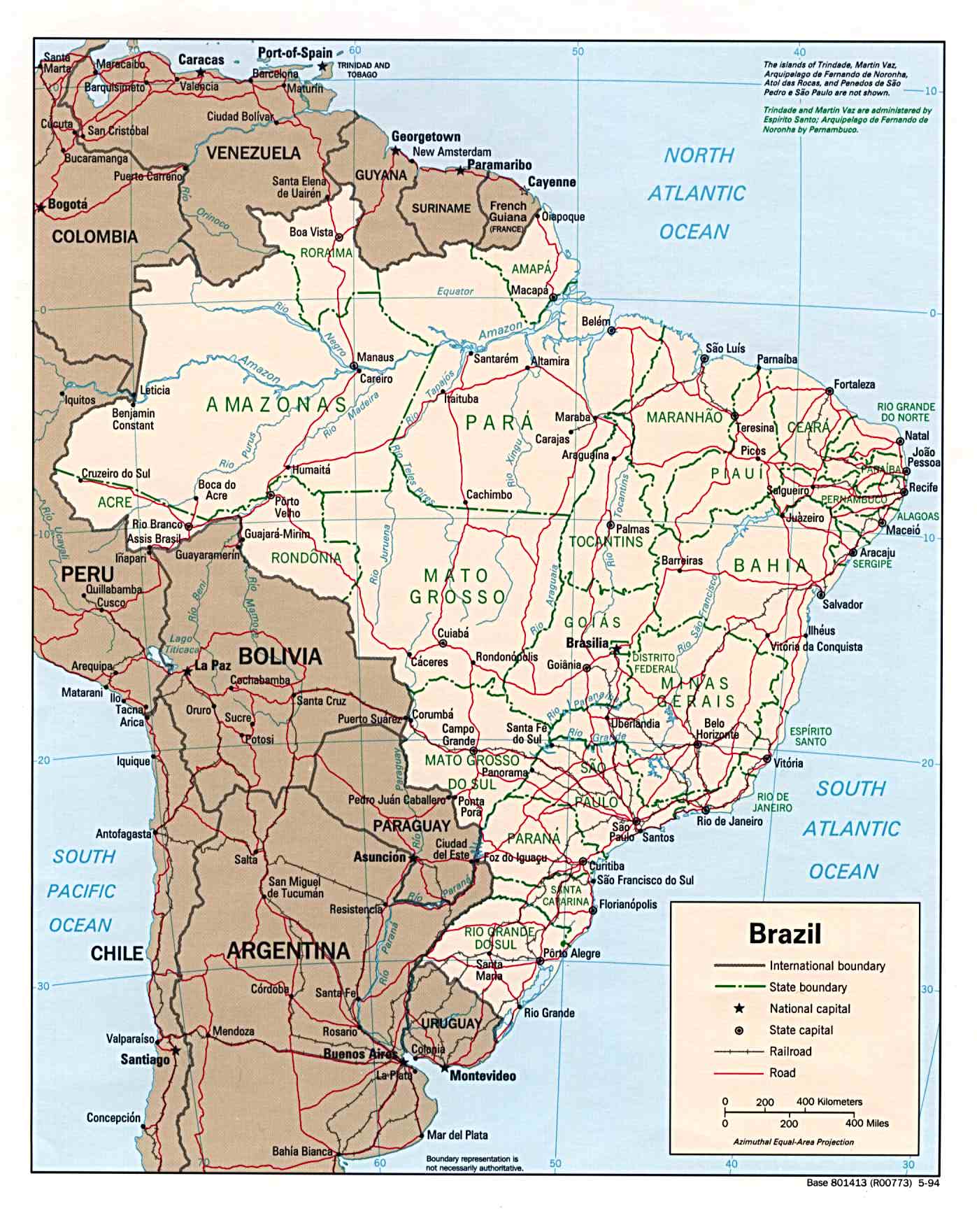
Brazil’s coffee belt, long reliant on predictable rains, now grapples with erratic weather. Last year’s drought arrived too late for Minas Gerais, the traditional coffee powerhouse, where 70% of farms lack irrigation. Surviving trees, stressed by arid conditions, will produce fewer beans in 2025—tightening global supplies already strained by three consecutive years of deficit. “Without irrigation, profitability is nearly impossible,” laments Osmar Junior, a Minas farmer whose harvests plummeted 65% since 2020.
While Bahia taps the Urucuia aquifer—a shallow, colossal water reserve—Minas faces a deepening crisis. Drilling 300-meter wells here costs $263,000 per irrigation system, often yielding weak flows. “There was no water, even with infrastructure,” says Minas grower Mario Alvarenga. Meanwhile, Bahia’s irrigated area could triple to 1 million hectares, though researchers warn of “super-exploitation”: daily agricultural water use here equals nine times São Paulo’s municipal needs.








Global coffee prices have surged 95% since 2024, hitting $4.40/lb for arabica—a spike filtering down to Starbucks lattes and Nespresso pods. Yet farmers only now recoup losses from a decade of low prices. For many, investing in drip irrigation ($6,991/hectare) or soil regeneration remains out of reach. Cooxupe, Brazil’s largest coffee co-op, partners with Israel’s Netafim to offer payment plans in coffee bags, aiming to double irrigation coverage by 2030.
While Bahia’s boom offers short-term relief, its ecological toll looms. The Urucuia aquifer lost 31 billion cubic meters in two decades—2.3% of its reserves—as regulations lag behind farming expansion. “Current tools to protect water are inefficient,” warns UFBA researcher Carlos Silva. Without stricter oversight, the aquifer’s decline could mirror Minas’ crisis, jeopardizing coffee’s future.
With global demand outpacing production four times in six years, the world’s 7% annual supply deficit won’t ease soon. Farmers and roasters are draining stockpiles, and consumers face pricier cups. Yet Brondani’s thriving circles in Bahia hint at a polarized future: one where high-tech agribusinesses thrive, while smaller growers battle climate and capital constraints. As Vieira notes, “Water availability is now our top priority—everything else comes second.”