EU Politicians Falsely Link Rejected Brazilian Coffee Shipment to EU-Mercosur Trade Deal
May 29 - 2026
Coffee Geography Magazine
Social media posts claiming a pest-infested coffee shipment entered Europe under the new EU-Mercosur agreement have been debunked by official data and trade records. A shipment of Brazilian coffee rejected by Polish inspectors has become the centerpiece of a misinformation campaign targeting the European Union's trade deal with South America's Mercosur bloc. Far-right politicians from France and Poland have falsely claimed the incident proves the agreement allows contaminated products to flood European markets.
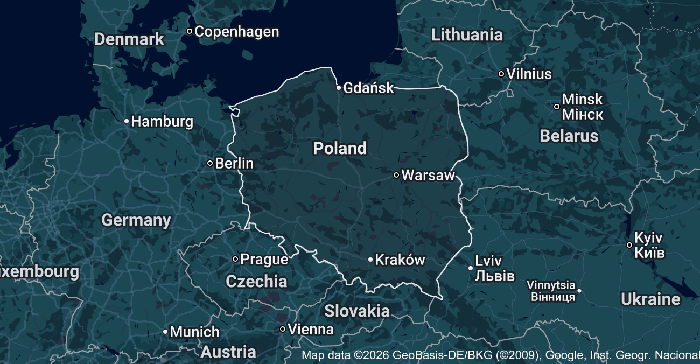
Poland's Agricultural and Food Quality Inspection Agency (IJHARS) announced on Facebook that it had blocked 63,000 kilograms of raw green coffee from entering the country. The shipment, halted in Poznań, contained "damaged beans" and "live pests" — though inspectors did not specify which pests were found. The agency confirmed the interception was a routine matter. In 2025 alone, IJHARS issued 95 decisions blocking imported food shipments, affecting 121 batches of food destined for Poland from non-EU countries.
Polish far-right MEP Ewa Zajączkowska-Hernik seized on the incident, presenting it as proof of the EU-Mercosur trade agreement "in practice." She accused the deal of "poisoning people for the sake of German economic interests." Her claims were amplified by the right-wing commentary website wPolityce, which inaccurately described the coffee as "worm-infested." Meanwhile, former French MEP Florian Philippot, founder of the Eurosceptic Patriots party, also linked the shipment to the trade deal, repeating the "worm-infested" claim despite the absence of such wording in the official inspection report.






The EU-Mercosur agreement began provisional application on May 1. However, publicly available trade data shows no connection between the rejected shipment and the new trade deal.
Green coffee already entered the EU tariff-free long before the EU-Mercosur agreement took effect. According to UN Comtrade data, Brazil exported more than 15 million kilograms of green coffee to Poland in 2024 alone — a full year before the deal's provisional application. Furthermore, a 2011 report published by the International Coffee Organization explicitly notes that "non-decaffeinated green coffee can be imported tariff-free into the European Union," while only processed coffee incurs a higher tariff.
IJHARS stated that the shipment underwent a "standard commercial quality inspection" carried out under existing national rules, not under any new preferential trade conditions. The agency noted that customs-related matters fall under the responsibility of tax and customs authorities, not its purview. The agency also emphasized that intercepting non-compliant food products is not unusual.
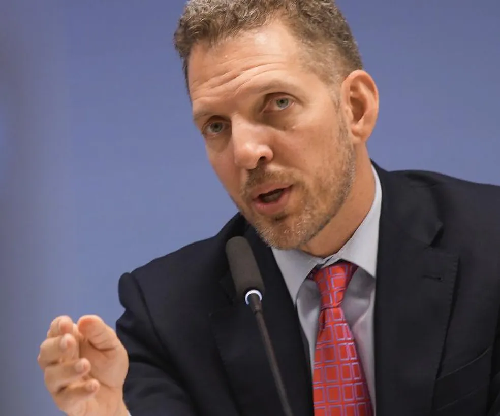
Brazil's ambassador to the EU, Pedro Miguel da Costa e Silva
Brazil's ambassador to the EU, Pedro Miguel da Costa e Silva, directly rejected the claims linking the shipment to the trade agreement. "Green coffee already entered the EU under a zero tariff rate. Nothing changed," he said. "Brazil has exported green coffee to Europe since the 19th century."
Critics of the EU-Mercosur deal — which removes import duties on goods traded between the EU and Mercosur countries, including Brazil, Argentina, Paraguay, Uruguay and Bolivia — argue that reduced tariffs will flood Europe with agricultural products that fail to meet European standards. They also raise concerns about pressure on food inspection systems and the financial security of European farmers facing cheaper competition.
However legitimate those concerns may be, the available evidence does not support linking this specific coffee shipment to the EU-Mercosur trade agreement. The incident was a routine interception of a product that had been subject to zero tariffs for years, conducted under long-standing national inspection rules.