






Coffee exporters from Vietnam affected by the low prices
February 17 - 2023
Coffee Geography Magazine
Vietnam is the top Robusta coffee exporter in the world. Despite having a high export volume, the coffee exporters are affected by the coffee prices which hurt their revenues. The weakening demand of the global economy and the abundant supply of domestic coffee between 2022 and 2023 is the primary cause of the down trend.
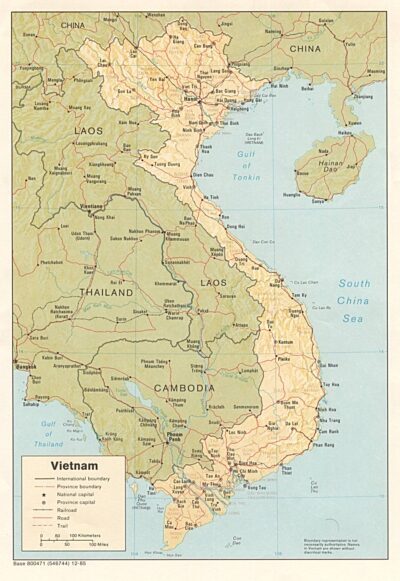
Specifically, coffee in Lâm Đồng Province was traded at US$1.63 per kilo by late 2022, comparable to that in Đắk Lắk, Đắk Nông, or Gia Lai provinces, which was sold at around $2.00 per kilo.
Last year, $76.4 million revenue was posted by Vietnam National Coffee Corporation, down 10% year on year. For many, market expansion is no longer the priority as many companies like Vinacafe takes a more conservative approach to its business this year to hedge against risks.
Domestic raw coffee prices were about 3 per cent lower than the prices that Vinacafe could realize from its export in late 2022. The company had to stop signing new exporting contracts to not incur higher losses.
The situation was not better for the Intimex Import – Export JSC, which saw its coffee export plunge in the last six months of 2022 amid fierce competition from Indonesian robusta.
Intimex Chairman Đỗ Hà Nam forecast that coffee exports between 2022 and 2023 would continue to drop further from the figures between 2021 and 2022.
However, he also held that Vietnamese coffee would probably stay ground internationally because of its low glyphosate residues, which has given it a competitive advantage over Brazilian robusta.
Thắng Lợi Coffee JSC is another company that has been financially hard-hit by the falling coffee prices. The company said despite high sales during the year, the price fall eroded its profit margin by 3.3 percentage points. Meanwhile, its costs rose by 32.5 per cent, resulting in lower profits.


The Agency of Foreign Trade, under the Ministry of Industry and Trade, forecast that the situation would turn around by the end of Q1 as global coffee consumption is expected to pick up on the back of falling inflation worldwide, leading to the recovery of coffee prices.
World coffee prices have begun to rise by 12 per cent, to about $2,053 per tonne. Domestic robusta prices followed suit to be in line with the bullish trend, reaching around VNĐ42,800 per kilo in January and remaining stable in early February.
However, the market would experience an excessive supply of 4.8 million bags during the period, resulting in a fall of three million bags in global exports. Countries expected to bear the brunt of the oversupply include Brazil, India and Việt Nam.