Löfbergs Scales On-Farm Restoration to Future-Proof Coffee Against Climate Change
December 18 - 2025
Coffee Geography Magazine
Building on a century of sustainability work, Swedish family-owned coffee roaster Löfbergs is scaling a transformative regenerative agroforestry model across key coffee landscapes. After two years of co-development with the impact company GrowGrounds, the initiative is moving into full implementation, representing a direct investment in the regions where its coffee is grown.
The program addresses a pressing reality: climate change is already undermining the stability of coffee supply. Farmers in Löfbergs' sourcing regions face more frequent heatwaves, erratic rainfall, and soil degradation. "If we want stable access to good coffee in the long run, we must help rebuild the ecosystems that make coffee possible," says Anders Fredriksson, CEO of Löfbergs.
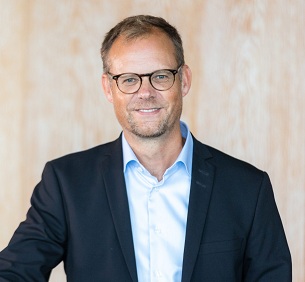
Anders Fredriksson, CEO of Löfbergs
The solution lies in shifting from exposed monoculture to diversified agroforestry. Through partnerships with GrowGrounds and major cooperatives like Cooxupé and Expocacer, Löfbergs supports farmers in integrating shade trees, fruit species, and native plants into their coffee systems. The first restored areas, spanning the equivalent of dozens of football fields, are already showing promising results. Early field observations report cooler soil temperatures, improved moisture retention, and greater plant resilience during heat and drought.

This hands-on approach creates a new model for climate-smart sourcing with three core advantages. First, it builds a more resilient supply chain by naturally protecting yields through improved microclimates and soil health. Second, it generates verified climate impact within Löfbergs' own value chain—every restored plot is monitored with GPS and digital data, moving beyond externally purchased offsets. Third, it ensures transparent benefits for farmers, who receive the majority share of the climate financing generated by their restored land.






"In simple terms, most of the value created through this climate action goes directly to the farmers," explains Kajsa-Lisa Ljudén, Head of Sustainability at Löfbergs. "When farmers can grow more resilient coffee while earning additional income, and when we gain a more stable supply and verifiable climate impact, this becomes a practical solution to a real business challenge."
By investing directly in field-level restoration, Löfbergs aims to lay the foundation for a regenerated coffee landscape—securing high-quality coffee for future generations while restoring nature and improving farmer livelihoods.