Brazil on Track to Overtake Vietnam as World's Top Robusta Coffee Producer
October 9 - 2025
Coffee Geography Magazine
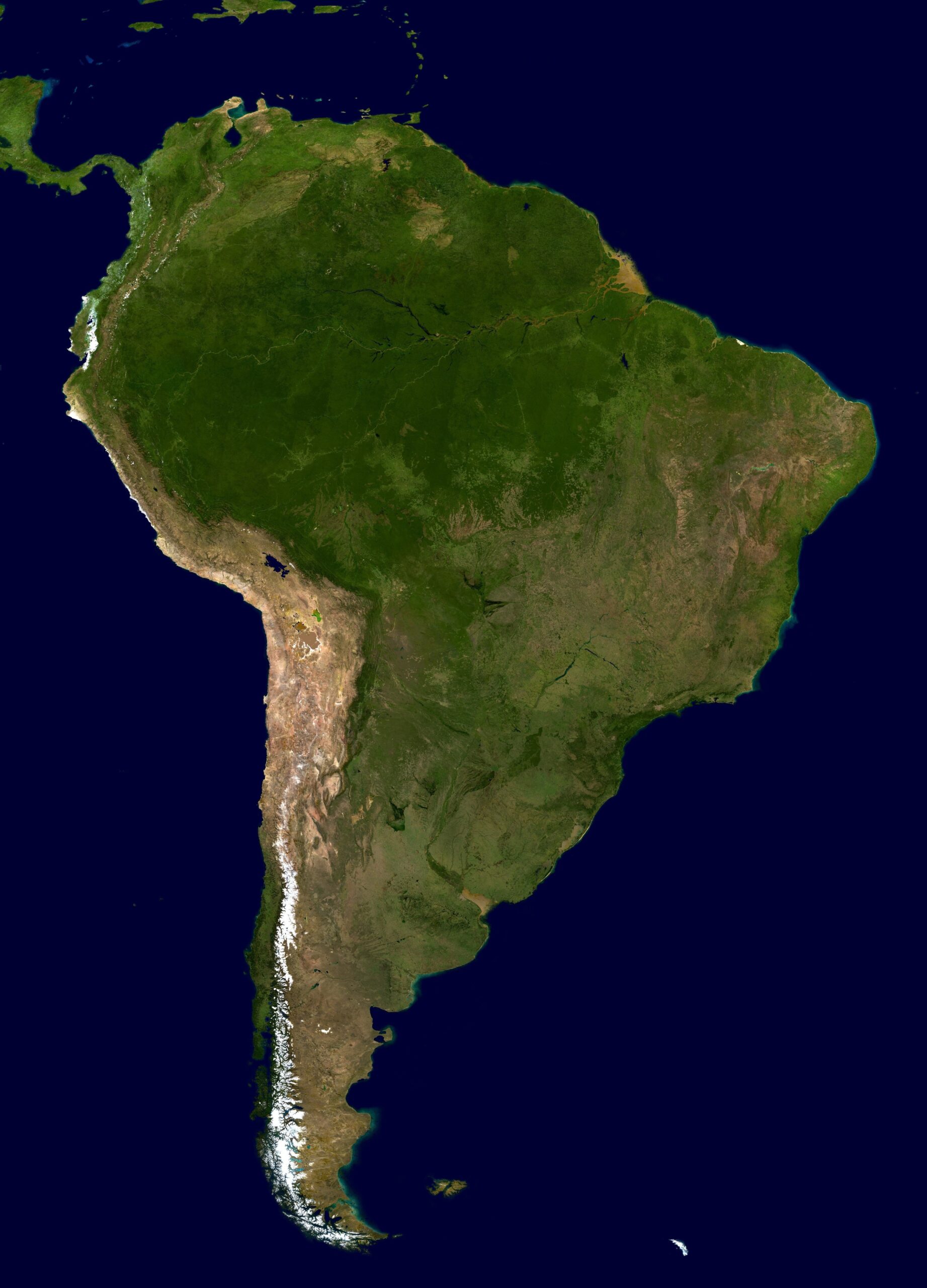
In a significant shift for the global coffee trade, Brazil is steadily positioning itself to become the world's leading exporter of robusta coffee, a title long held by Vietnam. This ascent is fueled by a combination of soaring global demand and the bean's rugged resilience in the face of climate volatility, positioning the South American nation to offer a more stable supply of the intense, highly caffeinated bean.
A recent report from Dutch bank Rabobank projects that Brazil's robusta coffee production will surge to 24.7 million 60-kilogram bags in 2025. This figure represents a dramatic 30 percent increase from 2019 levels and signals a profound transformation of the country's agricultural landscape. The driving forces behind this boom are multifaceted. Globally, consumer habits are evolving; robusta, once primarily the backbone of instant coffee, is now finding new life in the booming market for espresso blends and iced coffee beverages, particularly in emerging economies.
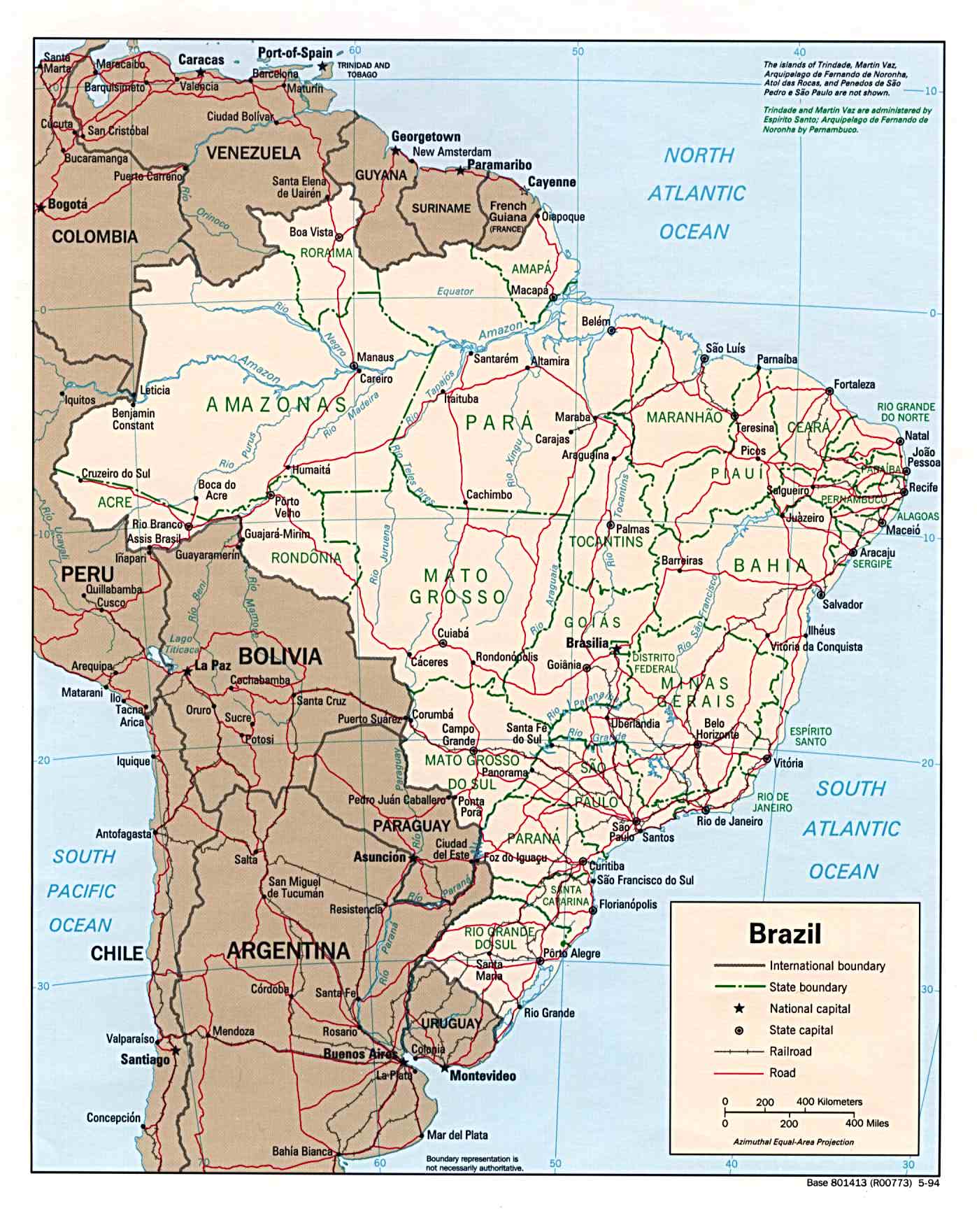
At the same time, environmental pressures are making robusta an increasingly attractive crop for Brazilian farmers. The report details a troubling backdrop for coffee growers: maximum temperatures in Brazil's coffee regions have risen between 1.3°C and 1.6°C over the past half-century, accompanied by a sharp decline in average rainfall. In this challenging new reality, robusta’ inherent advantages are clear. It is significantly more resistant to heat, drought, disease, and pests than the more delicate arabica variety, and it requires fewer expensive chemical inputs. However, this hardiness has its limits; with nature providing insufficient water, an estimated 71 percent of robusta fields now depend on irrigation, a practice expected to expand significantly by 2040.






Further bolstering Brazil's competitive edge are new regulatory landscapes. The European Union’s Regulation on Deforestation-free Products (EUDR) will require commodities like coffee to meet strict traceability criteria. According to the Rabobank analysis, Brazil's "well-structured supply chain and robust traceability systems" are a significant asset for compliance. The country also holds a vast resource in its approximately 28 million hectares of degraded pastureland, which can be converted for agriculture, enabling a path to deforestation-free expansion. An exemption for instant coffee under the EUDR could also serve to drive future demand for the bean.
While the initial investment for new robusta plantations is high—around US$15,700 per hectare—the long-term outlook is compelling. The crop offers yields nearly 170 percent greater than arabica, allowing farmers to recoup their costs in approximately four years. As climate volatility increasingly disrupts global markets, Brazil's capacity for large-scale cultivation of a resilient crop appears to be brewing a perfect storm, one that looks set to redefine the hierarchy of the world's coffee exporters.