
African Coffee Summit in Tanzania adopts new strategies to increase earning from the sector
February 23 - 2025
Coffee Geography Magazine
The 3rd G25 African Coffee Summit in Dar es Salaam is set to adopt a strategic declaration aimed at fostering a youth-driven, value-added coffee industry across the continent. Primus Kimaryo, Chairman of the Tanzania Coffee Board (TCB), emphasized the importance of prioritizing value addition, local processing, and regional trade to position Africa as a major player in the global coffee market. He called on African governments to invest in coffee processing, strengthen local markets, and empower young entrepreneurs with the necessary skills, financing, and opportunities to transform the sector.
Kimaryo highlighted that coffee is not merely a commodity but a cornerstone of Africa's economy, supporting over 10 million farmers. He underscored the industry's potential to drive employment, foster innovation, and elevate Africa's role in the global market.
Hussein Bashe, the Agriculture Minister, stressed the need for African countries to increase their collective coffee production to at least 20 percent of global output by 2030. This, he argued, would strengthen Africa's economic position in global trade. Bashe pointed out that Africa must move beyond exporting raw coffee and capture more value within the industry. He emphasized the importance of unlocking employment opportunities for the youth through the revitalization of the African coffee sector.








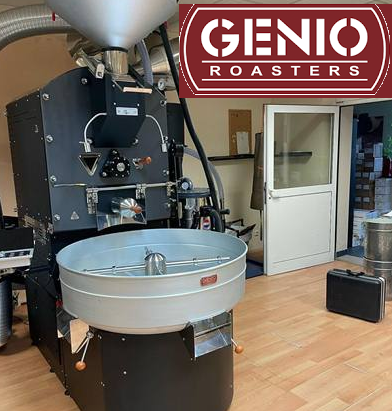
Despite being the birthplace of coffee, Africa currently earns only \$2.5 billion annually from coffee exports, a small fraction of the \$500 billion global coffee trade. Bashe noted that over 90 percent of African coffee is exported as raw beans, with minimal processing occurring on the continent. He described the situation as unacceptable, highlighting that Africa exports coffee worth \$3 billion but imports processed coffee worth \$50 billion. This disparity underscores the need for African countries to invest in local coffee processing industries and strengthen intra-African coffee trade.
Bashe also pointed to Tanzania as an example, noting that the country produces some of the world's finest coffee on the slopes of Mount Kilimanjaro and in the Southern Highlands. He projected that increasing production in these regions could lead to significant revenue growth.
Ambassador Solomon Rutega, Secretary General of the Inter-African Coffee Organisation (IACO), echoed these sentiments, urging African countries to take control of their coffee value chain. He emphasized the need to reduce reliance on foreign processing and to retain more value within the continent.
The summit serves as a call to action for African governments and stakeholders to invest in the coffee sector, focusing on value addition, local processing, and youth empowerment to drive economic growth and innovation.