China’s coffee imports surge to 5.6 million bags in 2024/25 with Brazil and Colombia as top suppliers
December 22 - 2024
Coffee Geography Magazine
In the last decade, China’s total coffee imports nearly tripled to 5.5 million bags and are forecast to reach 5.6 million in 2024/25. This explosive growth was driven by green coffee jumping from just 900,000 bags in 2014/15 to a forecast 3.6 million.
Vietnam and Indonesia were initially top suppliers but have since been overtaken by Brazil and Colombia. Import demand for soluble coffee has remained relatively flat during this period and is forecast at 1.8 million bags in 2024/25, with top suppliers including Vietnam and Malaysia. China typically imports less than 400,000 bags of roasted coffee, primarily from the European Union and United States. Roasted coffee is less desirable for imports because it begins to lose flavor and aroma shortly after being roasted unless shipped quickly in specially designed packaging.

USDA reported that China’s consumption growth is expected to continue as this largely tea drinking culture embraces a higher caffeinated beverage and be a major factor in growing global coffee demand. China’s coffee consumption surged almost 150 percent in the last 10 years and is forecast to reach 6.3 million bags (60 kilograms) in 2024/25. With domestic production hovering around 2.0 million bags during this period, imports satisfied rising demand. Whereas lower-quality soluble coffee dominated trade at the beginning of this period, higher-quality green coffee now accounts for over 60 percent of total imports.








While tea remains China’s primary beverage, coffee consumption is becoming more popular, especially with younger professionals in urban areas who increasingly purchase coffee away from home. Retailers are concentrated in Beijing, Shanghai, Guangzhou, and Shenzhen but have been on the rise in lesser populated cities such as Chengdu, Hangzhou, Suzhou, and Chongqing. These markets were initially dominated by international companies that arrived after trade liberalization in the early 2000s, but domestic retail chains have expanded in recent years. This trend has been facilitated by companies offering on-line purchase for either in-store pickup or delivery, which has raised volumes and lowered costs. This further stimulated consumption as coffee became more affordable. As the market grows, consumers are transitioning from imported soluble coffee to locally roasted coffee identified by origin (domestic or imported).
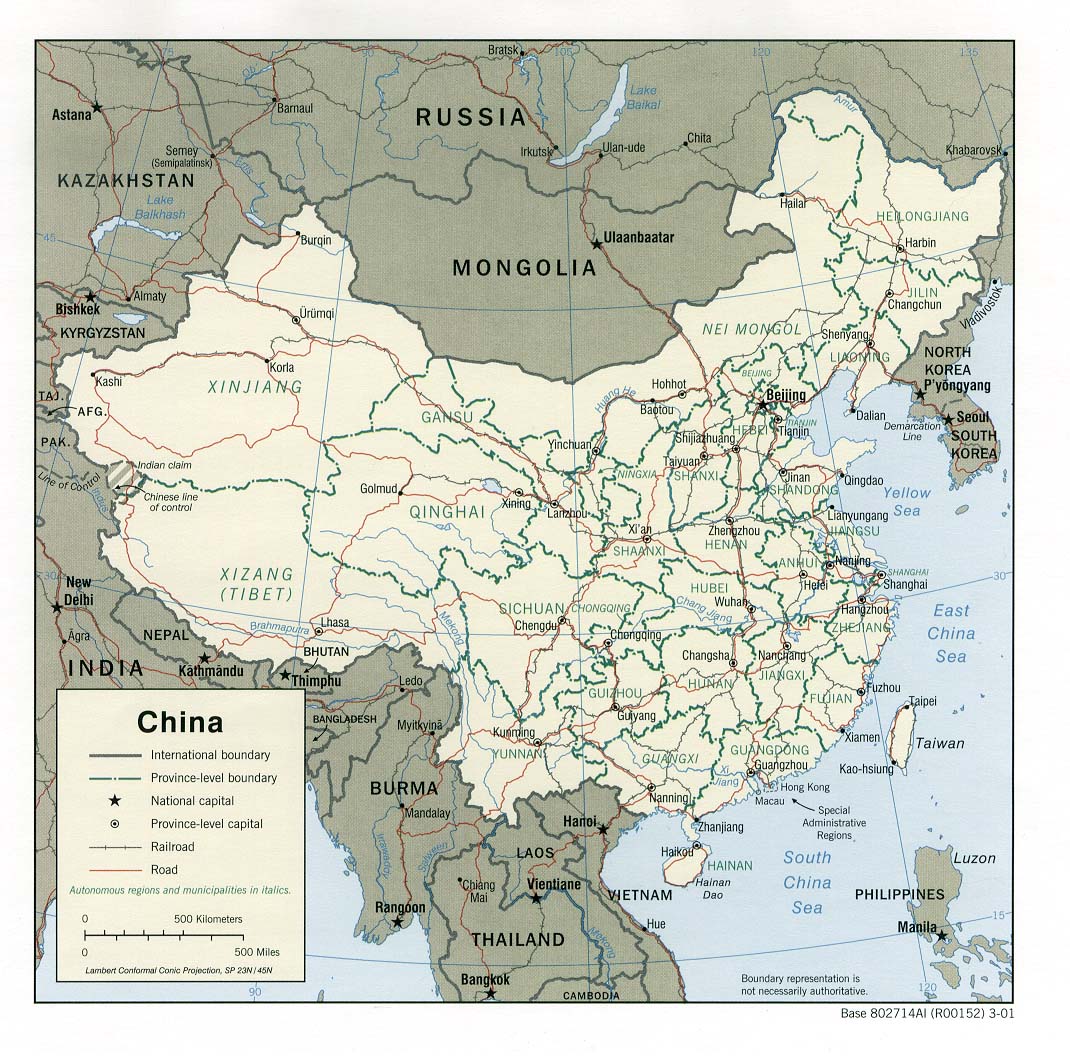
China grows almost exclusively Arabica coffee in the prefectures of Baoshan, Dehong, Pu'er, and Lincang in the Yunnan Province where the altitude ranges between 1,000 and 2,000 meters above sea level. Output is forecast at 1.9 million bags in 2024/25. While Catimor is the most common variety grown due to its higher resistance to diseases such as leaf rust, it sometimes produces an inferior flavor. In response to demand for higher quality coffee, growers have begun planting other Arabica varieties such as Bourbon and Typica which offer better flavor and more favorably compete with imports.