






Coffee farmers from Ghana to be trained in China to increase productivity
Nine hundred coffee farmers have been selected nationwide to be trained in six coffee-growing regions in Ghana to increase productivity. Ghana is following the steps which Uganda has achieved in short period to become Africa’s top exporter of coffee. President of Coffee Federation of Ghana, Chief Nat Nsarko said 350 of the selected farmers are from the Volta Region.
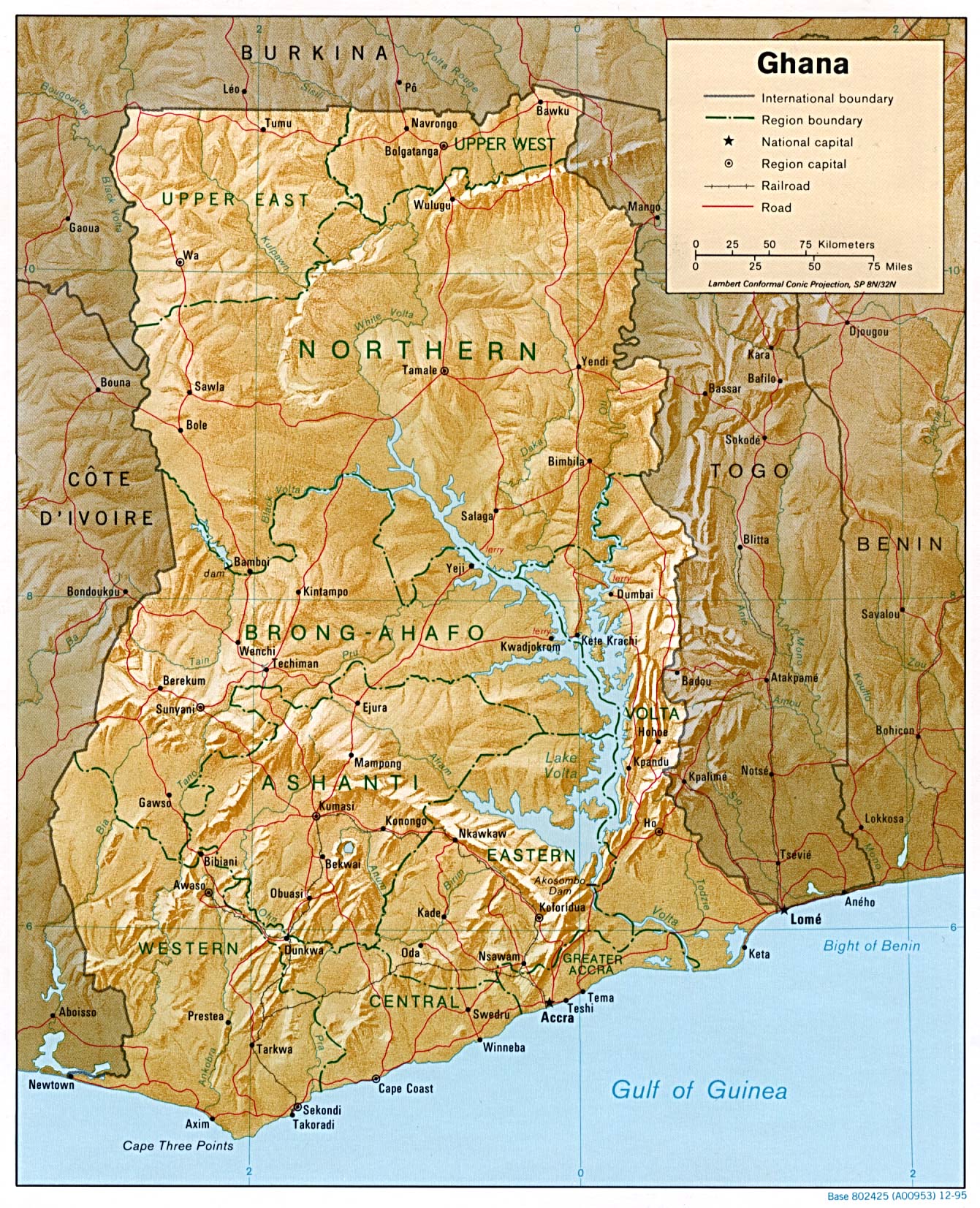
The training, being conducted with the Cocoa Research Institute of Ghana, (CRIG) seeks to address challenges faced by coffee farmers in the Eastern, Volta, Bono, Ashanti, Ahafo and Bono East regions.
Chief Nsarko noted that the main objective of the training was to equip farmers in modern methods of coffee farming so they could diversify and earn more from the sector.
Ghanaian President, Nana Akufo-Addo’s is said to be committed to give particular attention to be able generate more revenue and increase the nation’s export capacity in the near future.
The training workshops in China would be conducted over two weeks with a focus on harvesting techniques and post-harvest management of coffee. Participatory adult learning approaches will be used to conduct the training with a blend of theoretical and practical, hands-on sessions.




Earlier this year, the Coffee Federation of Ghana with its partners embarked on a field mission in some coffee-growing areas in Eastern, Volta, Ashanti, Bono and Bono East regions, to ascertain the state of coffee production in Ghana. It was also to identify the challenges associated with the value chain to set up priorities for sustainable impact in the development of the coffee sector.
The program is conducted under the ambit of Work Stream, one of the EU funded “Support to Business Friendly and Inclusive National and Regional Policies and Strengthening Productive Capabilities and Value Chains” Project.
The field visit revealed that the tonnage of coffee per acre per annum is on average seven bags with a myriad of challenges and production deficiencies. “These challenges include lack of market centres for the coffee beans, lack of capital to maintain coffee farms, no standardised price system for coffee, lack of hulling machines to grade the coffee beans.
“Lack of technical know-how on the part of farmers to carry out harvesting and post-harvest management practices, inadequate extension services to provide training on coffee handling and inadequate nurseries to produce coffee seedlings.”
The training is being funded through the International Trade Centre (ITC)/European Union (EU) and African, Caribbean and Pacific (ACP) Coffee Project.
It is also in partnership with the Organisation of African, Caribbean and Pacific States (OACPS) and L’Agence des Cafés Robusta d’Afrique et de Madagascar (ACRAM).
The collaborative effort to train the farmers and enhance their skills and knowledge base on coffee production and management is in line with the directive of President Akufo-Addo to stakeholders to help in achieving a GHC2 billion turnover income from coffee production.
“We recognise that coffee production is a lucrative business, which can offer massive employment to our teeming unemployed youths in the country. “Therefore, the Coffee Federation of Ghana will be rolling out a number of programmes next year, 2022 such as the ‘Youth in Coffee Production Programme,’ which seeks to support the youth in coffee agribusiness.”