

November 10 - 2021 Coffee Geography Magazine
Hawaii State Council passed a stricter resolution that changes the current state law
which allows distributors to use Hawaii names like Kona and Ka’u on coffee
products that contain as little as 10 percent of beans from the named area to
at least 51 percent Hawaii-grown to use geographic names in their labeling. The
present policy is too lenient and enables large distributors to push local
farmers out of the market. It’s also damaging to their brand
“When
consumers are misled into believing that ‘Kona’ blends are (genuine) Kona
coffee, and they are disappointed by the taste of those blends, our heritage
coffees … are permanently damaged,” coffee farmer Bruce Corker said during the
meeting.

The
resolution was introduced by Councilman HolekaInaba, from North Kona, Hawaii
who now plans to reach out to state legislators directly to facilitate swift
action at the next legislative session, which begins in January.
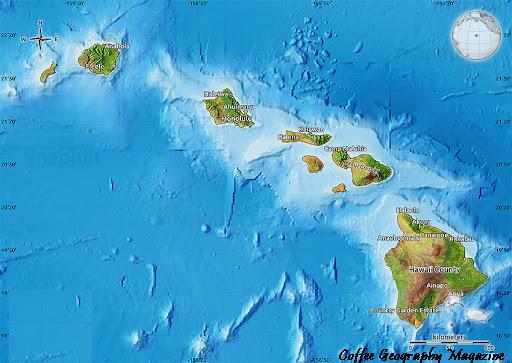







Roughly
600 Kona coffee growers, including Corker, filed a lawsuit against major coffee
retailers, including Safeway, Walmart, and Amazon, in 2019 for labeling coffee
that did not originate from Kona as “Kona” blends. Some of those companies have
offered preliminary settlements totaling more than $13 million, as it was
reported by CGM at the time.
Genuine Kona Coffee is highly prized throughout
the world for its full
bodied flavor and pleasing aroma. Coffee trees thrive on the cool slopes of the
Hualalai and Mauna Loa Mountains in rich volcanic soil and afternoon cloud
cover. ... Coffee trees typically bloom after Kona's dry winters and are
harvested in autumn.
The main differences between 100% Kona Coffee
and a Kona Blend is that a 10%
Kona Blend will taste like the predominate 90% cheaper coffee used in its blend. Almost none of the flavor notes that make 100% Kona Coffee
special will show through at such a low percentage.