Starbucks Tops 1,000 Coffeehouse Renovations Across North America
September 27 - 2026
Coffee Geography Magazine
Starbucks has completed more than 1,000 coffeehouse “uplifts” across the United States and Canada since late 2025, the company announced, marking a milestone in its broader Back to Starbucks plan to reinvest in the café experience. The Seattle-based chain says it now intends to complete at least 1,500 uplifts by the end of fiscal 2026, with further acceleration planned in fiscal 2027. The effort is also expanding into Mexico, where pilot locations are underway.
The redesign program began as a test in Southern California and New York before moving to other cities, including Chicago. According to Starbucks, the updated cafés emphasize softer seating, layered textures, artwork, greenery, and design details drawn from local neighborhoods. The company’s stated goal is to make its coffeehouses feel more welcoming, encouraging customers to stay longer, connect more, and feel at home.






That ambition is tied to Starbucks’ long-standing “Third Place” positioning—a space between home and work. In its announcement, the company described the current phase as a shift from early test-and-learn pilots to a broader rollout focused on improving the coffeehouse experience and strengthening its role in communities.
The expansion is moving through a growing list of North American markets. In the U.S., uplifts are underway in Atlanta, Austin, Dallas, Houston, Miami, Nashville, Orlando, Seattle, and Washington, D.C., among others. In Canada, work is focused on Toronto, Vancouver, and Calgary. In Mexico, Starbucks is piloting uplifted locations in Mexico City, Monterrey, Acapulco, and Ensenada, with plans for additional sites as part of a wider reinvestment in that market.
The company has highlighted several locations as examples of how the approach adapts to local geography and history.
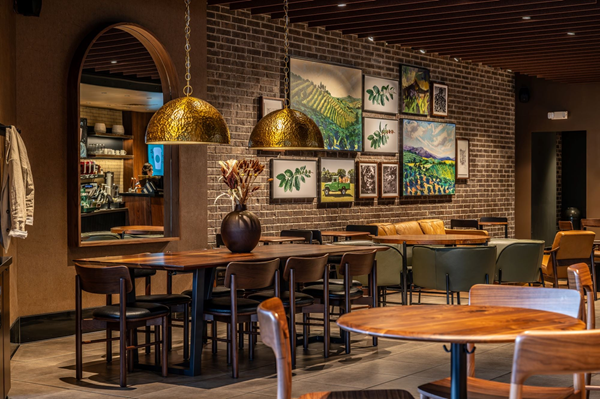
Starbucks-Bee-Caves-Austin
In Austin, Texas, the 360 & Bee Caves coffeehouse was uplifted through Starbucks’ Military Family Coffeehouse program. The store serves a community with strong military ties, and its design incorporates elements honoring military service while providing a gathering space for service members, veterans, military families, and neighbors.
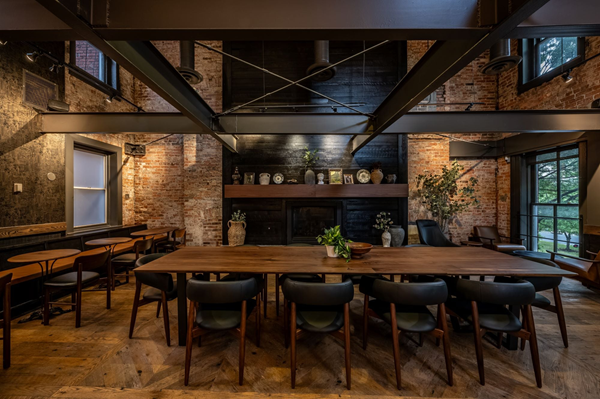
Starbucks-Capitol-Hill-Washington-DC
In Washington, D.C.’s Capitol Hill neighborhood, a Starbucks that has operated for 25 years was updated to honor the area’s architectural character and national heritage. The redesign includes locally inspired artwork, reclaimed wood floors, preserved architectural details, layered materials, and ambient lighting.
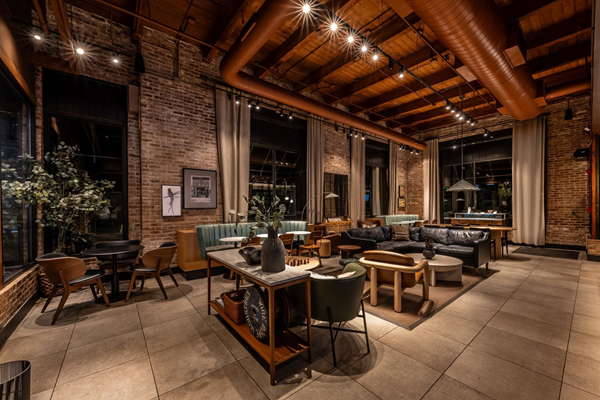
Starbucks-Chestnut-Spruce-Chicago
Near Chicago, the Chestnut & Spruce coffeehouse in downtown Winnetka occupies a historic building once known as “The Laundry.” The uplift preserves original brick walls and timber ceilings while adding new gathering spaces, enhanced lighting, and locally inspired elements.
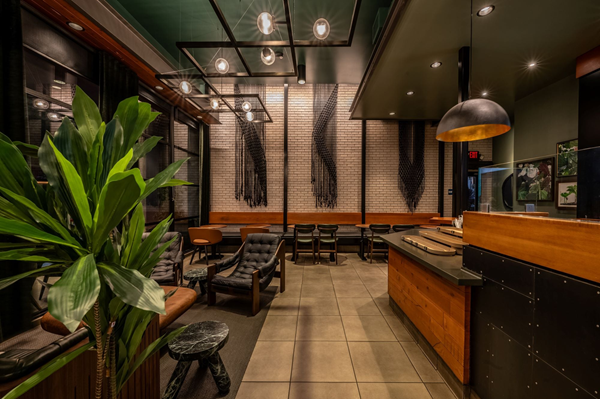
In Los Angeles, the Starbucks at Wilshire and Santa Monica Boulevards in Beverly Hills draws on one of the city’s well-known crossroads. The redesign includes an installation by a local artist, painted brick walls, green accents, rugs, plush seating, and velvet drapery, with artwork referencing the palettes of Beverly Hills’ retail destinations.
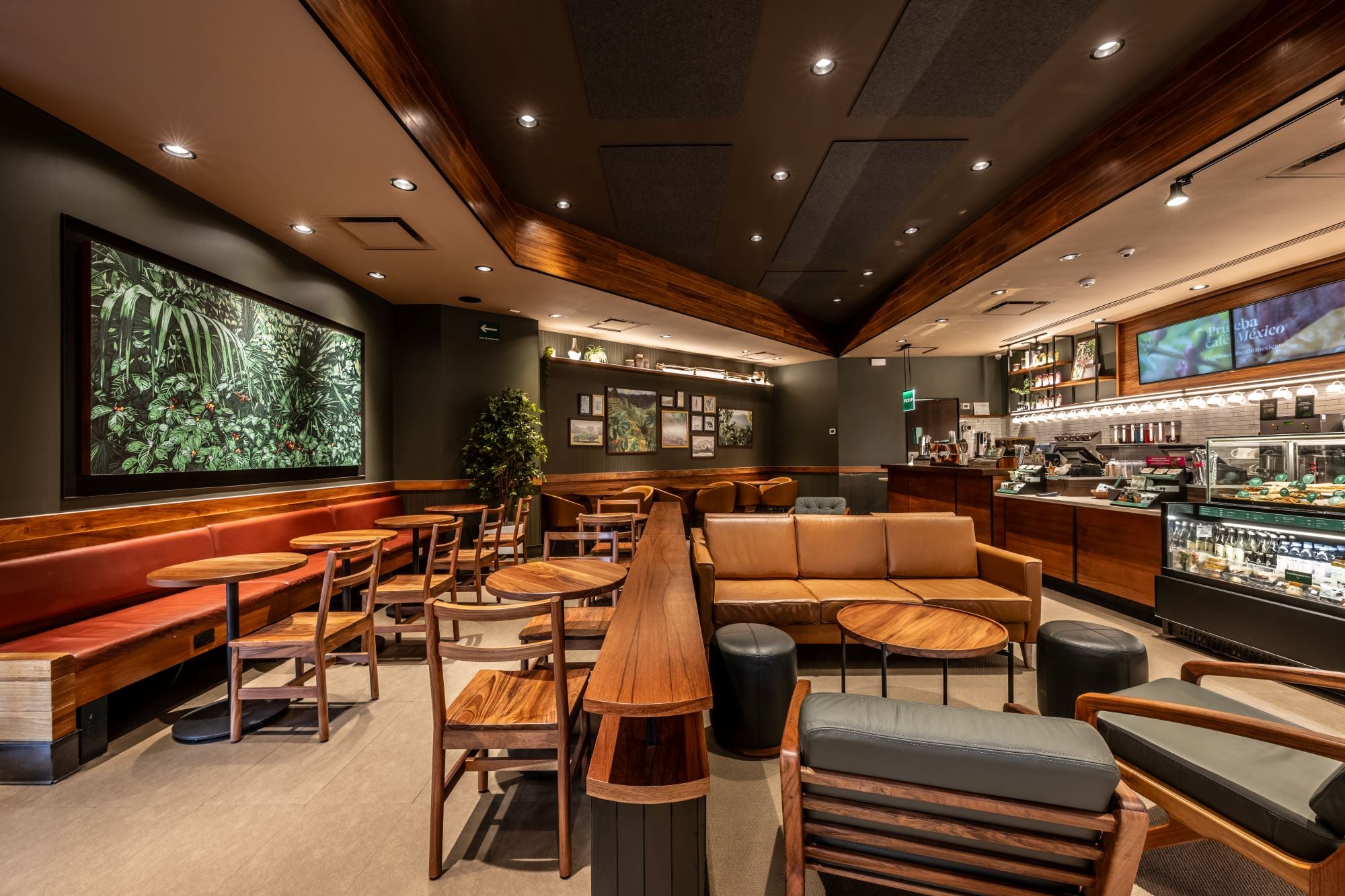
Starbucks-Punta-Norte-Coffeehouse
In Mexico City, the Punta Norte coffeehouse is among the first selected for Mexico’s uplift pilot. Located in one of the area’s largest shopping destinations, it features inviting seating, layered materials, locally inspired artwork, and a redesigned espresso bar intended to bring customers closer to the craft of beverage preparation.
Starbucks says the coffeehouse uplifts are only one part of its Back to Starbucks effort. The company has also introduced Green Apron Service standards, brought back ceramic cups and glassware for customers who stay, reintroduced condiment bars, and expanded access to power outlets, among other changes.
Together, the company frames these moves as a transition from pilot to scale—an attempt to bring a more welcoming, comfortable, and connected café experience to more communities across North America and beyond. The initiative also reflects a broader industry question: how global coffee chains balance consistent brand identity with the distinct histories, materials, and social rhythms of the neighborhoods they serve.