Vietnam's Coffee Boom Came at Cost of Forests, But Producers Eye Sustainable Shift
August 2 - 2026
Coffee Geography Magazine
Vietnam’s meteoric rise as the world’s second-largest coffee producer has left a lasting scar on its environment, with a new investigation revealing that nearly 60% of the tropical forest cover in its key growing region has vanished over the last three decades. However, as climate change now threatens the very future of the crop, authorities and industry leaders are pushing for a radical pivot away from expansion and toward sustainability.
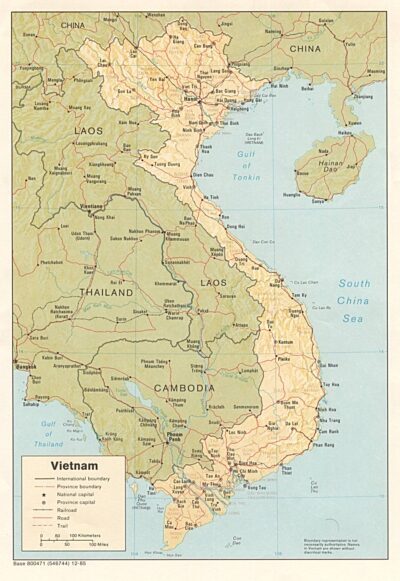
According to a report published by the Berlin-headquartered watchdog group Coffee Watch, forest cover in Vietnam’s Central Highlands—which produces a staggering 95% of the country’s coffee—plummeted from 42.8% in 1990 to just 19% by 2020. The analysis, which cross-referenced satellite data with government records, found that the most rapid clearing occurred between 1995 and 2010, driven largely by historical government policies and international development financing that incentivized the aggressive expansion of Robusta plantations.

Vietnam currently supplies nearly 40% of the world’s Robusta coffee exports, making it a vital player in the global caffeine supply chain. Yet the ecological cost has been severe. Coffee Watch warns that the deforestation has resulted in fragmented wildlife habitats, accelerated soil erosion, and created a "nutrient treadmill"—a phenomenon where farmers must apply increasing amounts of chemical fertilizer just to maintain yields in progressively exhausted soils.
The report further warns that the loss of tree cover has critically disrupted water flow, soil stability, and carbon storage in the region. Compounding these man-made pressures, climate change is now emerging as an existential threat. Coffee Watch projects that up to 50% of Vietnam’s Robusta belt could become unsuitable for cultivation owing to rising temperatures, erratic rainfall, and an increased prevalence of pests.
In response to the findings, the Vietnamese Ministry of Agriculture and Rural Development acknowledged the historical link between coffee cultivation and forest loss but emphasized that the national strategy has fundamentally shifted. Officials noted that current policies strictly prohibit the conversion of natural forests for agricultural expansion.
"The coffee sector is now shifting its focus toward improving the productivity, resilience, and sustainability of existing coffee-growing landscapes rather than further expansion," a ministry representative stated, making it clear that the era of clearing land for new plantations is over.









Industry expert Minh Hai echoed this sentiment, agreeing that climate volatility is placing unprecedented strain on growers. He argued that immediate, targeted support is required to secure the industry’s future without incurring further environmental damage.
"Farmers urgently need help adapting," Minh Hai said, outlining a multi-pronged strategy. This includes rejuvenating or replanting aging, low-yield coffee trees and introducing intercropping—such as planting shade trees—to break away from harmful monocultures. He also advocated for adopting climate-smart regenerative farming practices, improving water-use efficiency, and helping farmers boost their incomes from existing plots rather than encroaching on natural forests.
As global demand for Robusta remains robust, Vietnam's coffee industry now faces a delicate balancing act: healing the scarred highlands of the past while inoculating its agricultural heartland against the climatic shocks of the future.