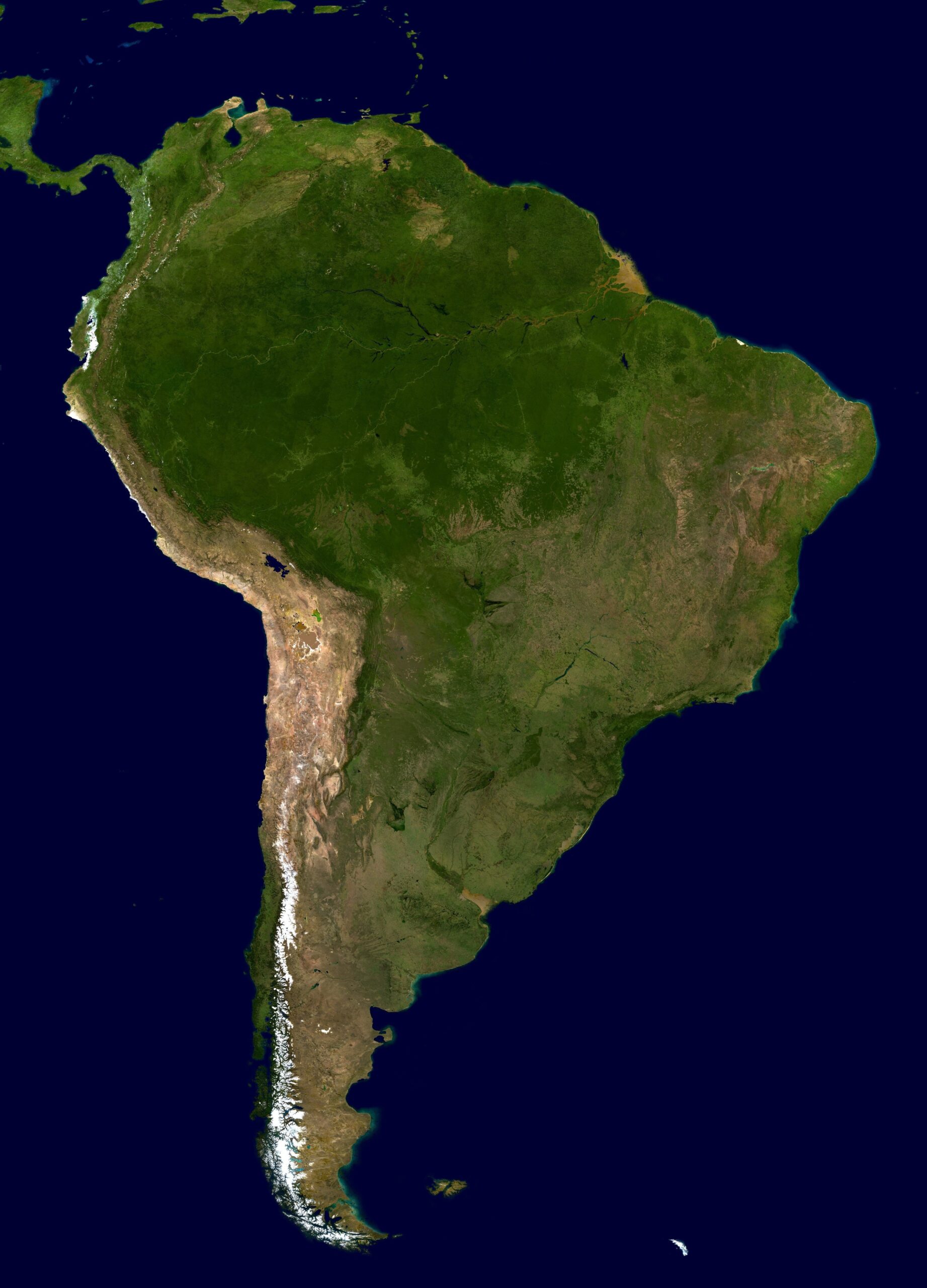
Brazil’s coffee export hits record high with 47.3 million bags
July 13 - 2024
Coffee Geography Magazine
Brazilian coffee exports reached a historic volume of 47.300 million 60 kg bags in the 2023/24 crop year, which implies an increase of 32.7% compared to the 35.632 million recorded from July 2022 to June 2023. The current amount, shipped to 120 countries, also represents a growth of 3.6% over the previous record, of 45.675 million bags in the 2020/21 cycle. The data are part of the monthly statistical report of the Brazilian Coffee Exporters Council (Cecafé).
There was also a 20.7% increase in foreign exchange revenue from shipments made in the last 12 months ending in June. The value jumped from US$ 8.142 billion in the 2022/23 season to the current US$ 9.826 billion. This figure is the highest in the history of the survey of Brazilian coffee exports, which began in 1990.
The performance was achieved with the 3.573 million bags sent abroad by the country in June, the highest amount recorded for this month each year, and the US$ 851.4 million in revenue, also a record for the month of June.
Thus, shipments of coffee from Brazil in the first half of 2024 totaled 24.286 million bags, generating US$ 5.331 billion, levels that imply increases of 49.6% and 50%, respectively, also measuring historical performances for this six-month interval.
According to the president of Cecafé, Márcio Ferreira, the result achieved by Brazilian exports reflects disparate contexts in the coffee market, involving less availability from other producing origins, but also the continuation of intense problems in logistics.
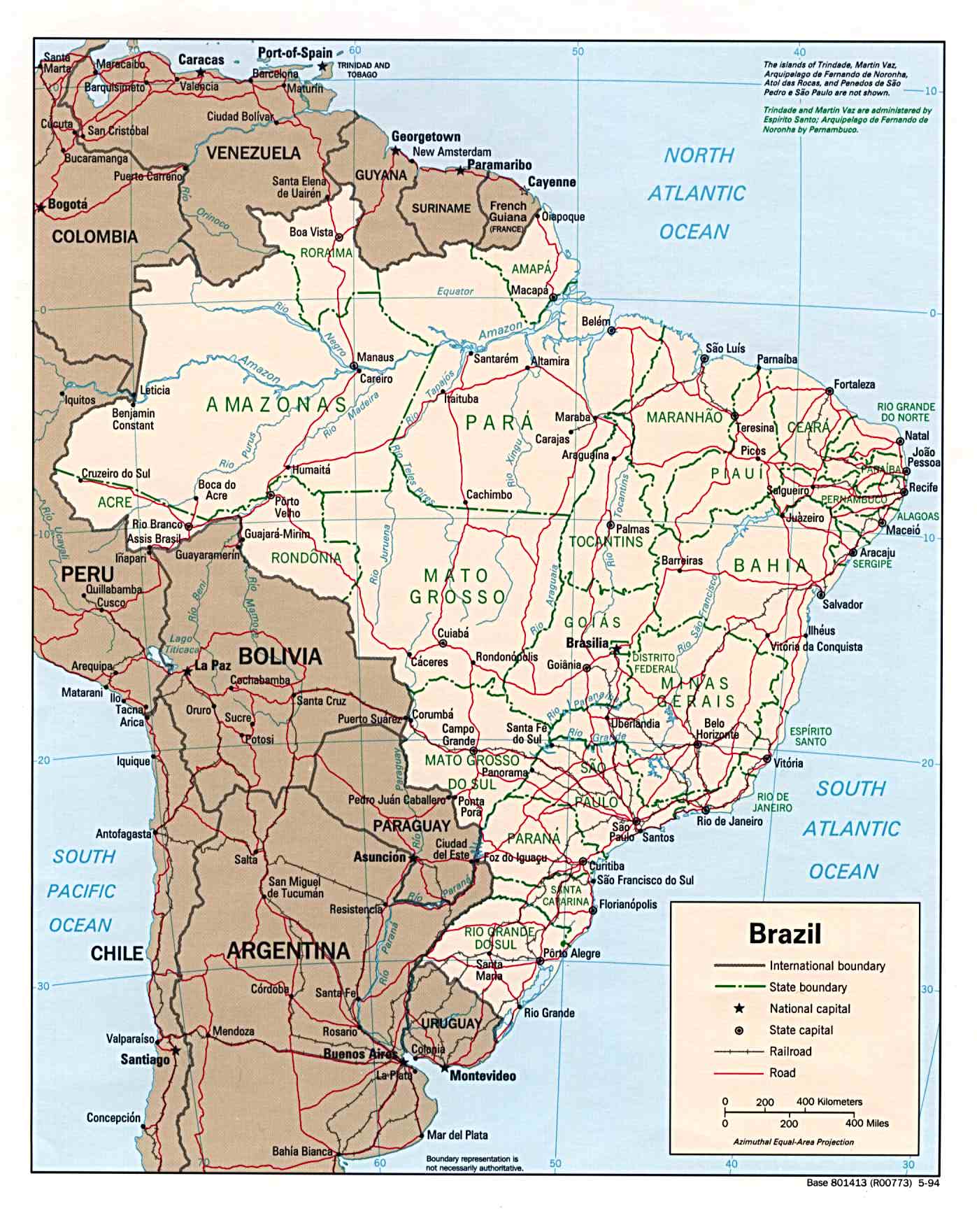
“On the positive side, Brazil, with a better harvest, after two smaller harvest cycles, expanded its market share in global trade, occupying spaces left by reduced supply from other producers, such as Indonesia and Vietnam, mainly with national conilon and robusta”, he explains.
He highlights that another positive point is the record foreign exchange revenue, which reflects good moments of growth in the international market throughout the 2023/24 harvest. “Arabica and canephora coffees ( robusta + conilon ), as well as the soluble product, had their highest foreign exchange revenues in history, which enabled the record entry of foreign currency into the country, a slight alleviation of the high costs in the cash flow of exporters and, mainly, significant transfers of the FOB value ( Free on Board ) to producers, at an average of 85%”, he comments.
“On the other hand,” says Ferreira, “we continue to face intense logistical bottlenecks, problems abroad due to ongoing geopolitical conflicts, and, internally, the depletion of Brazil’s main port, in Santos (SP), which has generated high additional and unforeseen costs for exporters, who, even so, are struggling to honor their commitments to international customers and maintain Brazil as the main global player .”
According to figures from the Detention Zero Bulletin (DTZ), prepared by ElloX Digital in partnership with Cecafé, 254 vessels destined for coffee exports suffered delays or changes in port calls at Brazilian ports in June, a number that represented 62% of the 413 container ships handled last month. In Santos alone, 118 vessels had delays in the shipping process, or 82% of the total.

The Port of Santos was the main exporter of Brazilian coffee in the 2023/24 harvest year, with the shipment of 32.607 million bags, which corresponds to 68.9% of the total volume traded. Despite the leadership in the ranking, this is the lowest percentage of representation of the Santos port in history – which once reached 85% –, which highlights its exhaustion and signals more difficulties for the second half of the year, when exports of containerized cargo increase.
Next comes the Rio de Janeiro maritime complex, which increased its share to 28.1% of exports, already absorbing “cargo leaks” from Santos, by sending 13.269 million bags abroad in the 2023/24 season; and the Port of Paranaguá (PR), with the shipment of 465,770 bags and a representation of 1%.
From July 2023 to June 2024, Arabica coffee, with 35.431 million bags, continues to be the most exported by Brazil. This amount represents 74.9% of the total and implies an increase of 16.7% compared to the 2022/23 harvest year.
The canephora species is the main highlight of the period, increasing its share to 17.4% of the total. In the 2023/24 coffee season, 8.238 million bags of Brazilian conilon and robusta coffees were shipped, which represents a substantial increase of 461.1% compared to the same previous period.
The soluble coffee segment, with 3.585 million bags – a drop of 4.7% and 7.6% of the total –, and the roasted and roasted and ground product section, with 45,445 bags (-5.2% and 0.1% of representation), complete the list.
“The record performance of canephora coffees is the result of decades of investment in research and technology, which have increased quality and productivity through sustainable cultivation, enabling this species and its varieties to have volumes and sensory attributes that allow Brazil to increase its share in the global market, meeting the growing global demand. To a lesser extent, Arabica coffees have also been playing this role,” says the president of Cecafé.
The 10 main buyers of Brazilian coffee increased their purchases during the 2023/24 harvest. The United States tops the ranking, having imported 7.062 million bags, or 2.8% more than in the previous cycle, which is equivalent to 14.9% of total exports.
Germany, with a share of 13.8%, acquired 6.508 million bags (+26.1%) and ranks second in the table. Next comes Belgium, with the purchase of 3.868 million bags (+111.5%); Italy, with 3.774 million bags (+26.3%); and Japan, with 2.471 million bags (+20.2%).
Up to tenth place, the performances of the United Kingdom, sixth in the ranking, stand out, with the import of 1.738 million bags, a volume that implies growth of 137.4% in relation to the 2022/23 coffee season; and China, seventh placed, which registered the greatest evolution in the purchase of the Brazilian product in the period, of 186.1%, by acquiring 1.646 million bags in the 12 months of the 2023/24 harvest.









By economic blocs, it is worth highlighting the growth in shipments of Brazilian coffee to the European Union, the main buyer of the product, amid the approaching entry into force of the EU Regulation for Deforestation-Free Products (EUDR), starting on January 1, 2025. In the 12 months of the 2023/24 season, Brazil exported 21.288 million bags to this destination, or 37.7% more compared to the same previous period.
In percentage terms, it is also worth highlighting the 136.3% increase in shipments to other BRICS countries (2.843 million bags); 108.2% to Arab countries (2.229 million bags); 55.4% to nations that make up the Trans-Pacific Partnership – TPP (6.143 million bags); 50.8% to Eastern Europe (1.475 million bags); and 48.9% to the Middle East (3.119 million bags).
Differentiated coffees, which are those that have superior quality or are certified for sustainable practices, account for 18.6% of total Brazilian exports of the product in the 2023/24 harvest year, with a volume of 8.799 million bags sent abroad. This performance represents a growth of 45.4% compared to that recorded in the 2022/23 coffee cycle.
The average price of the product was US$ 229.15 per bag, generating foreign exchange revenue of US$ 2.016 billion, which corresponds to 20.5% of that obtained from total coffee shipments from July last year to the end of June this year. In relation to the 2022/23 season, the value is 28.4% higher than that recorded in the same 12 previous months. \
In the ranking of the main destinations for Brazilian differentiated coffees in the 2023/24 harvest, the USA occupies the lead, with the import of 1.852 million bags, equivalent to 21.1% of the total of this type of product exported.
Completing the top 5 are Germany, with the acquisition of 1.544 million bags and a representation of 17.5%; Belgium, with 957,999 bags (10.9%); the Netherlands, with 649,966 bags (7.4%); and the United Kingdom, with 376,872 bags (4.3%).