






Vietnam projected a $6 billion coffee export target by 2030
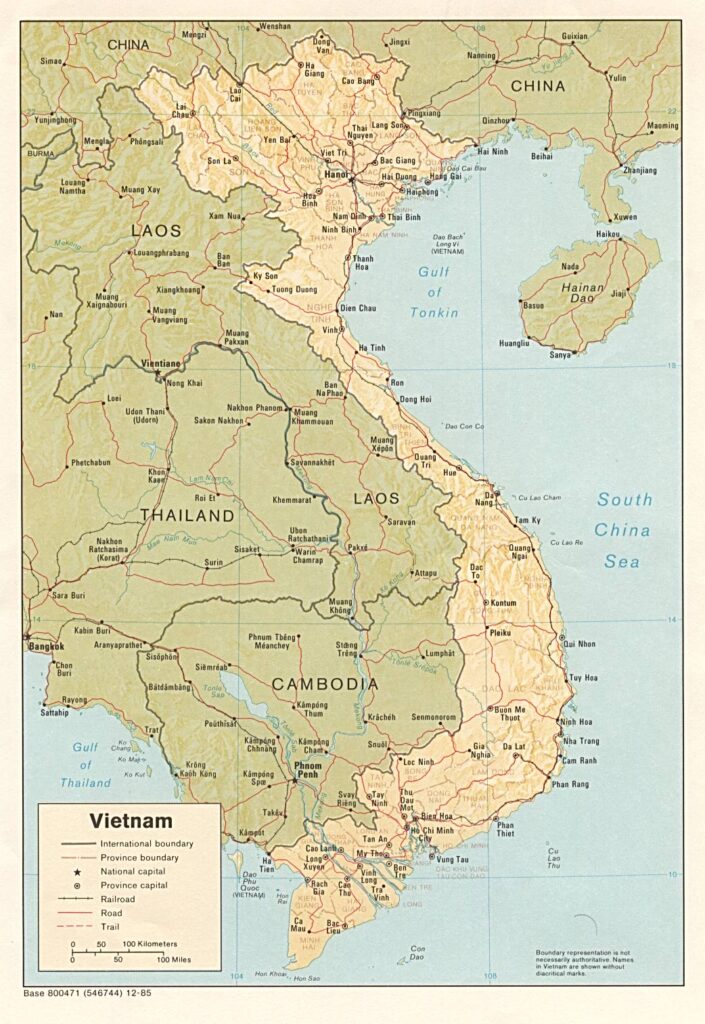
Coffee export from Vietnam is recorded a 26.2 per cent increase in 2021 from the previous year. With continuous growth rate, a targeted coffee export turnover of US$5-6 billion in 2030 is projected by the Vietnam Coffee and Cocoa Association, doubling the current export value.
The domestic coffee industry needs to increase the roasting coffee segment from less than 10 per cent at present to about 25 per cent or even more to meet the target plan, according to the association. However, increasing the roasted coffee volume is a big challenge for the industry due to the level of technology and branding capacity in the complex global coffee market. At present, Vietnam has 160 coffee roasting facilities, 11 coffee blending facilities and eight instant-coffee processing facilities. The number of instant-coffee processing facilities is small and most of them are operating below their designed capacity. On the other hand, Vietnam’s roasted coffee brands are not yet introduced in the world market as branding takes huge investment and risks to achieve the result.
In 2021, Vienam’s coffee exports reached 1.52 million tonnes, worth of about $3 billion, down 2.7 per cent in volume, but up 9.4 per cent in value year on year. Last year, the country mainly exported Robusta coffee.
According to the MoIT's Import and Export Department, loosening social distancing measures due to COVID-19 has created more favorable conditions for customs clearance, and higher coffee demand on the world market, which were the factors to make the coffee exports recover at the end of 2021.
Deputy Minister of Industry and Trade Đỗ Thắng Hải said that to gain the target of $6 billion, Vietnam’s coffee industry needed to strengthen connection between production and trade, expand export markets and develop products associated with brand building, towards building a sustainable coffee value chain.




According to the Minister of Agriculture and Rural Development Lê Minh Hoan, if the coffee industry wants to have sustainable development, there must be linkages among provinces or economic regions to form a larger-scale production area and build a brand for Tây Nguyên coffee. The Ministry of Agriculture and Rural Development (MARD) will continue to implement projects on sustainable development for the domestic coffee industry.
For the Central Highlands provinces, the ministry will set up logistics infrastructure for the coffee industry to create higher coffee value and more processed products. This will form a coffee production chain to increase value of coffee beans and income for coffee producers.
"The Europe-Việt Nam Free Trade Agreement (EVFTA) has opened up great opportunities for the domestic coffee industry. In the future, the ministry will develop its projects on exporting agricultural products to the EU, including coffee. At the same time, it will also have a strategy for Vietnamese agricultural products to enter large distribution systems in Europe," Hoan said.
"If Central Highlands coffee wants to reach out to the world market, it needs to change production, harvesting and processing in accordance with climate change and green consumption of the world market.”
The coffee industry needs to restructure effectively, including building a specialized cultivation area associated with the development of coffee processing; and application of advanced technology. The industry must have solutions to remove difficulties and support for farmers and businesses in attracting investment; apply science and technology for production; and improve quality of human resources.
Branding also needs special attention as Vietnam’s coffee is unknown on the world market. The local enterprises need to survey terms of market share, taste, quality, and price. They must determine the proportion of processed products to build a clear development direction, advertising, marketing and brand positioning strategies.