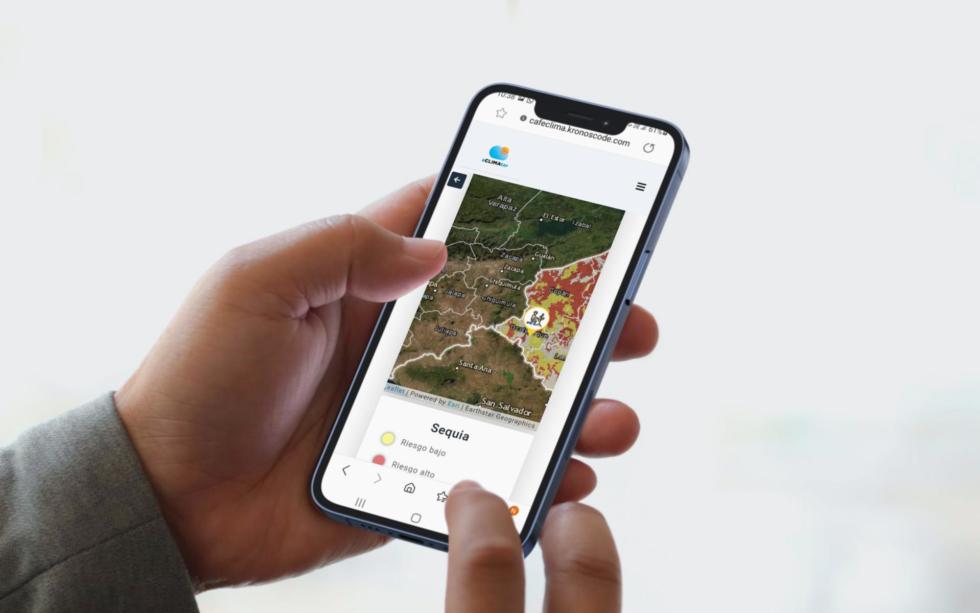
aCLIMAtar web portal
designed for precision exploration of coffee farms
August 1 - 2021
Coffee Geography Magazine
The Alliance of Bioversity International, the International
Center for Tropical Agriculture (CIAT), and Hanns R. Neumann Stiftung (HRNS) have launched “aCLIMAtar”,
an online platform that allows users to explore the coffee regions of their
interest via an online map and take proper action to face production risks
caused by climate change.
“After the successful experience of CIAT,
Rikolto and World Cocoa Foundation (WCF) in developing an online platform that
provides climate information about the cocoa-growing territories in Central
America and the Caribbean, HRNS partnered with CIAT to adopt this platform in
Central America for coffee as well”, explains Pablo Ruiz, Executive Manager at
HRNS in Central America.
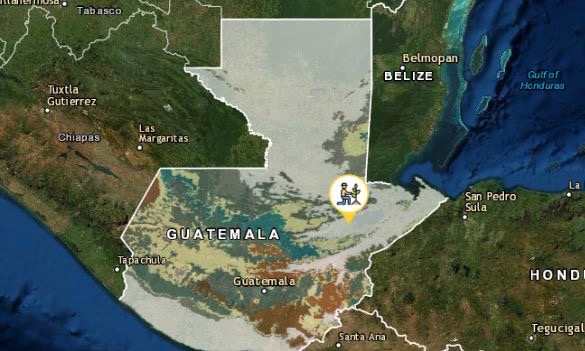
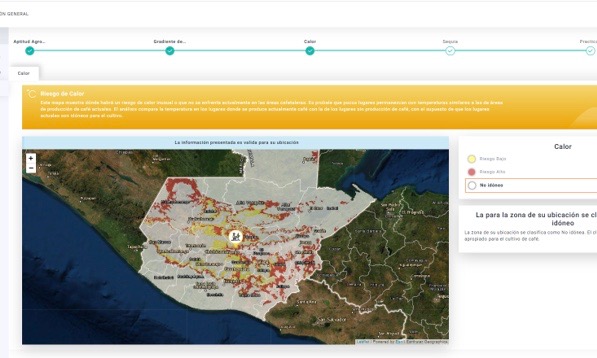
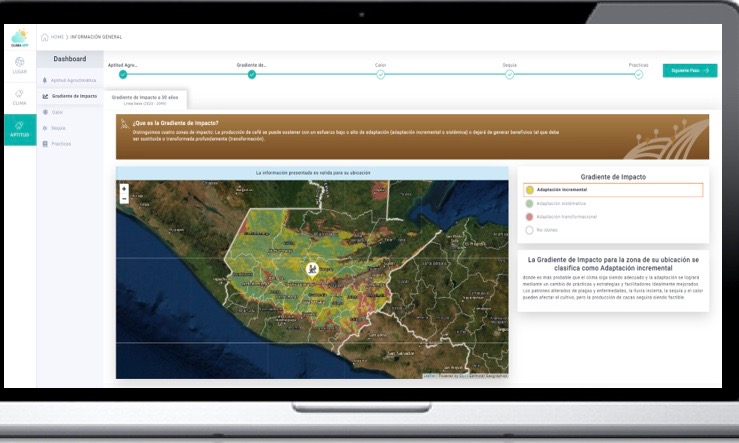
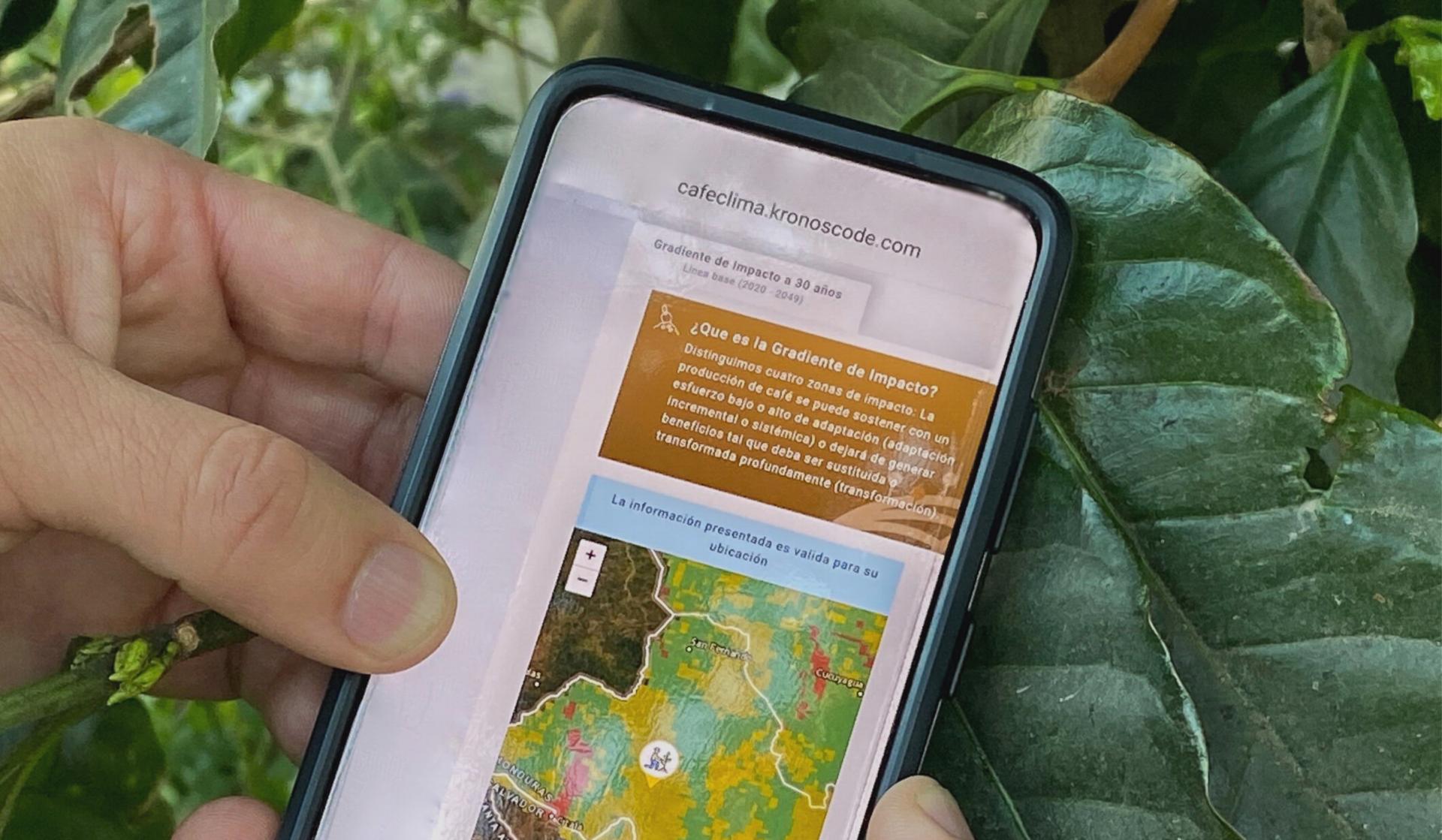
The online platform compiles real-time climate
information and provides users that usually do not have access to this
information, such as smallholder farmers and technicians, with specific
information on the current and future climate impacts of each region and data
on climate suitability and future stresses for coffee. aCLIMATAR is free to
use and is available in Spanish. Data on coffee is available for Honduras, El
Salvador, Guatemala, and Nicaragua at the moment.
“While some regions in Central America will
remain climatically suitable for coffee, others will require different levels
of adaptation to bring coffee production forward and avoid losing significant
territories” describes Jenny Wiegel, scientist at Alliance of Bioversity
International and CIAT. Apart from providing real-time climate information, the platform delivers
practical suggestions on which climate-smart agricultural practices should be
implemented in the territory that is looked up. “This is
what makes aCLIMAtar unique. The goal is to keep territories suitable for
coffee production”.
All of the practices suggested by aCLIMAtar
have been validated by the initiative for
coffee&climate’s (c&c) toolbox. The c&c
toolbox, developed by HRNS, is a compilation of field-tested tools, case
studies, guidelines, and training materials. It equips farmers and farming
communities with valuable information about farming techniques and practices
that are climate resilient. The tools are identified and tested alongside with
farmers, extensionists and some of the world’s leading climate experts.
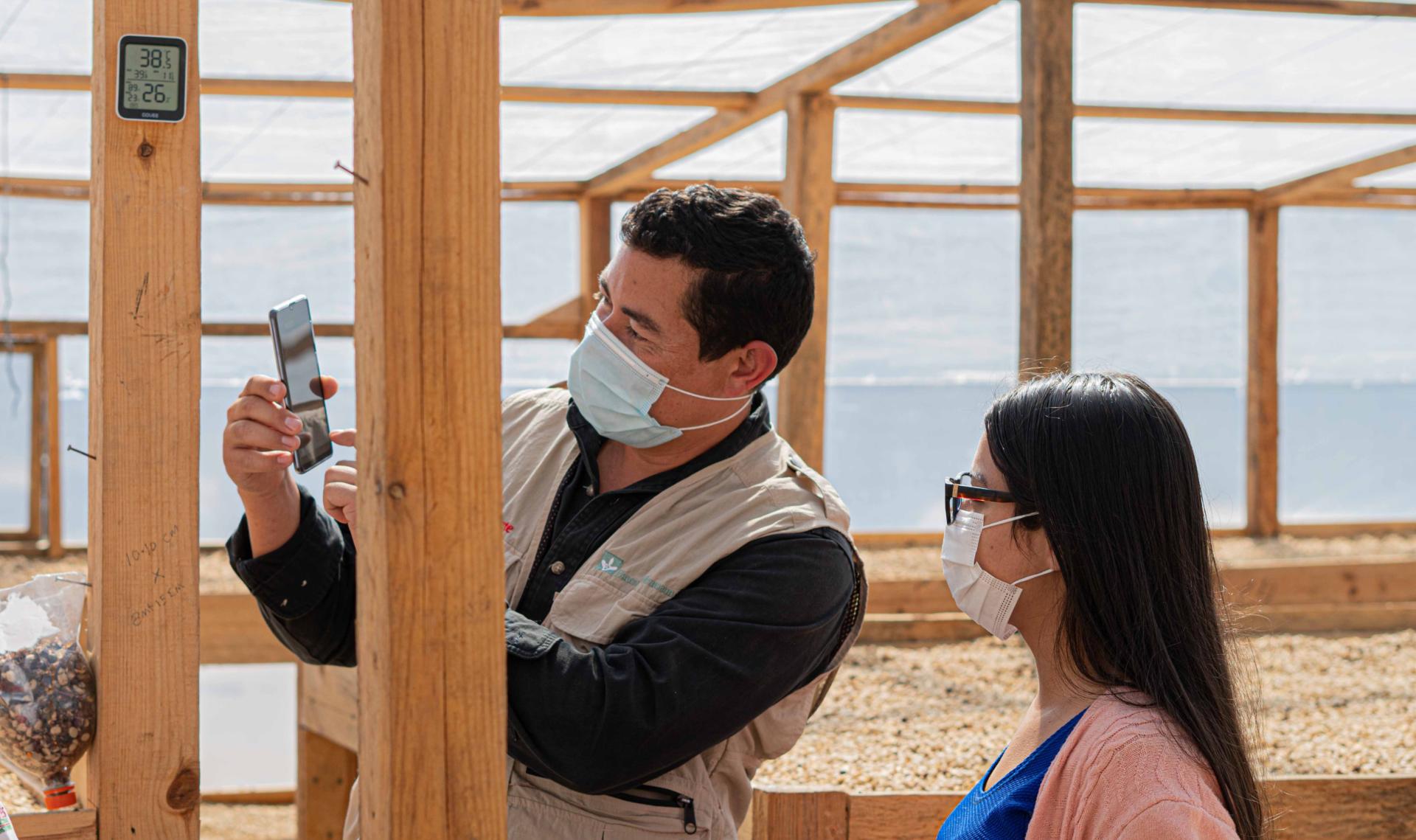
aCLIMAtar was officially launched during
the “Technological
Innovation and Climate Change” webinar, hosted by HRNS. During
the webinar, special guests from the coffee sector including Michael Opitz –
Managing Director at HRNS, Verónica Rossi – Sustainability Manager at Lavazza
Foundation and René León – Executive Secretary at PROMECAFE, discussed about
the importance of using technology as a tool to adapt to climate change.
Current challenges faced by smallholders were highlighted, and what solutions
are available were discussed.