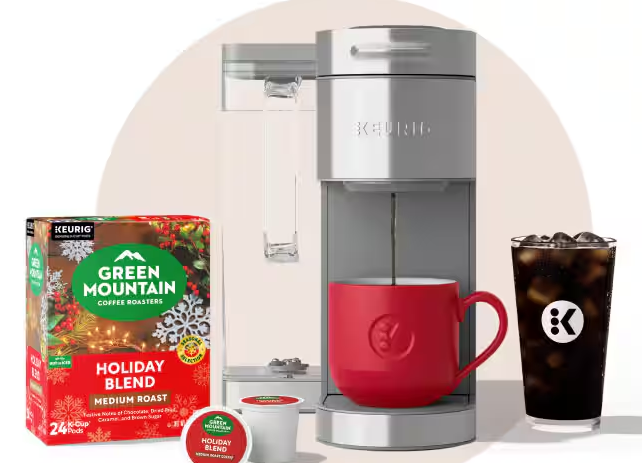
Keurig to Face Jury Over Allegations of Monopolizing K-Cup Market
November 4 - 2026
Coffee Geography Magazine
After twelve years of litigation, a federal judge has cleared Rogers Family Coffee’s antitrust and false advertising claims for trial, potentially exposing Keurig to over $1.5 billion in damages.
Keurig Green Mountain must now face trial over claims that it illegally monopolized the K-Cup market after its key patents expired in 2012. U.S. District Judge Vernon S. Broderick of the Southern District of New York issued a 139-page summary judgment ruling on September 18, 2026, finding sufficient disputed evidence to send several core antitrust claims to a jury.
The long-running multidistrict litigation (MDL) dates back over a decade, with plaintiffs including Rogers Family Coffee—the California company behind San Francisco Bay Coffee—and private-label manufacturer TreeHouse Foods. The surviving older cases collectively seek more than $1.5 billion in damages, according to Keurig Dr Pepper’s regulatory disclosures. Keurig disputes both liability and the amounts sought.
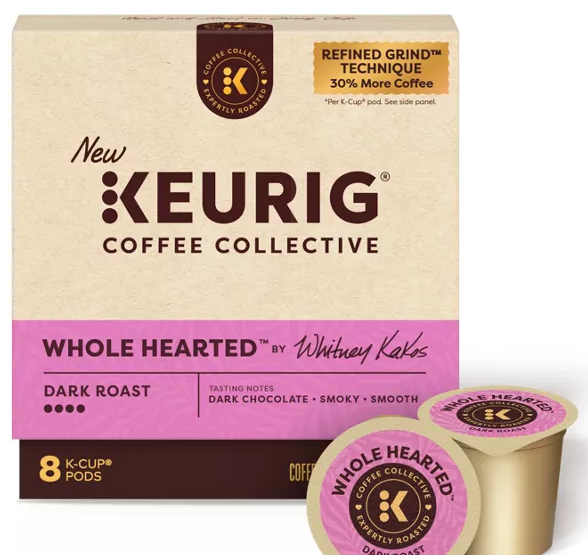
The dispute traces back to 2012, when patents covering the K-Cup system expired. Until then, patent law gave Keurig the legal right to exclude competitors. Once those protections ended, rival manufacturers gained greater freedom to sell compatible pods, including lower-priced alternatives. The plaintiffs allege Keurig responded by using exclusive contracts with roasters, suppliers, and distributors to preserve its market position and stifle competition.
Judge Broderick allowed monopolization, exclusive-dealing, tying, and certain false-advertising allegations to proceed. He found a genuine dispute of material fact as to whether Keurig’s agreements, in aggregate, resulted in substantial foreclosure of the market. The Court also sided with plaintiffs on the brewer market, denying Keurig’s motion for summary judgment on monopoly power there. “Considering the market as a whole, there are no circumstances that would tend to rebut the inference of monopoly power that I must draw from Keurig’s consistently high market share,” Broderick wrote.
On the tying claim, the Court stated plaintiffs “have done enough to show that the only viable option for purchasers is to purchase the tying and tied products together in a single package.” Regarding consumer harm, the judge noted “sufficient evidence to tend to suggest that Keurig’s behavior reduced output and raised prices in the market.”
A particularly sharp rebuke came on the false advertising claims. The Court found that Keurig’s safety and performance statements about non-compatible cups—claiming they decreased brewer performance and posed safety threats—were “literally false” and not reliant on any evidence. The Court also held that Keurig’s statements denying competing pods worked with its brewers were literally false once Keurig knew otherwise.
The ruling narrowed the case in several areas, removing theories based on Keurig’s 2.0 brewer redesign, certain retail agreements, and earlier patent lawsuits. However, the core case built on exclusionary contracts and false statements remains intact.








The human toll of the litigation is significant. Rogers Family Coffee filed suit in 2014, and both of the company’s founders died before the case could be tried. The court also sanctioned Keurig in a separate July 2025 spoliation order for failure to preserve evidence and produce transactional data, ordering Keurig to pay attorney’s fees.
“For twelve years, Keurig has tried to keep this case from a jury, and on the issues that matter most, it has failed,” said Daniel Johnson Jr. of Dan Johnson Law Group, counsel for Rogers Family Coffee. “A federal judge has now found that Keurig’s warnings about competitors’ coffee pods were literally false, and that a jury must decide whether Keurig held monopoly power, used its contracts to shut out competitors and illegally tied the sale of its brewers and pods.”
Economists estimated Keurig’s anticompetitive conduct resulted in approximately $390 million in antitrust damages (pre-trebling) plus roughly $109 million in disgorgement tied to false-advertising claims through mid-2025. Rogers Family Coffee has asked that its case be returned to California for trial, where proceedings could begin as early as the second quarter of 2027, though no trial date has been set.
For the coffee industry, the case underscores the high stakes of post-patent market conduct. As Rogers Family Coffee CEO Lisa Smoot stated, “This is a huge win for us. Our family company has been pursuing justice for over a decade. We remain committed to seeing this through to a just decision.”