Hanns R. Neumann Stiftung Leads Green Enterprise Push in Yayu Coffee Forest
September 17 - 2026
Coffee Geography Magazine
For the Hamburg-based Hanns R. Neumann Stiftung (HRNS), the Yayu Coffee Forest Biosphere Reserve is more than a conservation site. It is a test of whether a development organization built on empowering smallholder coffee farmers can also pioneer a model where young people earn a living by restoring the very landscape their communities depend on.
HRNS, an independent, not-for-profit foundation founded by the Neumann family, has a clear mission: to empower smallholder coffee farmers and foster their development into strong, resilient entrepreneurs. In Ethiopia, that mission has been operational for over a decade through HRNS-Ethiopia (HRNS-ET), which has improved the livelihoods of more than 70,000 smallholder families in Amhara and Oromia by strengthening farmer organizations, promoting gender equality and youth development, enhancing market linkages, and building climate-resilient agricultural practices. With a team of over 90 staff across Addis Ababa, Bahir Dar, Mettu, and Bedele, HRNS-ET specializes in youth professionalization, women’s empowerment through its Gender Household Approach, and community leadership development.
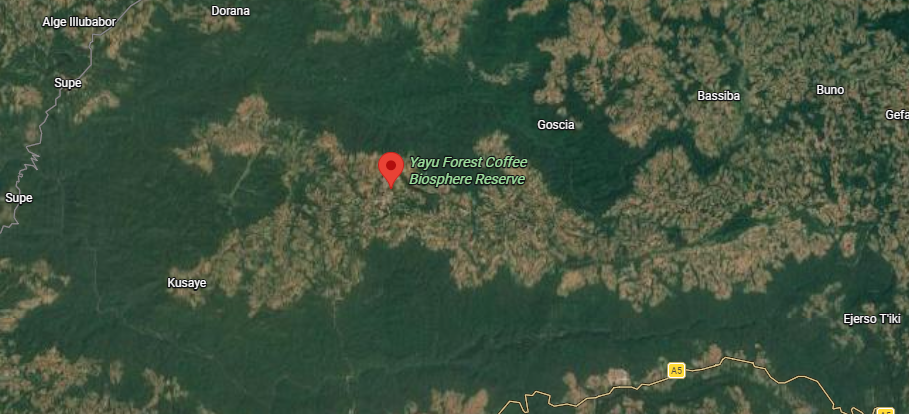
The foundation’s flagship initiative in the biosphere reserve is the project “Harmonizing People and Nature for Sustainable Livelihoods in Yayu Coffee Forest Biosphere Reserve,” jointly implemented by HRNS-Ethiopia and NABU Ethiopia and running from 2026 to 2029. The project aims to enhance the livelihoods of smallholder farmers while ensuring environmental sustainability and biodiversity conservation. It works across climate-smart livelihoods, biodiversity conservation, forest restoration, and the active participation of women and youth.
The Yayu Coffee Forest Biosphere Reserve, a UNESCO-designated site since 2010, is one of the last remaining natural habitats of wild Coffea arabica. Spanning over 167,000 hectares across the Oromia region, it is considered the cradle of Arabica coffee and one of the most important genetic reservoirs for the global coffee industry. UNESCO has called Yayu “the largest and most important forest in the world for the conservation of wild coffee populations”. Yet smallholder farmers living around the forest rely on coffee for their livelihoods, and low productivity often drives them to expand cultivation into protected areas, causing deforestation and soil degradation.
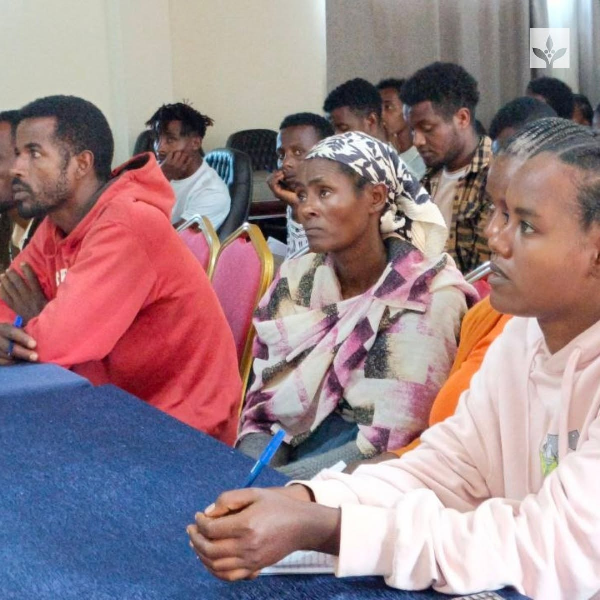
A key pillar of HRNS’s approach is capacity building among local farmers and extension agents. As part of this effort, 76 Farmer Field School (FFS) facilitators — including 19 women — have completed comprehensive training to guide farmer groups across the Yayu, Hurumu, and Alge Sachi districts. The curriculum combines Good Agricultural Practices, the Gender Household Approach, organizational development, and digital advisory tools such as the coffee&climate Toolbox and Farmer.Chat by Digital Green. These facilitators will now work directly with communities, turning everyday fields into learning laboratories where farmers observe, experiment, and co-create solutions.
The project supports 80 FFS groups with farm tools for peer learning. In addition, the project promotes youth engagement in green enterprises by establishing and supporting nine nursery youth groups and 21 community nurseries. This approach connects economic opportunities for young people with the environmental priorities of the Yayu landscape: nurseries and other green enterprises can provide sources of income while supplying the seedlings and services needed for forest restoration, regenerative agriculture, and more resilient farming systems.
The youth enterprise component is deliberate. Young people in the Yayu landscape face limited participation opportunities, low decision-making power, and few options to engage in entrepreneurial activities. By equipping them with the technical and business knowledge to establish nurseries and other green enterprises, HRNS aims to generate income while supplying the products and services relevant to the sustainable management of local natural resources.
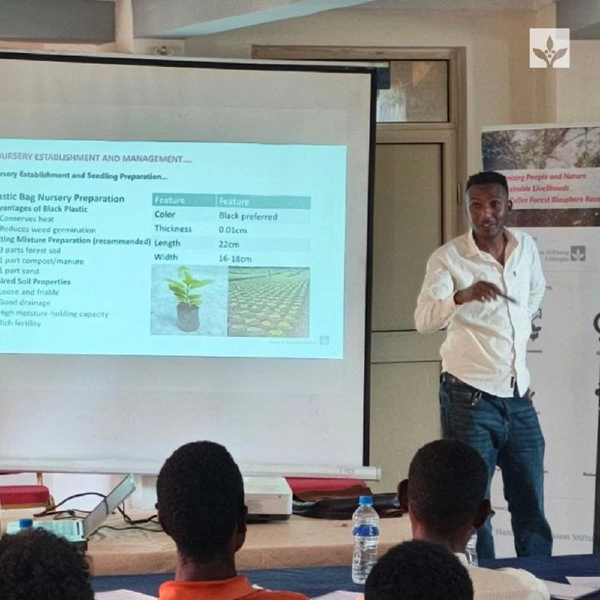
To explore this potential, the Yayu Project brought together young people and government representatives for a two-day practical training covering quality seedling production and nursery management, regenerative and climate-resilient agriculture, biodiversity conservation and ecosystem restoration, identifying and developing green business opportunities, business planning, record keeping and enterprise management, and youth enterprise formation and legal requirements.
This youth-focused work builds on HRNS’s track record of results in the Yayu landscape. Under a related project funded by the International Climate Initiative, more than 458,000 planted seedlings have survived, achieving a 90 percent survival rate. These include coffee, banana, avocado, and forest trees, with total carbon sequestration in three years accumulating to 13,000 tons of CO₂ equivalent. The project reached more than 2,000 smallholder families, eight cooperatives, and one union, including women and youth groups. In 2025, 100 kilograms of coffee seeds were purchased from the Jimma Agricultural Research Centre and sown by seven Farmer Field Schools and six youth groups, with 71,000 seedlings under management.









The Hanns R. Neumann Stiftung was founded by the Neumann family as an independent, not-for-profit organization to empower smallholder coffee farmers and foster their development into strong, resilient entrepreneurs. The foundation is committed to addressing the pressing challenges of environmental protection, climate change, and biodiversity preservation. Its work in Ethiopia, and particularly in Yayu, reflects that dual commitment — to the farmers who grow coffee and to the forest that holds the genetic future of the crop itself.
For HRNS, the Yayu project is not simply about conservation or about livelihoods. It is about demonstrating that the two are inseparable. The foundation’s bet is that if young people can earn an income from nurseries, seedlings, and green enterprises, they will have a reason to protect the forest rather than clear it. Whether that bet pays off will depend on whether the nurseries, businesses, and restoration commitments that follow can deliver on the promise the training made: that a green enterprise in Yayu is not just an environmental good, but a viable way to make a living.