Laos: Where Opium Once Grew, Coffee Now Takes Root
March 21 - 2026
Coffee Geography Magazine
In the highlands of northern Laos, a quiet transformation is taking root. Vongsone, a farmer in Houaphanh Province, moves through rows of coffee plants, carefully harvesting ripe red cherries. A few years ago, this same land was cultivated with a very different crop—opium poppies—a livelihood that tied his community to poverty, illicit networks, and decades of instability.
Today, those hills are telling a new story. And in December 2025, delegates from across the Mekong region and beyond gathered in Xamneua District to witness it firsthand.
The occasion was the Alternative Development Field Workshop, titled “From Theory to Practice,” organized by the United Nations Office on Drugs and Crime (UNODC) under the Mekong Memorandum of Understanding (MOU) framework and sponsored by the Government of China. The event brought together government representatives, development partners, and practitioners to see how long-term investment in legal livelihoods is reshaping one of the region’s former opium-producing heartlands.

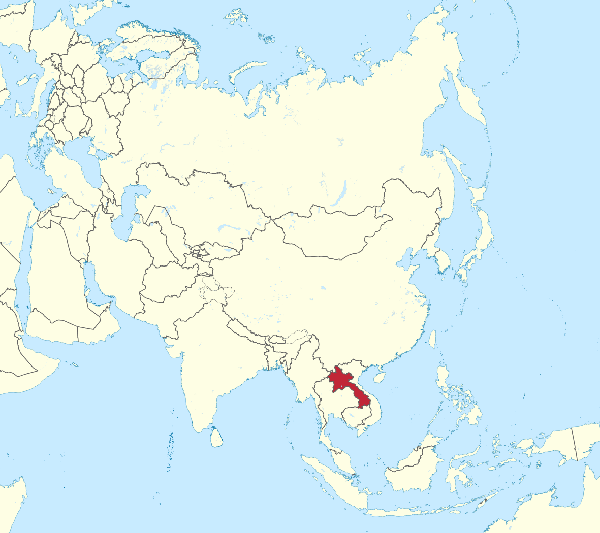
For Laos, historically a cornerstone of the so-called “Golden Triangle”—which once accounted for a significant share of the world’s opium supply—the stakes have long been high. While the country has made substantial progress since the 1990s, northern provinces including Houaphanh, Phongsaly, and others have continued to face challenges related to both illicit cultivation and drug trafficking. In recent years, production in the region saw a resurgence, underscoring the need for sustainable, community-led alternatives.
Since 2015, UNODC, in close partnership with the Lao Government, has been working on the ground in Houaphanh with a clear strategy: replace the illicit drug economy with a sustainable agricultural value chain that empowers farmers “from seed to cup.”
The centerpiece of that effort is the Vanmai Coffee Cooperative. Established in 2020 to unite farmers and strengthen their collective bargaining power, Vanmai has since grown into a beacon of success. The cooperative now supports more than 910 farming households in Houaphanh alone, helping them secure Fairtrade certification and connect with international buyers in Europe.






But the impact extends far beyond economics. The Vanmai Women’s Network, launched in 2021, has opened new pathways for women to assume leadership roles and engage directly in commercial activities. Income from coffee sales is being reinvested into community infrastructure—schools, electricity, and sanitation—chosen and managed by the farmers themselves.
Farmers are also embracing climate-smart agriculture, adopting shade-grown coffee techniques and organic composting to ensure that their path out of poverty does not come at the expense of the environment.
As delegates toured coffee plantations and processing centers during the December workshop, attention turned to the future. The Houaphanh model is already being replicated in neighboring Phongsaly Province, where more than 390 additional households are now receiving support. Combined, the initiative has reached over 1,300 families across northern Laos.
Supported by the Governments of Luxembourg, Italy, Germany, the United States, and Japan, the initiative demonstrates that with sustained investment and the right partnerships, communities once trapped in the illicit drug economy can build resilience—one coffee bean at a time.
For farmers like Vongsone, the change is deeply personal. “This land used to tie us to things we wanted to leave behind,” he said. “Now it gives us a future we can be proud of.”