
Bellwether Coffee: How Cafés Are Taking Control of Their Coffee Destiny Using Shop Roaster
March 12 - 2026
Coffee Geography Magazine
A quiet transformation is taking place in coffee shops across the country, driven by a fundamental belief that the best tasting coffee is the one roasted just steps away from where it is brewed. At the recent New York Coffee Fest, Bellwether Coffee took center stage to showcase the technology fueling this shift, revealing that the movement toward on-site roasting has moved from a niche experiment to a full-blown industry trend.
The company announced that it has doubled the installed base of its Shop Roaster, shipping more units in 2025 than in the previous five years combined. This surge in demand comes as café owners and retailers increasingly look for ways to improve margins, assert quality control, and carve out a distinct identity in a crowded market.
Central to this growth is the expansion of Bellwether’s Green Coffee Marketplace, which now offers access to more than thirty global coffees. What began with just five offerings has grown into a sourcing network spanning Latin America, East Africa, and Southeast Asia. By the end of the year, every major origin will be represented, with new sources like Ecuador and El Salvador joining mainstays such as Costa Rica, Ethiopia, and Sumatra. The platform is designed to be flexible; while it provides roast profiles and menu guidance, it remains entirely optional, allowing customers to source independently or blend their own selections with Bellwether’s offerings.
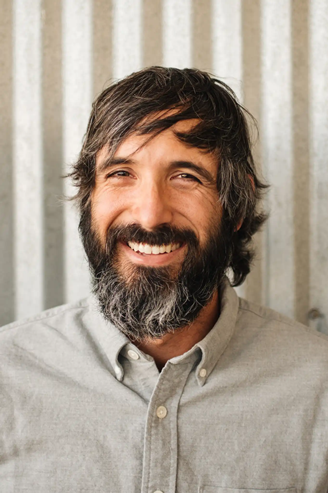
Ricardo Lopez, founder and CEO of Bellwether
Ricardo Lopez, founder and CEO of Bellwether, emphasized that the model is built around choice. He noted that the company provides everything a café needs to start roasting—from sourcing to packaging—but allows each business to decide how much of that ecosystem they want to adopt.
For new entrants, the barrier to entry has never been lower. Tony Daussat, founder of Function Coffee Co. in the Dallas–Fort Worth area, launched his operation from a home office with a modest goal of selling one hundred bags in his first year. He surpassed that target in his first month.
In Missouri, Michael Safarov of Teremok Coffee and Desserts found himself watching the steady stream of customers heading to the Starbucks next door. After installing a Bellwether roaster, he began pulling those same customers into his own shop with coffee roasted under his own label. By switching to in-house roasting, he estimates he is now saving twelve hundred dollars a week.






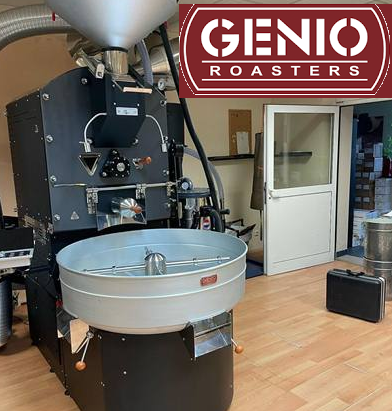
Sometimes, the choice to roast on-site is dictated by circumstance. At Juliette’s Cafe & Coffee Culture in Newport Beach, California, co-owners Juliette Chung and John Hughes faced a unique challenge: their venue, a converted 1964 bank building, could not accommodate the ventilation and gas lines required for traditional roasting. The electric Bellwether system allowed them to build a serious coffee program inside a historic space without compromising on quality. John Hughes noted that their customers immediately recognized the difference, with even their decaf earning enthusiastic reviews.
For established operators, the math is often the driving force. Businesses that transition from buying wholesale roasted beans to roasting green coffee on-site typically see their coffee costs drop by thirty to fifty percent. Beyond the savings, they gain the ability to serve coffee roasted days or weeks earlier rather than months old, strengthening brand loyalty and keeping more profit within the business.
Lopez summed up the appeal simply, stating that while freshly roasted coffee inherently tastes better, the financial logic is equally compelling. Cafés are discovering they can offer a superior product while improving their bottom line.
With a presence now spanning forty U.S. states and twenty-six countries, Bellwether is continuing its expansion with a newly launched European Marketplace. The company made its presence at the New York Coffee Fest in March and is set to appear again at the Specialty Coffee Association’s World of Coffee in San Diego this April, where the conversation about the future of café roasting is sure to continue.