New Study Shows Climate Change Could Change Coffee
Flavors
Climate change could make it harder to find a good cup of
coffee, new research finds. A changing climate might shrink suitable areas for
specialty coffee production without adaptation, making coffee taste blander and
impacting the livelihoods of small farms in the Global South.
Published in Scientific Reports on April 14, the study
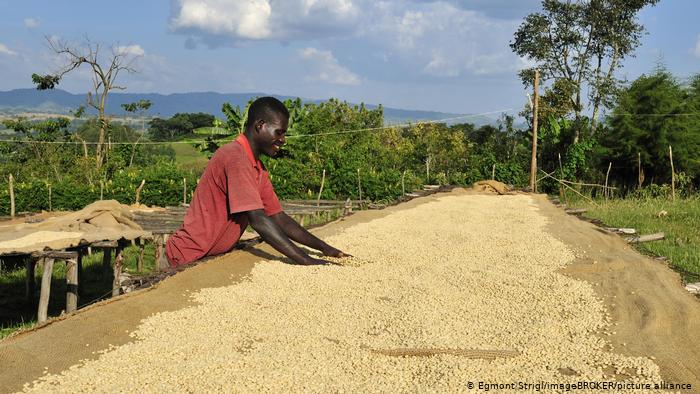
focused on regions in Ethiopia, Africa's largest coffee-producing nation.
Although studies have previously documented the impact of climate change on
coffee production, what's less understood is how varying climates could change
the flavors of specialty coffee, the researchers wrote.

The team aimed to fill this gap. Their results provide a
glimpse into how future climate change could impact local regions and economies
that rely on coffee cultivation, underscoring the value of local adaptation
measures.
Researchers analyzed how 19 different climate factors,
such as mean temperatures and rainfall levels, would affect the cultivation of
five distinct specialty coffee types in the future, the Potsdam Institute for
Climate Impact Research (PIK) reported. Although researchers found that areas
suitable for growing "average quality coffee" may actually increase over
time with climate change, regions where specialty coffee is grown will shrink —
a pending problem in light of the global demand for high-quality coffee.
"This is an issue not just for coffee lovers, but
for local agricultural value creation," Abel Chemura, the study's lead
author, told the PIK.
Coffee profiles rely on specific climate patterns for
their unique flavors, levels of acidity and fragrances. But in a warmer
climate, the coffee cherry — the fruit picked from a coffee plant — matures
faster than the bean inside, making for a lower quality cup of coffee, the PIK
reported.
For example, the sought-after Yirgacheffe variety of
coffee, which is cultivated in southwestern Ethiopia, could lose more than 40
percent of its suitable growth area by the end of the century, PIK reported.
This could impact small farms and threaten Ethiopia's economy, the researchers
noted.
"If one or more coffee regions lose their specialty
status due to climate change this has potentially grave ramifications for the
smallholder farmers in the region," Christoph Gornott, co-author of the
study, told the PIK. "If they were forced to switch to growing
conventional, less palatable and bitter coffee types, they would all of the
sudden compete with industrial production systems elsewhere that are more
efficient." In a country where coffee exports account for nearly a third
of all agricultural exports, "this could prove fatal," Gornott added.
Climate change impacts on coffee production are not
unique to Ethiopia. In Columbia's mountainous coffee-growing regions,
temperatures are warming by 0.5 degrees Fahrenheit every decade, according to
Yale Environment 360. Extreme levels of precipitation, which are becoming more
common, also impact production, as they spread insect and fungal diseases.
"In earlier times, the climate was perfect for
coffee," one small farmer in Columbia told Yale Environment 360. "In
the period of flowering, there was summer. During harvest, there was winter.
But from 2008 onward, this changed and we now don't know when it will be
summer, when the coffee will blossom."
But researchers say there are glimmers of hope,
emphasizing the importance of local adaptation measures that are designed for
particular climates and communities. For example, in regions where temperature
is an important factor for specialty coffee cultivation, the researchers
suggest improved agroforestry systems that could maintain canopy temperatures,
a promising step toward sustaining the "availability and taste of one of
the world's most beloved beverages and, more importantly, on economic
opportunities in local communities of the Global South," Gornott
concluded.