
EU Deforestation Rules Include Soluble Coffee as the Deadline Approaches
October 30 - 2026
Coffee Geography Magazine
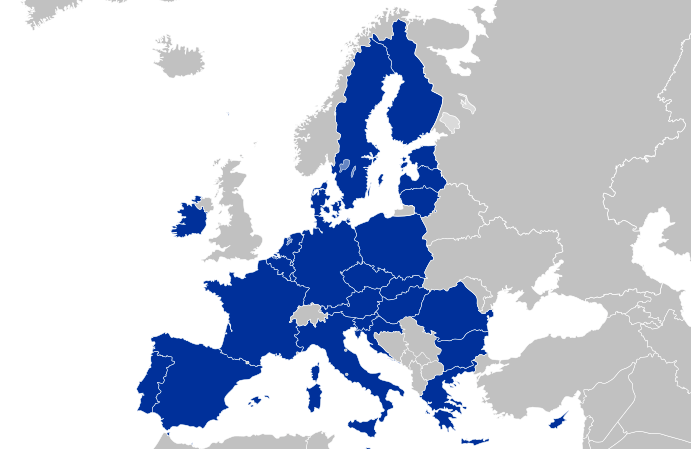
The European Union Deforestation Regulation, EUDR is intended to keep commodities sold in the bloc from contributing to global forest loss or degradation. It replaces the older timber regulation and requires companies to show that coffee and other covered goods were not produced on land affected by deforestation after the regulation’s cutoff date.
The main deadlines are now set. Large and medium-sized operators face the end-of-December deadline, while micro and small enterprises have until the middle of next year. Soluble coffee and certain other added products will follow later, giving processors extra preparation time but also bringing a less-discussed segment of the coffee business into the compliance framework.
For companies placing coffee on the European market, the core obligations are demanding. Operators must provide evidence that production did not occur on deforested land after the cutoff date. They must also collect precise geolocation data for production plots and submit a due diligence statement through the European Commission’s centralized information system. The requirements are meant to validate compliance with relevant environmental and social laws before goods clear the market.
The Commission has launched its reporting system and issued further guidance and simplification measures aimed at reducing administrative strain while preserving traceability. As a result, exporters are no longer asking only what the regulation demands. They are asking whether their supply chains will be ready when enforcement begins.
The addition of soluble coffee is significant for major exporters such as Brazil, Vietnam and Indonesia, as well as for European manufacturers that source raw materials from many origins. Traceability in soluble supply chains may be more complicated than in green coffee because blending, transformation and industrial processing make it harder to follow beans from farm to finished product.
Another major issue is the regulation’s country benchmarking system. Producing countries will be classified according to deforestation risk, and those classifications will shape the intensity of due diligence imposed on importers. For coffee, benchmarking could become among the most important factors in future sourcing decisions, as buyers weigh compliance costs, documentation burdens and perceived regulatory risk.










Readiness remains uneven. Large exporters, multinational traders and major roasters have invested in geolocation systems, farm mapping and digital traceability platforms. Smaller exporters, cooperatives and producer organizations often struggle with farm polygon collection, smallholder registration, segregation of compliant and non-compliant lots, data management across fragmented supply chains and integration with European reporting systems. The challenge is particularly acute where production is spread among thousands of smallholders.
As enforcement approaches, the market question is becoming as important as the regulatory one. Many exporters have spent heavily on mapping and due diligence, but it is still unclear whether buyers will pay a premium for compliant coffee. Some expect compliance to become a basic condition of market access rather than a selling point. Others believe verified deforestation-free coffee could command higher prices, especially in the early period when compliant supply may be tight.
For the coffee industry, the deforestation regulation is no longer a future policy debate. The deadlines are fixed, the reporting system is running, guidance has been issued and the scope now includes soluble coffee. The conversation has shifted from what the rules might look like to how companies will comply.