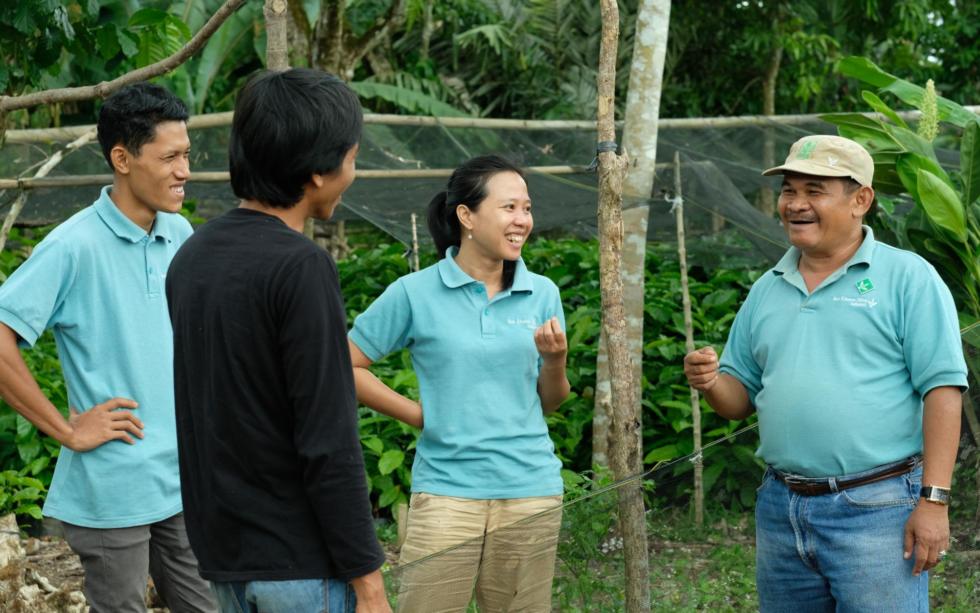







HRNS teams up with Peet’s Coffee in a new Project to lift up coffee communities in North Sumatra, Indonesia
July 28 - 2022
Coffee Geography Magazine
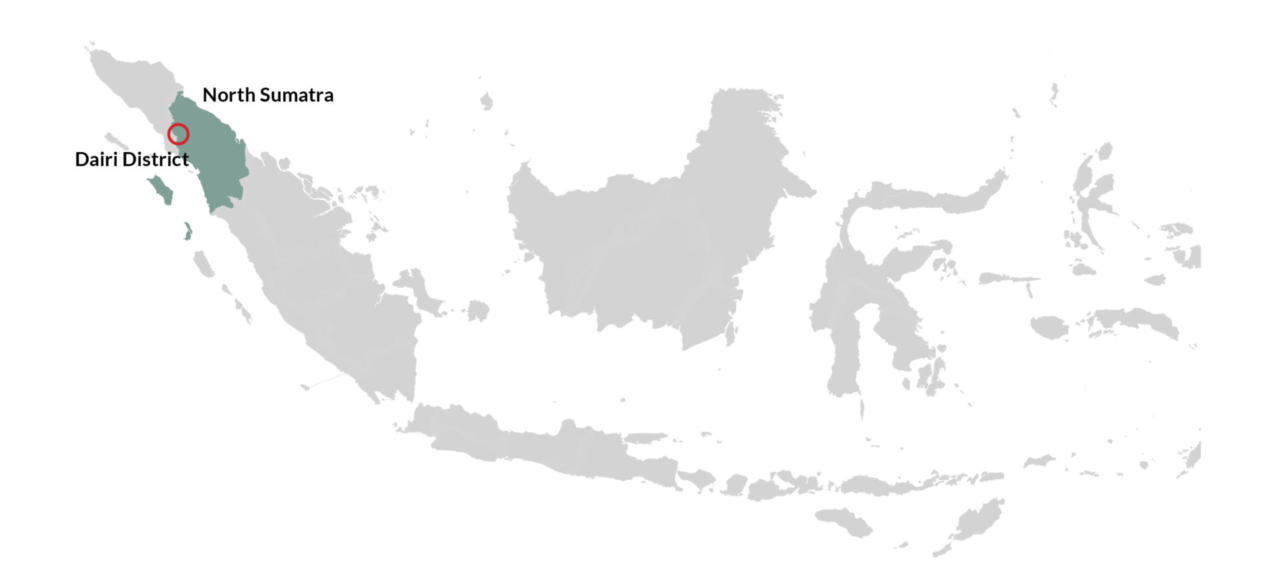
At dawn, they awoke in the Sidikalang, Dairi district, located in the western edge of Lake Toba, the biggest lake in Sumatra. Bordering the foothills of the Mount Sibuatan National Reserve, Lake Toba is home to a unique and biodiverse, moss-dense rainforest with rich vegetation. Arabica coffee is grown around the lake area and into the surrounding mountains.
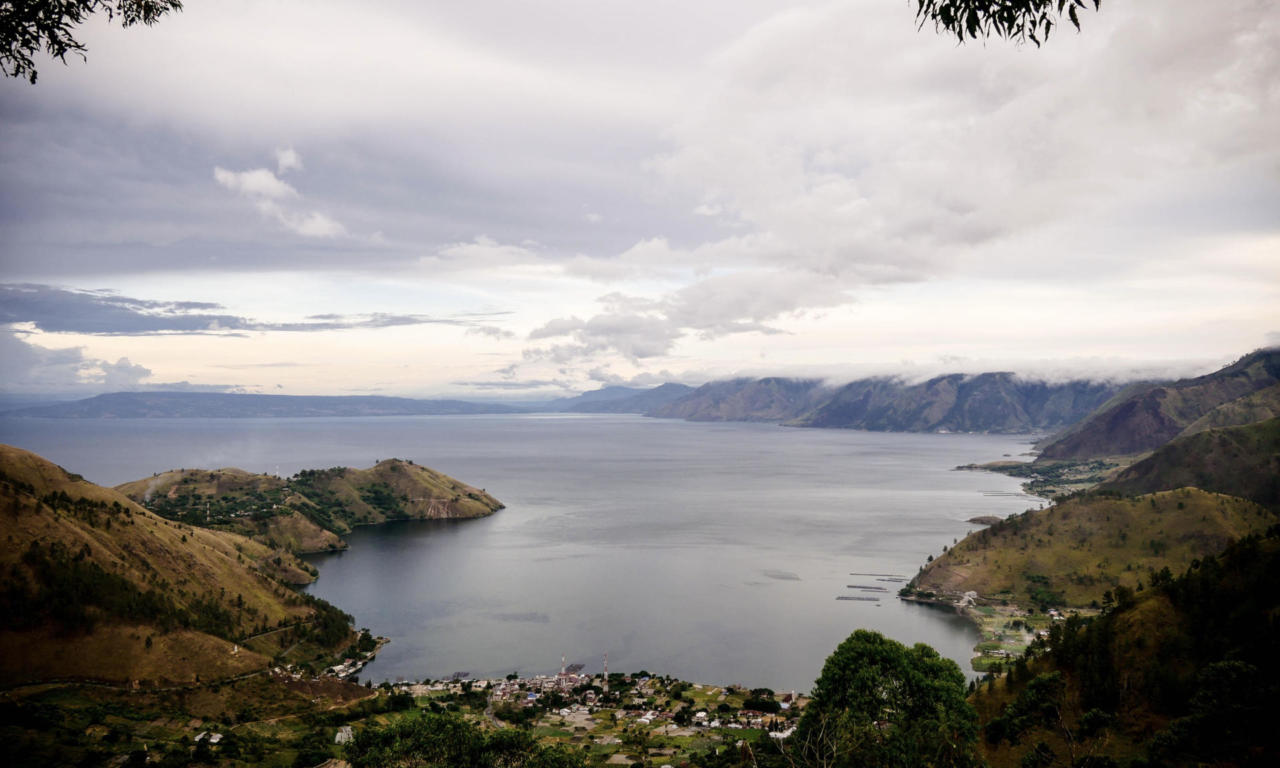
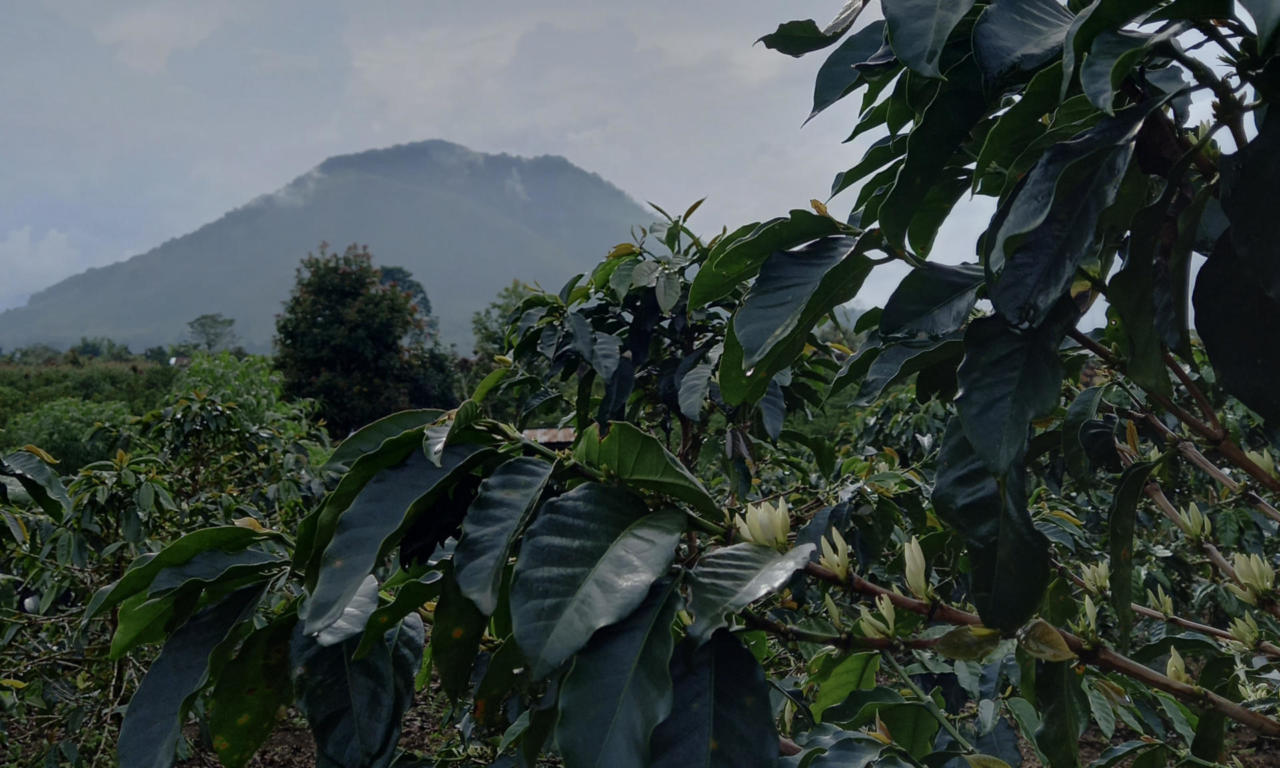
Although they were able to see many smallholder families implementing mixed cropping systems on their small plots, most coffee trees were underproductive due to lack of proper farm management techniques.
With limited knowledge on innovative and good agricultural practices, many smallholder families in the region have not been able to increase production and combat pests and diseases. Quality is compromised, plant diseases are taking their toll, and best practices around agro-chemical use are not widely employed.
HRNS, together with Peet’s Coffee, is aiming to increase smallholder families’ resilience to climate change and improve coffee productivity with a new project in North Sumatra. The project, “Towards Regenerative and Profitable Production” will reach 3,000 smallholder families through an extended training program focusing on increasing productivity, promoting integrated farm management, and utilizing sustainability best practices.
After a hearty breakfast of Nasi Goreng and strong coffee, the team set off on the mountain road towards their intended target regions. they had a full program: meetings with the agricultural department and extension workers as well as visits to farms to talk to farmers directly. With the morning mist still passing through the trees, they heard the Gibbons. These group of small apes are still prevalent in these forests. In the morning, their calls are heard far and wide through the dense canopy.
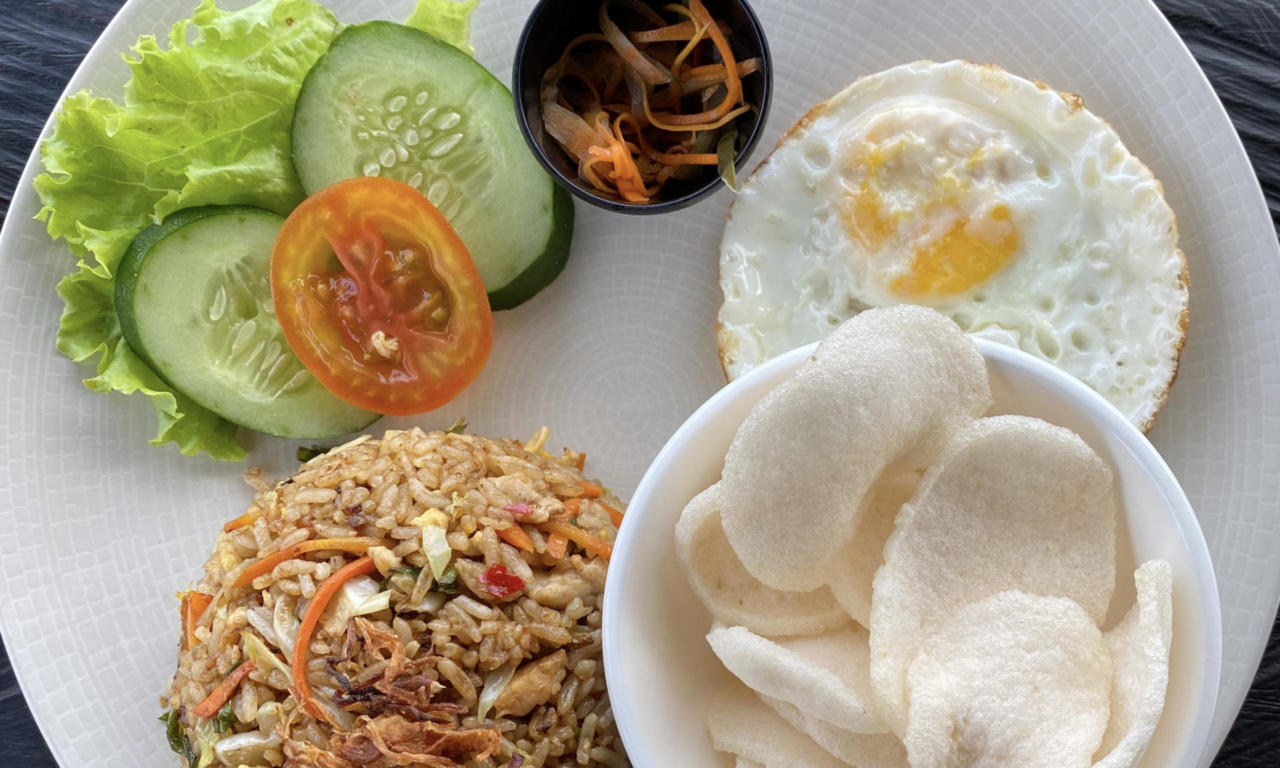
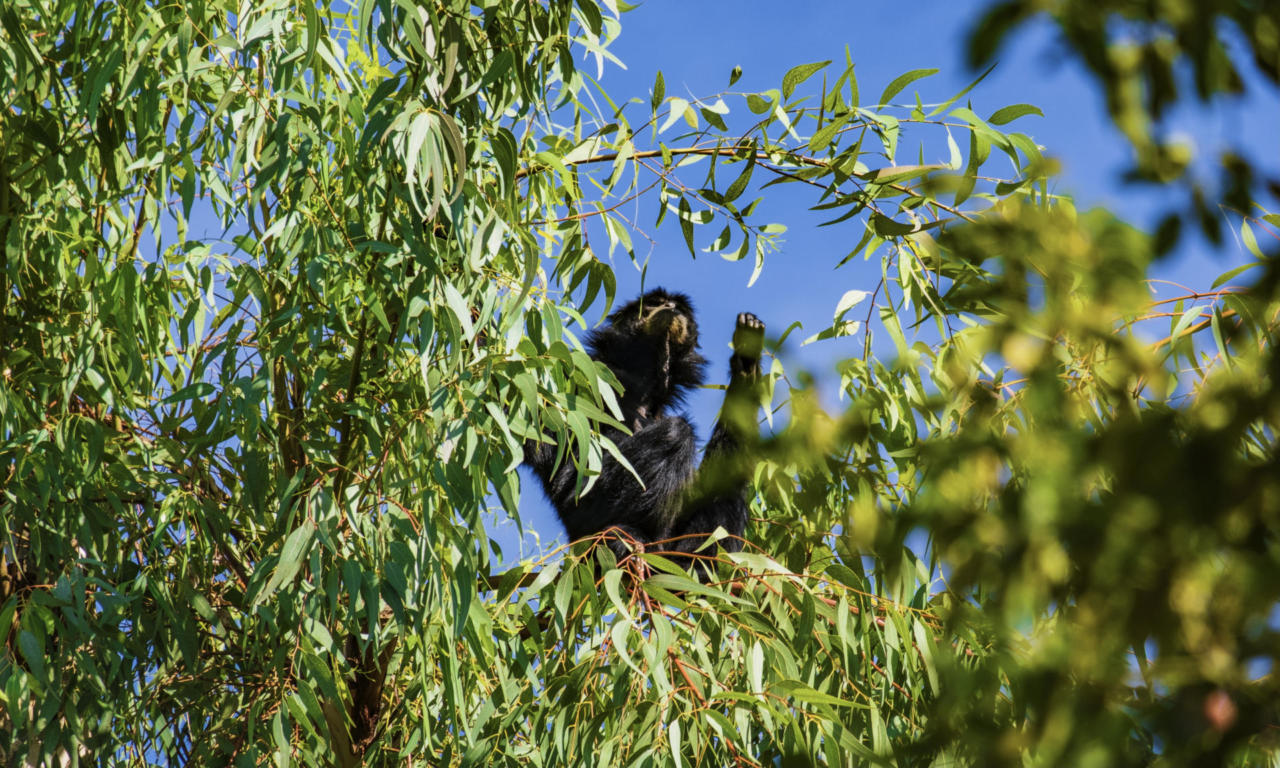
As they exited the jungle area, the landscape quickly changed from jungle to farmland. Although they expected coffee in this first zone, it was quite a surprise to discover that most smallholders had abandoned coffee during the years 2017 – 2019 as low coffee prices forced them to make a change. Fields that were once known for its high-end Arabica, were now producing carrots, potatoes, and chilies on a large scale, but also with a significant use of fertilizers and pesticides.
In discussions with local extension workers and smallholders, they learned that not only were low coffee prices to blame, but also the lack of productivity of the coffee bushes. Pests and diseases, such as the coffee berry borer and fungi damaged almost half of the crop. Now, with coffee prices higher, smallholders were regretting their decisions to cut down their plantations and were asking for assistance to renew and replant their fields. “If we would have had a more stable production, we would have never cut down the trees” lamented one smallholder coffee farmer. “Farming vegetables is very costly with only an income during the harvest, while coffee gave us money the whole year round”.


As they moved further into Dairi District, they were taken aback by the incredible dynamic and integrated farming practices. Focusing on coffee, they saw farms being intercropped and diversified with maize, chili, orange trees, tree tomato, cabbage and even passion fruit running in between rows of coffee bushes. Not once did they encounter a field with only coffee. It can be said that smallholders in Northern Sumatra are quick to change and adapt production if more profit is to be made with alternatives. Many do keep coffee as a source of stable income. Although there are peak seasons, most smallholders can harvest beans every two weeks all through the year.
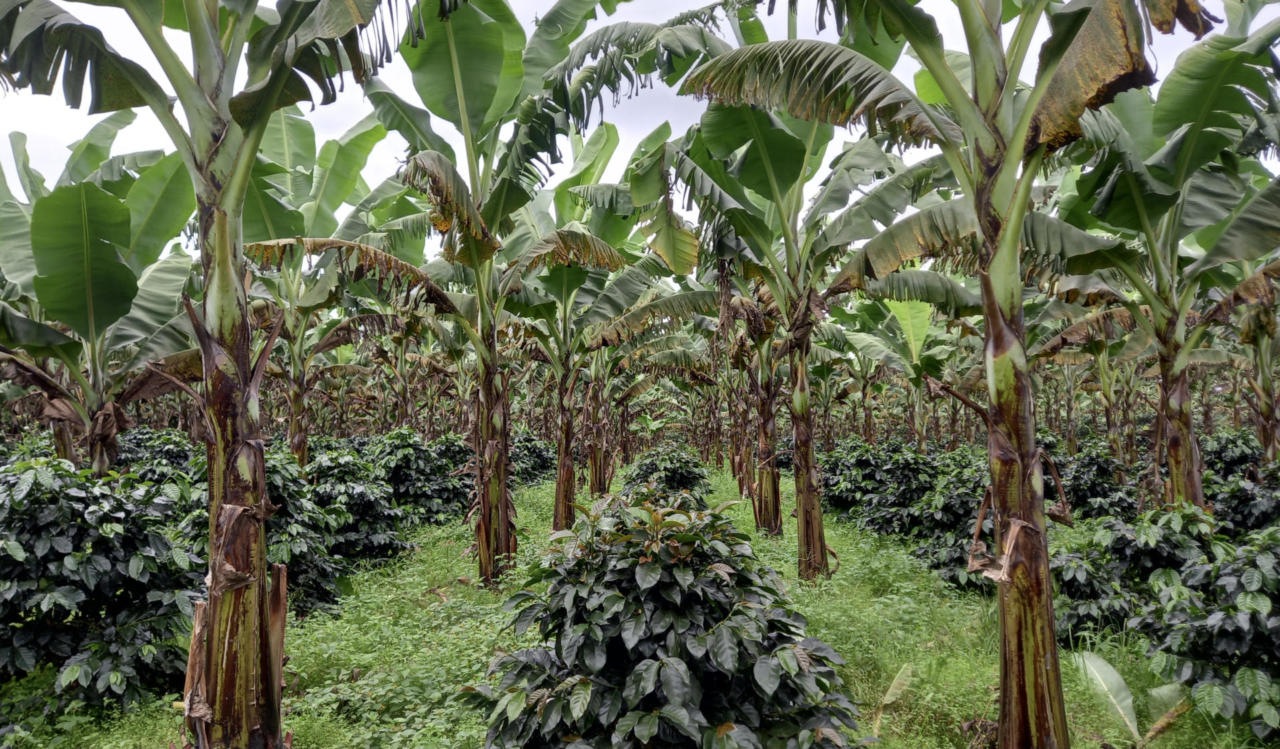
Passing once more through the Sibuatan National Reserve, they arrived in Sumbul, located in the northern part of Dairi district. Here, coffee was certainly still a priority crop. Arabica bushes, often integrated with a second crop such as banana, covered many fields along the roadside. they did notice the lack of pruning and signs of disease. Meeting with farmer groups and extension officers, they discussed the future of coffee, and the priority needs of farmers in the area.
Recent price increases had given a new impetus to farmers, and they were eager for new knowledge.
The team learned that no other farm-based programs had been active in the area. Many farmers were still in need of training and were willing to learn new practices and how they could reduce costs for agro-chemicals. They expressed concern for the prevalent root fungus that could destroy a bush within a few weeks and the ever-persistent Coffee Berry Borer, that eats its way into the beans before they ripen. Farmers also asked for improved seeds and assistance in setting up nurseries. Then the team could see that a new HRNS project, supported by Peet’s Coffee, could make a significant difference.
In the following days they drove to other locations. North of Sibuatan National Reserve where they visited smallholders and extension officers in Tigapanah. This area has taken off and it has become a hot spot for coffee traders due to the high quality being produced. With smallholders still investing in new production, this could be an interesting area for the HRNS-Peet’s intervention as they could guide them from the start towards high productivity.
As the team rounded off their visit, they concluded that these new areas had great potential; not only for coffee production, but for HRNS and Peet’s to have a conclusive impact for smallholder families and the local economy. Smallholders were eager to learn, and there is a dynamic market that is ready to buy coffee on a regular basis. Together with the Agricultural Department of Sidikalang, Dairi district, they identified up to 3,000 smallholder farming families that could take part in the project.
During a meeting with the government, the Bupati (Regent) of Dairi Di, also expressed his keen interest in seeing HRNS establishing a presence and he gave a strong word of encouragement to formulating an Agreement of Cooperation in the near future between the government and HRNS.

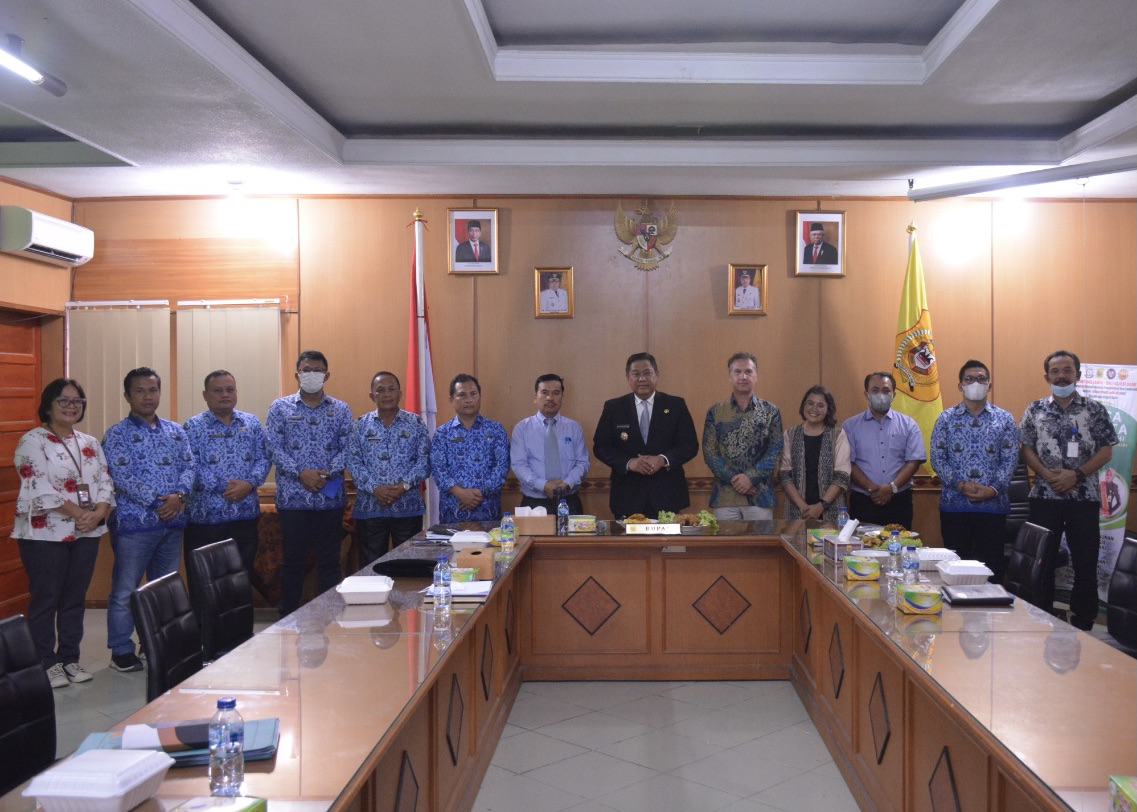
Ir. Eddy Keleng Ate Berutu, the Bupati (Regent) of Dairi Di, and Harm van Oudenhover, Country Manager of HRNS in Indonesia, sign an Agreement of Cooperation
This year, HRNS will start rolling out training to 1,500 smallholder families. Activities include training on Good Agricultural Practices (GAP), safe use and handling of agro-chemicals, and an introduction to integrated pest and disease management including basic training in composting and weed control to increase soil health and ecological diversity. Activities will also include awareness training on national labor laws, safe working conditions, and biodiversity preservation.
In the following 2 years, the coverage will be expanded to 3,000. It is hoped that this will be a basis for a longer term HRNS presence in Northern Sumatra, and that they may build strong and lasting relationships and work towards a regenerative and profitable coffee production system.