India’s Coffee Output Rises, But Exports Face Headwinds
November 25 - 2026
Coffee Geography Magazine
India’s coffee production is projected to see a slight uptick in the 2026/27 marketing year, but the country’s export sector is bracing for a year-over-year decline due to a smaller arabica crop, global shipping disruptions, and tightening European market regulations, according to a recent report by the U.S. Department of Agriculture (USDA).
The report forecasts India’s total coffee production for Marketing Year (MY) 2026/27 at 6.17 million 60-kilogram bags (370,200 metric tons), a 0.5% increase from previous projections. However, this remains seven percent below the revised estimate for MY 2025/26, which saw a stronger-than-expected harvest of 6.62 million bags. India currently stands as the world’s seventh-largest coffee producer, accounting for roughly 3.6% of global output.










The slight overall production increase is driven by a four percent upward revision in robusta output, which is forecast at 4.75 million bags. Robusta yields have remained relatively stable, supported by adequate shade and favorable soil moisture. Trade sources note that Indian washed robusta is internationally recognized as a specialty-grade product, commanding substantial premiums over competitors like Uganda and Vietnam, particularly from Italian espresso blenders.
Conversely, arabica production has been cut by nine percent to 1.42 million bags. A rainfall deficit during the June-July southwest monsoon hampered bean filling, resulting in smaller beans and a higher proportion of lower-grade, unwashed coffee. Furthermore, the report warns that persistent dry conditions could exacerbate white stem borer infestations. Industry trade sources anticipate an even steeper decline in arabica output, ranging between 15% and 18%.
Despite the raised production forecast, India's coffee exports for MY 2026/27 are projected at 6.39 million bags, a three percent increase from the previous forecast but a nine percent drop from the 7.02 million bags exported in MY 2025/26.

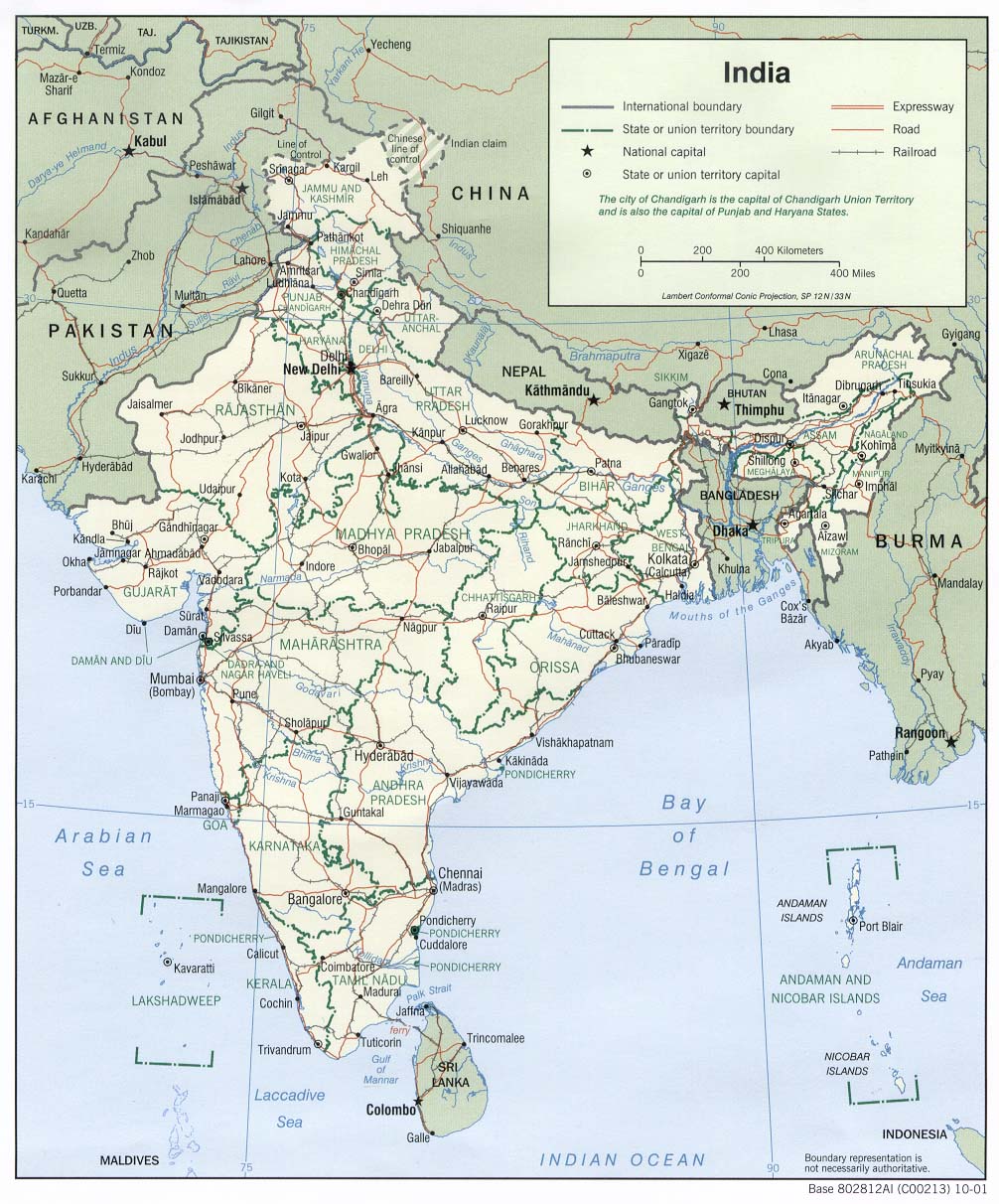
India's Coffee producing Regions
The projected export slowdown is attributed to several compounding factors. Green bean exports are expected to fall 12%, while soluble coffee exports are anticipated to drop four percent. Aside from the smaller arabica crop, the sector is grappling with a severe global shipping crisis. Geopolitical conflicts and maritime diversions around the Cape of Good Hope have driven ocean freight rates up fivefold globally and stretched European transit times from under a month to 70–80 days. These delays, coupled with soaring war-risk insurance premiums, have tied up working capital and caused systemic delays across the international supply chain.
A significant hurdle for Indian exports is the European Union’s strict maximum residue limit (MRL) for chlorpyrifos, an insecticide widely used by Indian farmers to control the white stem borer. The EU banned the substance in 2020 and set the MRL at 0.01 mg/kg. Over the past year, stricter enforcement has led to approximately 75 shipment rejections, involving an estimated 1,500 metric tons of coffee, primarily in Italy and Switzerland. Consequently, European buyers have significantly reduced purchases of Indian washed arabica.
Despite these challenges, India remains the world’s fifth-largest coffee exporter, shipping about 70% of its production abroad. Europe—led by Italy, Germany, Russia, and Belgium—remains the primary destination, followed by the United States and a rapidly emerging Middle East and North Africa (MENA) region.
The USDA report suggests that a future EU–India free trade agreement could significantly boost Indian coffee exports, particularly in value-added products like soluble instant coffee and premium concentrates. For now, however, the industry is relying on a highly lucrative export environment driven by an eight percent depreciation in the rupee over the past year, which helps Indian exporters competitively price their coffee on the global stage.