How Colombia’s Peace Signatories Traded Rifles for Coffee Beans After Ten Years
August 8 - 2026
Coffee Geography Magazine
Ten years after the signing of Colombia’s historic Peace Agreement, the scars of a decades-long civil conflict are slowly being healed through a surprising medium: the country's world-famous specialty coffee. Across the mountains of Antioquia, a region once torn apart by violence, former combatants of the FARC-EP are rewriting their futures. By trading weapons for coffee sacks, these peace signatories are building a new reality, proving that true reconciliation can be cultivated directly from the soil.

From the Ranks to the Roasters
For John William Taborda, the journey to peace began in the northern mountains of Ituango. Displaced by paramilitary violence as a five-year-old child in 1997, his fractured childhood eventually led him into the ranks of the FARC’s 18th Front in 2009. Following years of combat and a subsequent period of imprisonment, the 2016 accord offered him a rare lifeline.
“I was able to start over thanks to the signing of the Peace Agreement,” Taborda reflects. Laying down his arms, he pursued a degree in Business Administration and discovered a new calling in specialty agriculture. Today, he serves as the legal representative of Coomudess, a multi-purpose cooperative behind the specialty brand Ubuntu Coffee in Fredonia.
Operating at an altitude of nearly 2,000 meters in southwestern Antioquia, the cooperative manages the entire value chain—from harvesting and processing to roasting and marketing. Their premium beans have achieved impressive quality scores of up to 86 points. Yet for Taborda, the true triumph is social: "We are not the same people we were ten years ago. We have learned, studied, and rebuilt relationships with communities."







The Ubuntu Philosophy: "I Am Because We Are"
The Ubuntu project brings together 24 people, including 14 peace signatories and 10 local community members, erasing the rigid dividing lines of the past. The initiative takes its name from a South African philosophy whose best-known translation is “I am because we are.”
Among them is Luz Amalia Jaramillo, who spent 16 years inside the guerrilla movement. When she first arrived in Medellín five years ago, she was paralyzed by fear, frequently getting lost in the urban sprawl. Through the coffee cooperative, Jaramillo found stability and solidarity. Today, she works alongside community members to secure a brighter future for her seven-year-old daughter. "We must keep moving forward and make sure future generations do not repeat our history," she says.
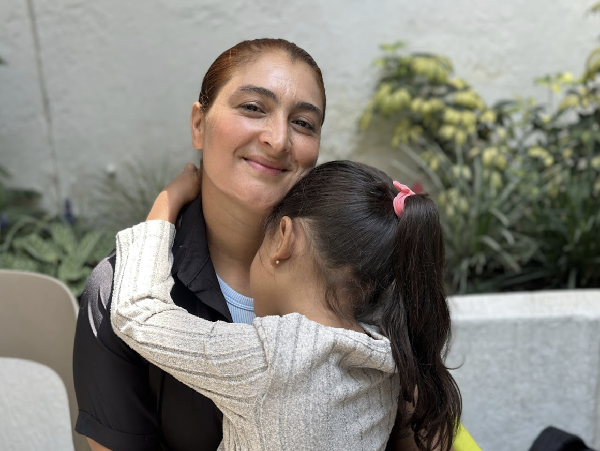
Luz Amalia Jaramillo - Colombia
This sentiment is shared by Carlos Mario Henao, a local teacher and president of Coomudess’s Board of Directors, who notes that the project shifts the focus away from old labels. "In this initiative, the conversation is not about victims and victimizers," Henao emphasizes. "We talk about people working together."
Reconnecting Countryside and City
In Medellín’s bustling urban spaces, these rural efforts converge at spots like Café Trópicos and Tejipaz. While Trópicos operates as an umbrella brand for ex-combatant coffees, Tejipaz represents another side of the coin. Opened in the Provenza area of El Poblado, Tejipaz is led by conflict survivors from Granada, eastern Antioquia, working alongside peace signatories to heal old wounds.
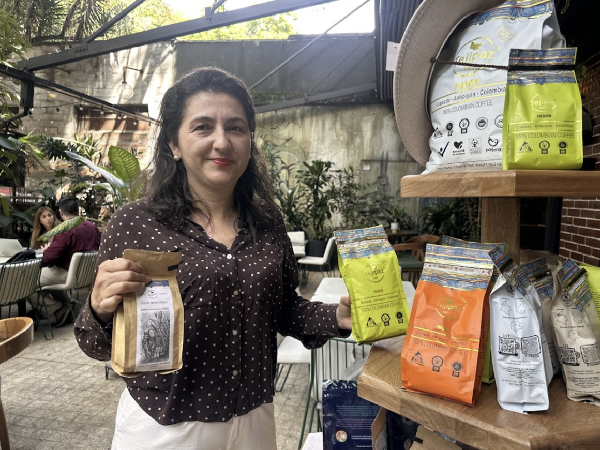
Claudia Giraldo
"The war isolated us; it created a barrier between the countryside and the city," says Claudia Giraldo, a survivor of a devastating 2000 guerrilla takeover of her town. "Today, we are trying to reconnect. Coffee is the perfect excuse to sit down and talk."
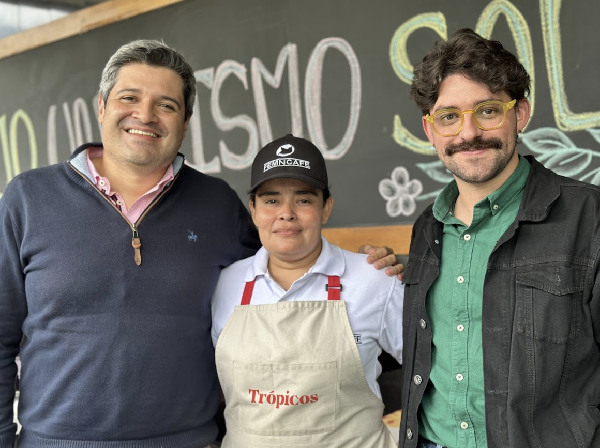
At Café Trópicos, manager Camila Graciano—a peace signatory turned certified barista—proudly serves these coffees to a once-wary public. For both producers and consumers, the daily ritual of sharing a drink has become an unexpected metaphor for a peaceful future. As Graciano explains, the Peace Agreement and coffee share a common essence: "Both carry notes of reconciliation. It starts with recognizing one another and sharing a conversation over a cup of coffee."
Through these coffee initiatives, Colombia's peace signatories are successfully turning the page on war, demonstrating to the world that ten years of hard work can yield a truly rich, sweet aroma.