Tanzania Coffee Board Distributes 22 Million Seedlings to Increase Production
May 15 - 2026
Coffee Geography Magazine
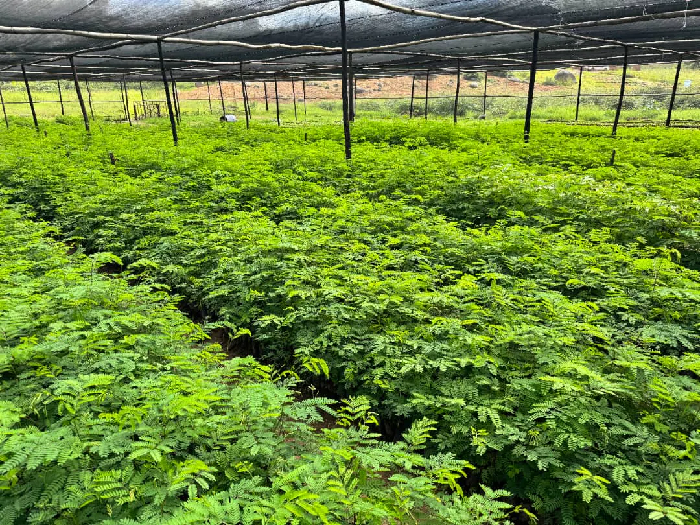
The Tanzania Coffee Board (TCB) distributes up to 22 million improved coffee seedlings to farmers across the nation. The initiative, officials say, is designed to do more than just boost harvests—it aims to rewrite the economic future for thousands of families who depend on the beloved cash crop.
The announcement came directly from the lush highlands of the Kagera Region on May 14, where TCB Board Member Prof. Kamuzora led a high-level delegation on a tour of local coffee projects.
“The production of improved seedlings will continue increasing to help farmers raise productivity and improve the quality of Tanzanian coffee in the international market,” Prof. Kamuzora stated, standing amidst the very fields that are set to benefit from the expansion.
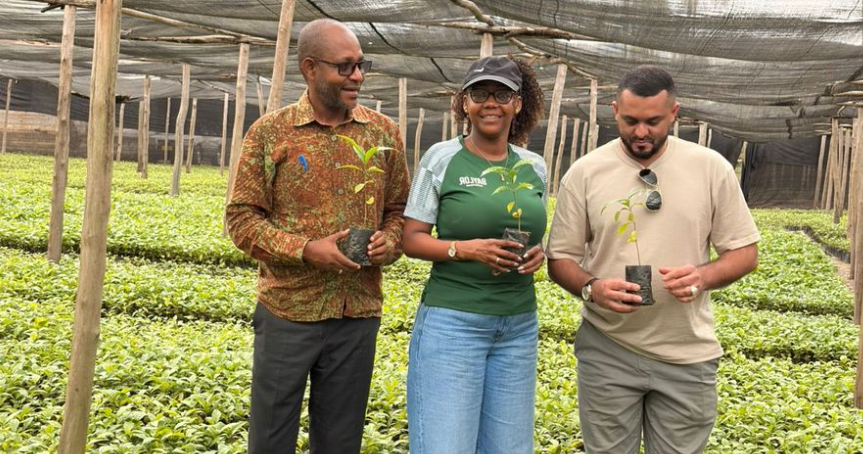
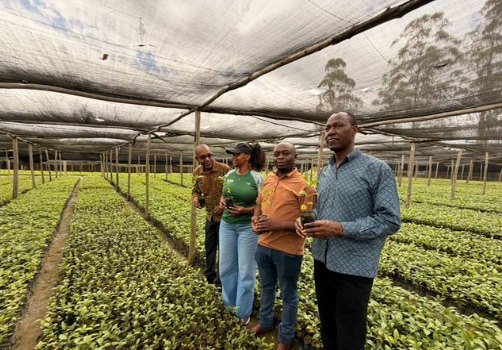
The delegation, which included Ms. Rosalynn Mwndolwa-Mworia, Managing Director of Mwananchi Communications Limited, visited critical nodes in the coffee value chain. Their first stop was the AMIMZA coffee processing factory in Bukoba, a facility that represents the bridge between raw harvest and export-ready beans. The team later toured the JADI coffee seedling nursery in Muleba District, where the future of Tanzanian coffee is currently taking root.
While the seedlings provide the genetic potential for higher yields, Prof. Kamuzora emphasized that seeds alone are not a silver bullet. She urged farmers to embrace modern farming methods—including proper spacing, fertilization, and pest control—to fully unlock the potential of the new stock.
“The government is continuing to implement strategies to increase the production of improved coffee seedlings,” she said, framing the effort as a dual-pronged attack on poverty and low productivity. “Our goal is to raise farmers' earnings and support national economic growth through this cash crop.”
Local data supports the urgency of the push. Edmond Zani, the Kagera Regional Manager for the Tanzania Coffee Board, revealed that the region alone distributed 13 million seedlings during the previous farming season. That investment has already solidified Kagera’s reputation as one of Tanzania’s coffee powerhouses, with the region producing between 50,000 and 80,000 tonnes of coffee annually.









Perhaps the most compelling proof of the initiative’s potential lies in the hills of Makongora, Muleba District. There, a youth-led campaign is underway. Amstamiru Rugarabamu, chairperson of the youth coffee growers' group, is overseeing a sprawling project that manages 300 hectares of coffee farms.
The model is remarkably structured: each young participant cultivates exactly one hectare, planted with more than 400 coffee trees. For these young farmers, coffee is no longer a relic of their parents' generation—it is a viable career path.
“The initiative is helping young people improve their livelihoods through coffee farming,” Rugarabamu said, standing as a living testament to the board’s strategy.
As the delegation wrapped up its tour, holding frank discussions with farmers about the lingering challenges facing the sector—from climate volatility to market access—one message rang clear: with the right seedlings, modern knowledge, and a new generation of growers, Tanzania is betting big on a richer, more aromatic future.