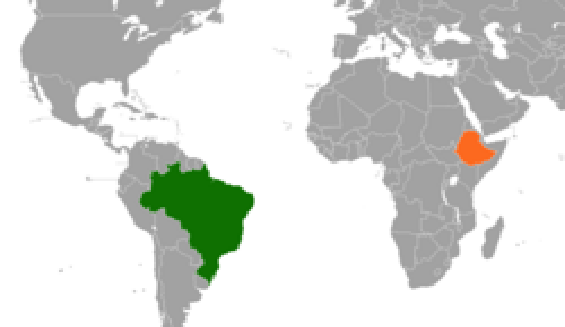
Brazil and Ethiopia Intensify Efforts for Labor Rights in Sustainable Coffee Production
December 27 - 2025
Coffee Geography Magazine
In a significant push to embed labor rights into the heart of sustainable coffee production, major initiatives in Brazil and Ethiopia are empowering farmers and workers to cultivate safer and fairer workplaces. These parallel efforts, driven by international and local partnerships, address the pressing occupational hazards and social challenges within the global coffee supply chain.
In Brazil, the world’s largest coffee producer, the International Labor Organization (ILO), through its Vision Zero Fund and with co-financing from the European Union, recently orchestrated two pivotal capacity-building activities. Collaborating with Brazil’s Ministry of Labor and Employment and the National Confederation of Rural Salaried Workers (CONTAR), the trainings engaged coffee cooperatives, over 80 small producers, and workers in Minas Gerais. The first session equipped cooperative representatives, who serve approximately 30,000 members, with strategies to integrate occupational safety and health (OSH) into their management systems. The second provided practical, accessible education for farmers and workers on specific sector risks—from pesticide exposure to machinery handling—emphasizing compliance with national safety regulations.
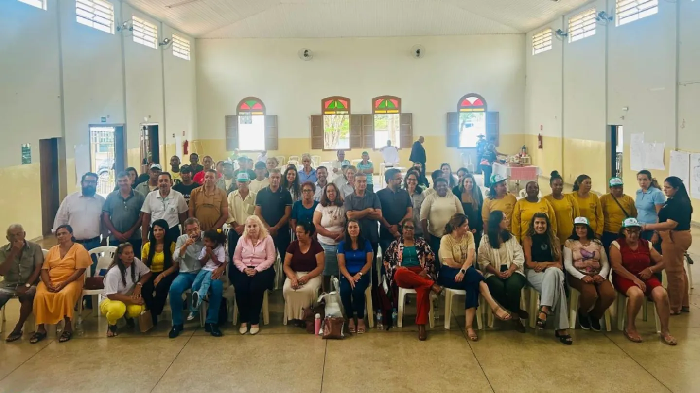
Officials hailed the approach as transformative. “Strengthening the capacity of cooperatives in occupational safety and health is essential to achieve sustainable improvements,” noted Leandro Costa Marinho, a Labor Inspector. Laíssa Pollyana Carmo of CONTAR added that empowering rural workers on rights and safety “is an investment in lives.” Participants left committed to applying new action plans, supported by freshly disseminated ILO manuals, with Juliana Brandão of ILO-Brazil affirming the mission to “transform knowledge into real change” through continued technical assistance.
Meanwhile, in Ethiopia, a parallel focus is on eradicating child labor from the coffee sector. The Ethiopian Coffee and Tea Authority (ECTA), in collaboration with CARE Ethiopia, convened a crucial workshop to advance a national strategy for protection. With data indicating that 89.4% of children are involved in agricultural work—and rates particularly high in coffee regions—the forum aimed to transition from planning to implementation. Deputy Director General of ECTA, Tagay Nuru stressed the urgency, linking child labor prevention directly to international compliance, including the European Union Deforestation Regulation (EUDR).
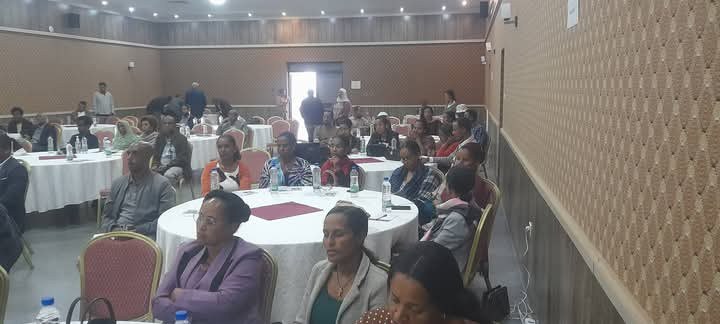
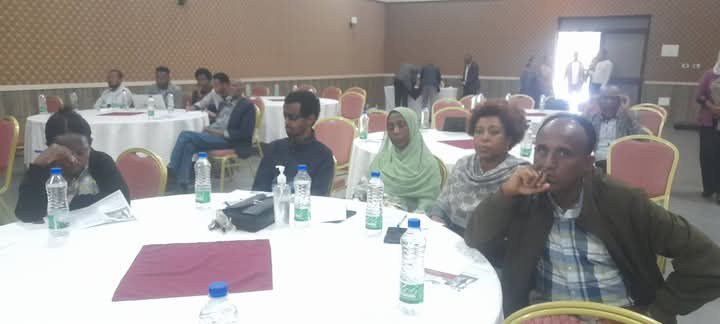
CARE Ethiopia’s Program Manager, Merem Ali, presented the consolidated strategy, detailing a five-year implementation plan with clear guidelines for all governmental levels. She noted of the “devastating negative consequences” of exploitative child labor, while expressing confidence that proper execution could ensure children return to school and coffee quality improves. The workshop concluded with stakeholder feedback, setting the stage for formal agreements and coordinated action from federal to village levels.








Together, these narratives from Brazil and Ethiopia underscore a growing global imperative: true sustainability in coffee hinges not only on environmental care but fundamentally on respecting and protecting the rights and well-being of the people at its source.